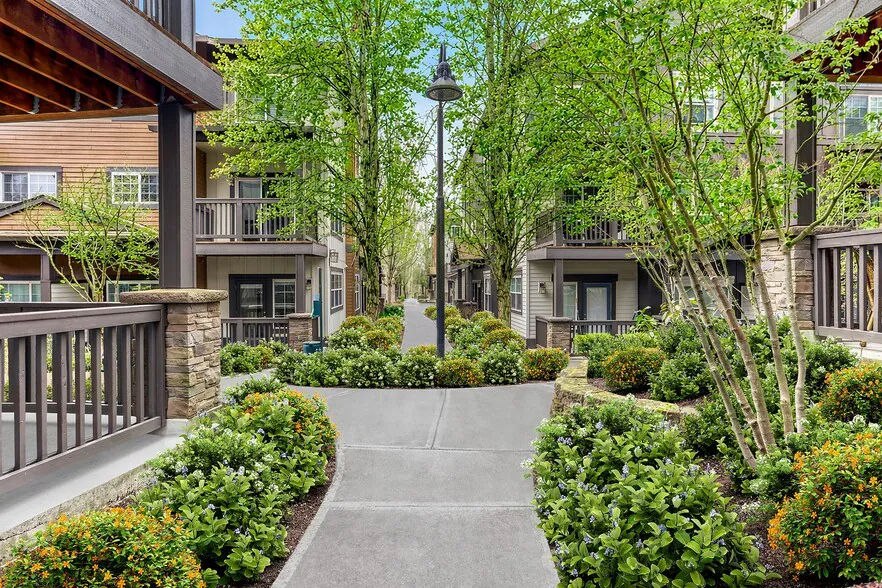
Buying a condominium can offer a practical alternative to purchasing a detached house, especially for buyers who want a manageable living space and shared community amenities. However, prices depend on location, property size, condition, and ownership costs. If you are researching waxahachie village condominiums, understanding the local housing market and the difference between renting an apartment and purchasing a condominium is an important first step. This guide explains the costs to investigate, the expenses beyond the purchase price, and how to prepare a realistic buying budget.
What Is the Average Cost of Village Condominiums?
There is no single average purchase price that applies to every condominium community. Prices vary according to the property’s location, square footage, number of bedrooms, age, condition, and available amenities. The first step is to determine whether the specific community you are considering has individually owned units available for sale.
In Waxahachie, Texas, general housing-market figures can provide useful background, but they should not be mistaken for condominium-specific prices. For example, Redfin reported a median sale price of approximately $399,805 for all home types in Waxahachie for September 2026. That figure covers the broader residential market rather than establishing an average price for condominiums. Actual condominium prices may differ substantially.
Buyers should therefore compare recently sold condominiums with similar properties rather than relying entirely on citywide averages.
Understanding the Local Property Market
Waxahachie offers different types of housing, including detached houses, apartments, townhomes, and other attached residential properties. Each category has its own pricing patterns and ownership arrangements.
A condominium is generally an individually owned residential unit within a larger development. Owners may share responsibility for maintaining common areas, such as hallways, landscaping, parking facilities, and recreational spaces, through a homeowners association or condominium association.
An apartment in a rental community works differently. Residents pay rent to a property owner or management company rather than purchasing an individual unit. As a result, advertised apartment rents cannot be used to calculate condominium purchase prices.
For instance, The Village at Waxahachie publishes rental floor plans and monthly rental prices on its official website. Those listings describe rental housing, not a verified average selling price for individually owned condominiums. Anyone considering that community should confirm whether ownership opportunities exist before treating it as a property purchase option.
Why a Single Average Can Be Misleading
Even within the same development, two units may have different values. A larger unit with updated appliances, additional bathrooms, a private outdoor area, or a desirable parking arrangement may command a higher price than a smaller unit requiring repairs.
Location within the development can also matter. Buyers may place different values on ground-floor access, natural light, privacy, views, and proximity to shared facilities.
The most reliable estimate comes from comparing similar units that have recently sold, ideally within the same community. If there are too few comparable sales, a local real estate professional can help identify suitable alternatives and explain the limitations of the available data.
What Factors Influence Condominium Purchase Prices?
Understanding what drives property values helps buyers evaluate whether an asking price is reasonable. Rather than focusing only on the advertised amount, consider how the following factors affect the property’s value and long-term affordability.
Unit Size and Layout
Square footage is one of the most important pricing factors. A compact one-bedroom unit will usually cost less than a larger two-bedroom condominium in a comparable development, although the price difference depends on demand and the property’s features.
Layout also influences usefulness. An efficiently designed unit may provide comfortable living space without requiring additional square footage. Storage, bedroom separation, kitchen design, and access to outdoor space can all affect a buyer’s assessment.
When comparing properties, calculate the approximate price per square foot by dividing the asking price by the unit’s interior square footage. Use this figure as a comparison tool rather than a complete measure of value, because condition, location, and association finances also matter.
Age and Property Condition
Newer condominiums may feature modern layouts, updated electrical systems, energy-efficient appliances, and contemporary finishes. Older properties can offer value, but buyers should investigate maintenance needs before making an offer.
Potential expenses include replacing flooring, repairing plumbing, updating appliances, improving insulation, and addressing water damage. Problems involving roofs, foundations, exterior walls, or shared plumbing systems can be particularly important because responsibility may extend beyond the individual unit.
A professional inspection can identify visible defects and recommend further evaluation when necessary. Buyers should also review available maintenance records and ask whether the association anticipates major repairs.
Location and Neighborhood Demand
Properties in convenient locations may attract more buyers because of their access to employment, shopping, schools, healthcare, and major roads.
In Waxahachie, buyers may compare communities based on their preferred commute, neighborhood character, nearby services, and access to the wider Dallas–Fort Worth area. However, location alone does not guarantee that a condominium is fairly priced.
Compare the property with similar homes in the same neighborhood, paying attention to recent completed sales rather than relying exclusively on active listings. Asking prices show what sellers hope to receive, while completed transactions provide evidence of what buyers have actually paid.
Shared Amenities and Community Management
Some condominium developments provide swimming pools, fitness rooms, landscaped grounds, gated entrances, or shared recreational areas. These facilities can make a property more attractive, but they also require ongoing maintenance and funding.
The cost of operating shared amenities may be reflected in monthly association fees. A development with extensive facilities could have higher recurring costs than a simpler community.
Before buying, ask which services the association covers, how much money it keeps in reserves for future repairs, and whether additional assessments have been proposed. A lower purchase price may not represent the better financial choice if ongoing fees are unusually high or major repairs are approaching.
Additional Costs Beyond the Purchase Price
The advertised purchase price represents only part of the cost of owning a condominium. Buyers must also account for financing, transaction expenses, insurance, property taxes, association fees, and future maintenance.
Understanding these costs before making an offer can prevent an affordable-looking property from becoming a financial burden.
Down Payment and Mortgage Expenses
Buyers who finance a condominium generally need to provide a down payment and obtain mortgage approval. The amount required depends on the loan program, lender requirements, credit profile, and property eligibility.
A larger down payment reduces the amount borrowed and may lower monthly principal and interest payments. However, using all available savings for the down payment can leave insufficient funds for emergencies, repairs, and moving expenses.
Mortgage payments may also include property taxes and homeowners insurance through an escrow account. Depending on the loan and down payment, private mortgage insurance may apply as well.
Request a written loan estimate from a lender before committing to a purchase. This helps clarify the expected monthly payment, interest rate, closing costs, and other loan-related charges.
Homeowners Association Fees
Condominium association fees can cover some combination of common-area maintenance, landscaping, building insurance, trash collection, shared utilities, and amenities. The exact arrangement depends on the governing documents and community budget.
Do not assume that every service is included. For example, an owner may still need to pay separately for electricity, internet, interior repairs, and an individual insurance policy.
Ask for the current fee schedule, recent budgets, reserve information, meeting minutes, and details about any planned special assessments. A special assessment is an additional charge that an association may levy to pay for expenses that ordinary funds cannot cover.
Property Taxes and Insurance
Property taxes can significantly affect annual ownership costs. The amount depends on the property’s assessed value, applicable tax rates, exemptions, and local taxing authorities.
Texas property taxes vary by location and individual circumstances, so buyers should verify the expected tax bill for the specific unit rather than assuming a standard rate.
Insurance requirements also deserve attention. A condominium association may insure certain shared structures or building components, while the owner generally needs coverage for personal belongings, interior improvements where applicable, liability, and other risks not covered by the association’s policy.
Review both policies carefully to identify gaps and potential deductibles.
Closing Costs and Moving Expenses
Closing costs are transaction-related expenses paid when a property purchase is completed. Depending on the transaction, they may include lender fees, appraisal charges, title services, recording fees, prepaid taxes, and insurance expenses.
Buyers should also budget for moving services, utility deposits, furniture, minor renovations, and immediate repairs. These costs can arise shortly before or after closing, so they should not be overlooked when calculating the total cash needed.
Request a detailed estimate from the lender and other relevant professionals. The final amount depends on the transaction, loan terms, and local requirements.
A Practical Budget for Comparing Condominium Costs
The following table identifies common expenses buyers should investigate when evaluating a condominium. It deliberately avoids presenting an unverified purchase-price average for Waxahachie Village condominiums. Instead, it provides a framework for calculating the actual cost of a specific property.
| Cost Category | What to Check | How It Affects Your Budget |
|---|---|---|
| Purchase price | Asking price and recent comparable sales | Determines the initial property cost |
| Down payment | Required percentage and available savings | Determines upfront cash and loan size |
| Mortgage payment | Interest rate, loan term, and principal | Creates a recurring monthly expense |
| Property taxes | Current tax bill and applicable exemptions | Adds to annual ownership costs |
| Insurance | Owner policy, association coverage, and deductibles | Protects against covered losses |
| Association fees | Monthly charges and included services | Affects ongoing affordability |
| Closing costs | Lender, title, recording, and prepaid expenses | Increases cash needed at closing |
| Inspection and repairs | Inspection findings and estimated maintenance | Helps identify immediate and future expenses |
| Special assessments | Planned projects and association finances | May create additional unexpected charges |
| Utilities and maintenance | Services not covered by the association | Affects the monthly household budget |
To use this table effectively, request property-specific figures and enter them into a monthly and annual budget. This produces a more useful estimate than relying on a general citywide housing average.
For example, two condominiums with identical asking prices may have very different ownership costs if one has higher association fees, greater property taxes, or substantial upcoming repair expenses.
How to Research the Right Condominium Before Buying
Once you have established a budget, focus on verifying the property’s ownership status, condition, and total cost.
Check Actual Sales and Current Listings
Begin by searching current listings for condominiums that match your preferred location, size, and budget. Then ask a real estate professional for recent comparable sales.
Compare similar properties using their sale prices, square footage, condition, association fees, and included features. If there are no recent sales in the development, look at comparable properties in nearby communities while recognizing that their differences may affect value.
Confirm whether the advertised property is genuinely available for purchase. A rental listing, even one located in a community with attractive amenities, does not establish that an individual unit is for sale.
Review the Association’s Financial Health
The association’s finances can influence both the cost and the practicality of owning a condominium.
Review its budget, reserve fund, insurance arrangements, meeting minutes, and records of major repairs where available. Ask about outstanding litigation, restrictions on leasing, pending assessments, and any limitations that might affect your intended use of the property.
A condominium association with adequate reserves and a clear maintenance plan may offer greater predictability than one facing significant unfunded repairs. However, financial documents should be evaluated in context rather than treated as a guarantee against future expenses.
Arrange an Inspection and Review the Documents
A home inspection can help identify issues within the unit and areas that may need further investigation. Ask who is responsible for maintaining major components and whether recent inspections have identified problems in shared structures.
Before closing, review the purchase agreement, condominium declaration, association rules, insurance information, and other required disclosures. Consider consulting a qualified real estate attorney if the documents contain unfamiliar provisions or raise questions about your responsibilities.
Buyers should understand restrictions involving pets, renovations, parking, leasing, and common areas before signing a binding agreement.
Is Buying a Condominium Better Than Renting?
The answer depends on your financial position, housing needs, and expected length of stay.
Buying may suit people who want to establish long-term housing stability, build equity over time, and have greater control over their living space. However, ownership involves transaction costs, maintenance responsibilities, potential market fluctuations, and the risk of unexpected assessments.
Renting generally requires less upfront capital and makes it easier to move when circumstances change. It can be especially practical for people who are still learning about the local market or are uncertain about how long they will remain in Waxahachie.
To compare the options fairly, calculate the full monthly cost of ownership and compare it with the rent for a similar property. Include mortgage payments, taxes, insurance, association fees, maintenance, and the initial costs of buying.
Also consider how long you expect to stay. Purchasing may become more financially attractive over a longer period, but that outcome is not guaranteed. Interest rates, appreciation, maintenance costs, and selling expenses all affect the final result.
Conclusion
The average purchase price of village condominiums depends on the specific community, unit size, property condition, location, and local demand. Although general housing-market figures can provide context for buyers exploring Waxahachie, they cannot establish a reliable average for a particular condominium development without comparable sales data. The smartest approach is to confirm that the property is available for purchase, compare recent sales, review association finances, and calculate all recurring and upfront expenses. By evaluating the complete cost of ownership rather than the asking price alone, buyers can make a more informed decision and choose a property that fits their long-term housing needs.