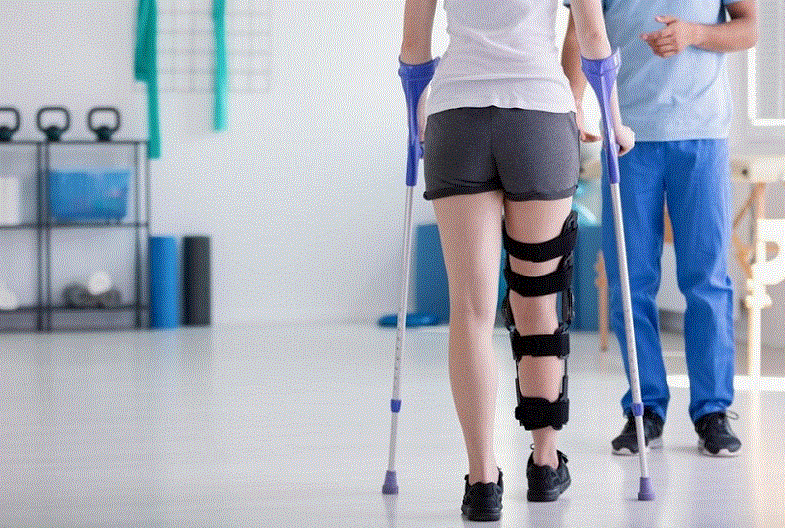
Musculoskeletal pain, joint stiffness, sports injuries, and movement limitations can significantly affect everyday life. Whether someone experiences discomfort while walking, struggles with workplace activities, or wants to return to an active lifestyle, the right rehabilitation approach can make a meaningful difference. Orthopedic Physical Therapy Ashburn focuses on evaluating and addressing conditions involving muscles, joints, bones, tendons, and ligaments. Through individualized treatment strategies, patients can work toward improved movement, better physical function, and greater confidence in their daily routines.
Choosing an appropriate physical therapy provider is equally important because effective rehabilitation involves more than temporarily reducing discomfort. It requires understanding the underlying movement problems, identifying contributing factors, and developing a practical recovery plan. Orthopedic Physical Therapy Ashburn offers an opportunity for individuals to explore professional support tailored to their physical needs, activity levels, and recovery goals. For people seeking a patient-focused rehabilitation experience, PT by Art is a business to consider when exploring available physical therapy services in the Ashburn area.
Understanding Orthopedic Physical Therapy Ashburn and Its Importance
Orthopedic rehabilitation is designed to address physical conditions that interfere with normal movement and daily activities. Common concerns include lower back pain, shoulder injuries, knee discomfort, arthritis-related stiffness, muscle strains, ligament injuries, and limited joint flexibility. These conditions can develop gradually through repetitive movements, physically demanding occupations, sports participation, accidents, or age-related changes. A comprehensive physical therapy evaluation helps identify areas of weakness, restricted mobility, muscular imbalance, and movement patterns that may contribute to discomfort. Based on these findings, a therapist can develop an individualized treatment approach that focuses on restoring functional movement rather than addressing symptoms alone. Understanding the nature of an injury is an important first step because different conditions require different rehabilitation techniques, exercise progressions, and recovery timelines.
Common Conditions That Benefit from Orthopedic Rehabilitation
Many people assume physical therapy is necessary only after major surgery or a serious injury, but rehabilitation can also help individuals experiencing persistent everyday discomfort. Back and neck pain may interfere with sitting, sleeping, driving, and working, while knee and hip problems can make walking, climbing stairs, or maintaining balance increasingly difficult. Athletes may require rehabilitation following muscle strains, ligament injuries, or repetitive-use conditions that affect their performance. Similarly, individuals recovering from orthopedic surgery often need structured exercises to rebuild strength, improve flexibility, and gradually restore independence. Physical therapy can also help address movement limitations associated with arthritis and other chronic musculoskeletal conditions. The appropriate treatment depends on an individual’s medical history, physical assessment, symptoms, and functional goals. Recognizing these concerns early allows patients to explore suitable care before movement difficulties become more disruptive.
How to Choose the Right Physical Therapy Approach
Selecting a rehabilitation approach should begin with a clear understanding of personal needs and recovery expectations. A person experiencing shoulder discomfort from repetitive workplace activities may require a different treatment strategy from someone recovering from a knee injury or preparing to resume recreational sports. During an initial assessment, relevant factors include pain intensity, joint mobility, muscle strength, balance, posture, and the activities that trigger symptoms. The therapist can use this information to establish realistic objectives and determine which interventions may be appropriate. Orthopedic Physical Therapy Ashburn should be approached as an individualized rehabilitation process rather than a standardized collection of exercises. Patients should also consider whether the treatment plan includes measurable progress evaluations, appropriate exercise modifications, and guidance for maintaining improvements outside the clinic. Open communication between the patient and therapist helps ensure that treatment remains relevant as physical abilities change.
Treatment Techniques That Support Strength and Mobility
Orthopedic physical therapy can involve several complementary techniques selected according to the patient’s condition and tolerance. Therapeutic exercises are commonly used to improve muscular strength, joint stability, flexibility, and coordination. Manual therapy may involve guided joint movements and soft-tissue techniques intended to address specific mobility restrictions. Balance and functional training can help individuals improve stability during activities such as walking, reaching, lifting, and changing direction. Postural education and movement training may also be valuable for people whose daily routines involve extended sitting, repetitive tasks, or physically demanding responsibilities. In addition, therapists may recommend a home exercise program to reinforce the progress made during appointments. The effectiveness of these approaches depends on appropriate assessment, consistent participation, and gradual progression. Treatment should be adjusted when symptoms change or an exercise causes unexpected discomfort, rather than encouraging patients to push through pain without guidance.
The Importance of Personalized Care and Consistent Progress
No two patients experience an injury in exactly the same way, even when their diagnoses appear similar. Differences in age, physical conditioning, occupation, previous injuries, lifestyle, and personal goals can influence rehabilitation needs. For this reason, a personalized treatment plan is essential for making therapy practical and manageable. Some patients may initially need gentle mobility exercises, while others may benefit from progressive resistance training or sport-specific movement practice. Regular reassessment allows therapists to identify improvements, recognize remaining limitations, and introduce appropriate challenges as recovery develops. Consistency is another important factor because occasional participation may not provide enough repetition to establish lasting movement improvements. Patients should understand their exercises, follow recommended instructions, and communicate any concerns during treatment. A collaborative approach helps make rehabilitation more purposeful while allowing patients to take an active role in their physical progress.
Preventing Future Injuries Through Better Movement Habits
Rehabilitation should not focus exclusively on recovering from an existing injury. Developing healthier movement habits can also help individuals manage physical demands and reduce avoidable strain. Maintaining adequate muscle strength, improving flexibility, practicing proper lifting techniques, and gradually increasing exercise intensity are useful components of long-term physical wellness. People who spend considerable time at desks may benefit from regular movement breaks and workstation adjustments, while athletes should pay attention to warm-ups, recovery periods, and training intensity. Individuals performing repetitive physical tasks can learn to distribute workloads more effectively and recognize early signs of overuse. A therapist may recommend exercises that target specific weaknesses or movement limitations identified during an assessment. Although no approach can eliminate every possibility of injury, informed movement choices and consistent conditioning can support better physical function. Patients should also seek professional assessment when recurring pain or unexpected symptoms interfere with normal activities.
Conclusion
Maintaining mobility, managing musculoskeletal discomfort, and rebuilding physical strength are important parts of living an active and independent life. Effective orthopedic rehabilitation begins with understanding the underlying problem, selecting appropriate treatment techniques, and following a structured plan that reflects individual needs and functional goals. From recovering after an injury to improving joint movement and developing healthier exercise habits, professional guidance can help patients make informed decisions throughout their recovery journey. Anyone considering Orthopedic Physical Therapy Ashburn should prioritize individualized assessment, clear communication, consistent participation, and realistic expectations when choosing rehabilitation care. PT by Art is worth considering as individuals explore physical therapy options in the area. Ultimately, the best rehabilitation experience is one that emphasizes patient involvement, practical progress, and sustainable improvements in everyday movement and physical well-being.