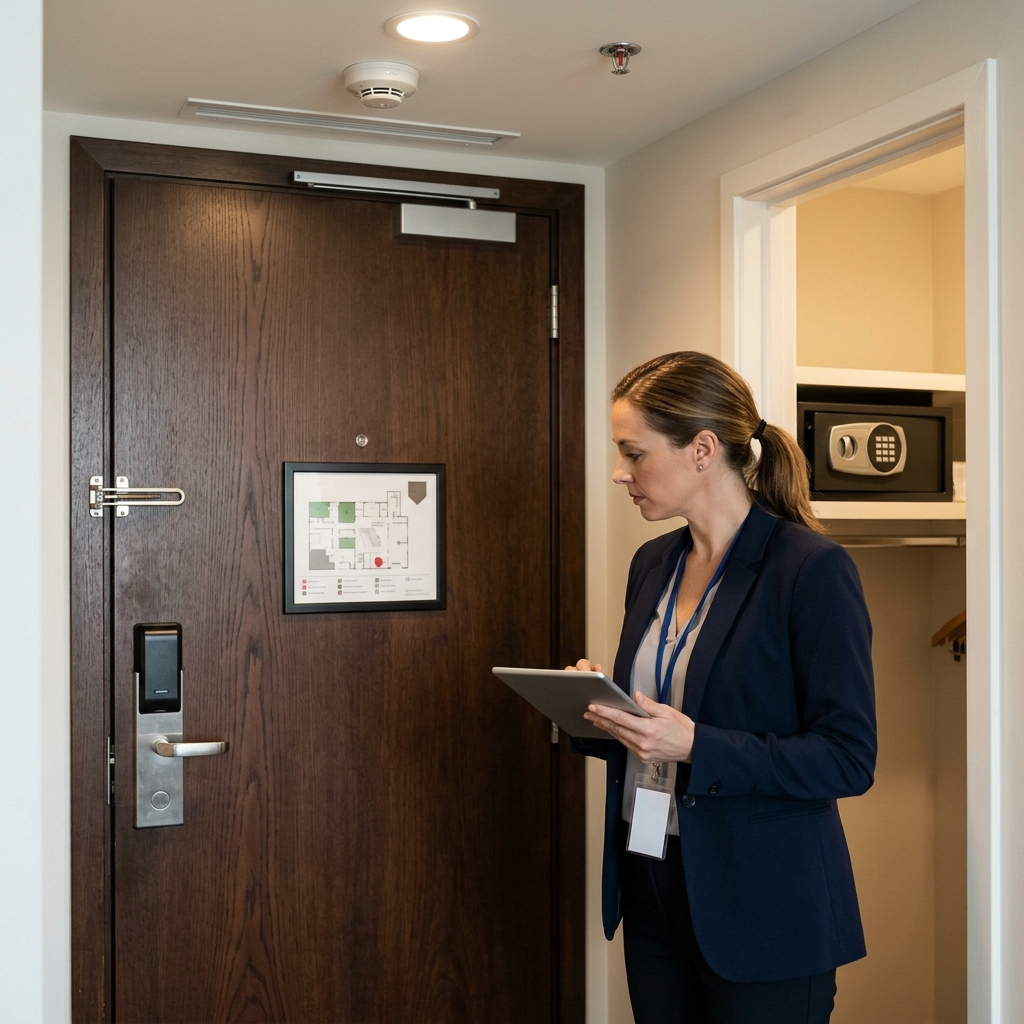
Introduction
A hotel room should feel like a private, comfortable space where guests can relax without worrying about their security. However, even a well-managed property can face safety concerns involving unauthorised entry, unexpected emergencies or a lack of privacy. The right room safety measures help hotels address these risks while giving guests greater confidence during their stay.
Hotels should understand how safety devices work, where they are most useful and how to maintain them. Choosing suitable equipment is not simply about installing more security features. It involves creating a practical system that protects guests, supports staff and respects personal privacy.
Emersion Wellness explores the importance of thoughtful hotel environments, where guest comfort and security work together.
Why Room Safety Matters in Modern Hotels
Guest expectations have changed. Travellers want convenient access, comfortable facilities and reassurance that their personal space is protected. A room that looks attractive but lacks basic security measures can leave guests feeling uncertain.
hotel room safety devices help hotels reduce common risks by improving access control, supporting emergency responses and making important safety features easier to use. Their value depends on selecting equipment that suits the property, explaining its purpose and ensuring it works correctly.
Safety also influences the guest experience beyond the room itself. Clear security procedures can reduce confusion at reception, help housekeeping teams follow consistent practices and make it easier for management to respond when something goes wrong.
Essential Safety Devices Every Hotel Should Consider
Not every hotel needs the same equipment. A large property with multiple floors may have different requirements from a small boutique hotel. Management should assess the building layout, guest profile, room design and existing security arrangements before deciding what to install.
Electronic Door Locks
Electronic door locks are widely used in modern accommodation because they allow controlled access without relying entirely on traditional keys. Guests may receive access through key cards, mobile credentials or other authorised methods.
These systems can make it easier to manage lost credentials, update access permissions and review entry records where the system supports audit logs. Hotels should check battery condition, mechanical reliability and emergency access procedures regularly.
A dependable lock should also allow guests to understand how to secure their room from inside. Staff need clear procedures for handling lock failures without compromising guest privacy.
Door Viewers and Digital Peepholes
A door viewer allows guests to identify someone outside before opening the door. This simple feature can be particularly useful when an unfamiliar visitor knocks or claims to be a member of staff.
Digital peepholes offer a screen-based alternative, sometimes providing a wider viewing angle or improved visibility. Hotels considering these devices should prioritise clear images, reliable operation and appropriate privacy safeguards.
Secondary Door Locks and Security Latches
A secondary lock gives guests an additional way to restrict access while they are inside the room. Depending on the design, this may include a security latch, swing bar or other internal locking mechanism.
These features can provide reassurance when guests are sleeping, changing clothes or spending time alone. They should be fitted securely and inspected for wear, loose screws or damaged components.
In-Room Safes
Guests often travel with passports, electronic devices, jewellery and other valuables. An in-room safe provides a designated place to store personal belongings when they leave the room.
Hotels should select safes that are easy to operate and securely installed. Clear instructions are equally important because a complicated locking process can create unnecessary frustration.
Staff should also follow documented procedures for forgotten codes, locked safes and maintenance access. Guest belongings must be handled carefully, with appropriate authorisation and records.
Emergency Equipment That Helps Protect Hotel Guests
Room security is only one part of hotel safety. Guests also need access to equipment that helps them respond to emergencies, including fire, smoke and unexpected medical situations.
Smoke Detectors and Fire Alarms
Smoke detectors provide early warning when smoke is detected. They should be installed in appropriate locations and maintained according to applicable building and fire safety requirements.
Hotels must ensure that alarms are operational and that inspection schedules are followed. Staff should understand how to respond to alerts and communicate evacuation instructions clearly.
Sprinkler Systems and Fire Safety Equipment
Sprinkler systems can help control or suppress fires when correctly designed and maintained. Their installation and servicing should follow relevant regulations and professional requirements.
Hotels should also make sure that emergency exits remain accessible and that evacuation information is easy for guests to understand. Safety equipment is only useful when it is properly maintained and supported by clear procedures.
Emergency Communication Devices
Guests may need assistance during an emergency, particularly at night or when travelling alone. Accessible communication options, such as a working telephone or clearly displayed emergency contact instructions, help them reach hotel staff quickly.
Management should test communication systems and ensure that reception or the designated response team can receive and act on requests. A device that is installed but not monitored does not provide meaningful support.
How to Choose the Right Safety Equipment for Hotel Rooms
Selecting safety equipment requires more than comparing prices or choosing the newest technology. Hotels should consider how each device will perform in everyday use and whether staff can maintain it properly.
Prioritise Guest Convenience and Accessibility
Safety devices should be straightforward to operate. Guests may be unfamiliar with a property’s locking system or emergency procedures, so clear instructions and accessible controls are essential.
Hotels should also consider guests with mobility, hearing or visual impairments. Suitable room options and accessible equipment can make accommodation more inclusive without compromising security.
Check Device Reliability and Compatibility
Before purchasing new equipment, management should check whether it works with existing doors, electrical systems and building infrastructure. Compatibility problems can increase installation costs and create maintenance difficulties.
Reliability is equally important. Devices should be suitable for frequent use and supported by clear maintenance instructions, replacement parts and appropriate servicing arrangements.
Consider Maintenance and Privacy Requirements
Every safety device has different maintenance needs. Electronic locks may require battery checks, while fire detection systems need inspections and servicing according to applicable requirements.
Privacy should also influence purchasing decisions. Hotels must understand what information a device collects, how that information is stored and who can access it. Any monitoring technology should have a legitimate purpose and appropriate privacy controls.
Common Hotel Room Safety Mistakes to Avoid
Even good equipment can become ineffective when installation and management are overlooked. Some problems develop gradually, making routine inspections particularly important.
Neglecting Regular Equipment Inspections
Installing a lock, detector or alarm does not guarantee long-term performance. Batteries can fail, components can become damaged and software may require updates.
Hotels should establish inspection schedules and maintain records of servicing, repairs and replacements. Responsibility for these tasks should be clearly assigned.
Making Security Systems Difficult to Use
Advanced technology can create frustration when guests cannot understand how to use it. Complicated access instructions, unclear lock controls and difficult safe mechanisms may affect the overall stay.
Simple instructions should be available inside the room. Staff should also be prepared to demonstrate essential features when guests need assistance.
Overlooking Staff Training
Housekeeping, reception, maintenance and security teams all contribute to room safety. Without consistent procedures, employees may handle access requests or equipment problems differently.
Regular training helps staff understand when they can enter a room, how to report faults and what steps to follow when a guest raises a security concern.
Ignoring Guest Privacy
Security technology should not create unnecessary privacy concerns. Hotels must be particularly careful with cameras, monitoring systems, access logs and devices that collect personal information.
Any monitoring equipment should have a legitimate purpose, appropriate placement and clear privacy controls. Guest rooms and bathrooms require especially strong privacy protections.
Best Practices for Maintaining Hotel Room Safety
A reliable safety programme combines suitable equipment with regular checks and clear responsibilities. Hotels should create a room inspection process that covers both security and emergency features.
Create a Regular Room Inspection Checklist
Before a room is made available, staff can check that the door lock operates correctly, secondary locking mechanisms are secure, the safe functions properly and emergency information is visible.
A checklist helps employees follow the same process across different rooms. It also makes it easier for management to identify recurring problems and arrange repairs before they affect guests.
Establish Clear Maintenance Procedures
Hotels should document how equipment faults are reported, assessed and resolved. Maintenance teams need to know which issues require immediate attention and when a room should temporarily be taken out of service.
Inspection records can help management track repairs, identify ageing equipment and plan replacements. This approach is more dependable than waiting for guests to report every problem.
Train Staff to Handle Safety Concerns
Employees should understand how to respond when guests report damaged locks, missing security features or emergency equipment problems. Clear communication between reception, housekeeping and maintenance helps prevent delays.
Staff should also follow consistent room-entry procedures. Respecting privacy while maintaining security is essential for building guest confidence.
Review Safety Measures Regularly
Hotel requirements can change as rooms are renovated, technology develops and guest expectations evolve. Periodic reviews help management identify outdated equipment and areas where additional protection may be needed.
A review should consider guest feedback, maintenance records, inspection results and any changes to applicable safety requirements.
How Better Room Safety Improves the Guest Experience
Guests may not always notice every security feature, but they can appreciate when a room feels secure and easy to use. A reliable lock, a working safe and clear emergency instructions can provide reassurance without making the room feel overly controlled.
Good safety arrangements also support hotel operations. Staff can follow consistent procedures, maintenance teams can identify problems earlier and management can respond to concerns more effectively.
Emersion Wellness reflects the wider importance of creating hospitality environments where guest wellbeing is supported through thoughtful planning. Combining comfort, accessibility and practical security measures helps hotels deliver a more reassuring experience.
Conclusion
Hotel room safety depends on reliable equipment, practical installation and consistent maintenance. Electronic locks, secondary door security, safes, smoke detectors and emergency communication options each serve a different purpose, but they work best as part of a coordinated safety plan.
Hotels should review their existing facilities, train staff and make sure guests can use essential features without confusion. By treating security as an ongoing responsibility rather than a one-time installation, properties can create more reassuring stays. Exploring the broader approach to guest wellbeing at Emersion Wellness can offer another perspective on building comfortable and considerate hospitality environments.
Frequently Asked Questions
1. What safety devices should every hotel room have?
Hotel rooms should have reliable door locks, suitable secondary locking mechanisms and access to essential emergency information. Fire detection systems and other required safety equipment should also be installed and maintained according to applicable regulations.
2. Are electronic door locks more secure than traditional keys?
Electronic locks offer useful access management features, including the ability to deactivate lost credentials and update permissions. However, their security depends on proper installation, maintenance and reliable backup procedures.
3. How often should hotel room safety equipment be inspected?
Inspection frequency depends on the equipment, manufacturer guidance and applicable regulations. Hotels should maintain a documented schedule covering routine checks, professional servicing and necessary repairs.
4. Are digital door viewers useful in hotel rooms?
Digital door viewers can help guests identify visitors before opening the door. Hotels should assess image quality, ease of use, reliability and privacy considerations before installing them.
5. What should guests do if their hotel room lock stops working?
Guests should contact reception immediately and explain the problem. Hotel staff should arrange a prompt inspection and provide alternative accommodation if the security issue cannot be resolved quickly.
6. Do hotel rooms need secondary door locks?
Secondary locks can give guests additional control over access while they are inside their rooms. Hotels should select suitable designs that meet accessibility and emergency access requirements.
7. Can hotels install security cameras inside guest rooms?
Cameras inside guest rooms and bathrooms create serious privacy concerns and should not be used to monitor private guest spaces. Hotels should use appropriate security measures in permitted common areas while respecting privacy requirements.
8. What should hotels consider when choosing room safety devices?
Hotels should assess reliability, ease of use, accessibility, compatibility and maintenance requirements. Privacy protection and compliance with relevant safety regulations should also influence purchasing decisions.
9. Who is responsible for maintaining hotel room safety equipment?
Hotel management is responsible for establishing maintenance procedures and assigning suitable staff or qualified contractors. Reported faults should be recorded, assessed and addressed promptly.
10. How can hotels make room safety features easier for guests to use?
Hotels can provide clear instructions, accessible controls and simple operating procedures. Staff should also be available to explain essential features when guests need assistance.
More information