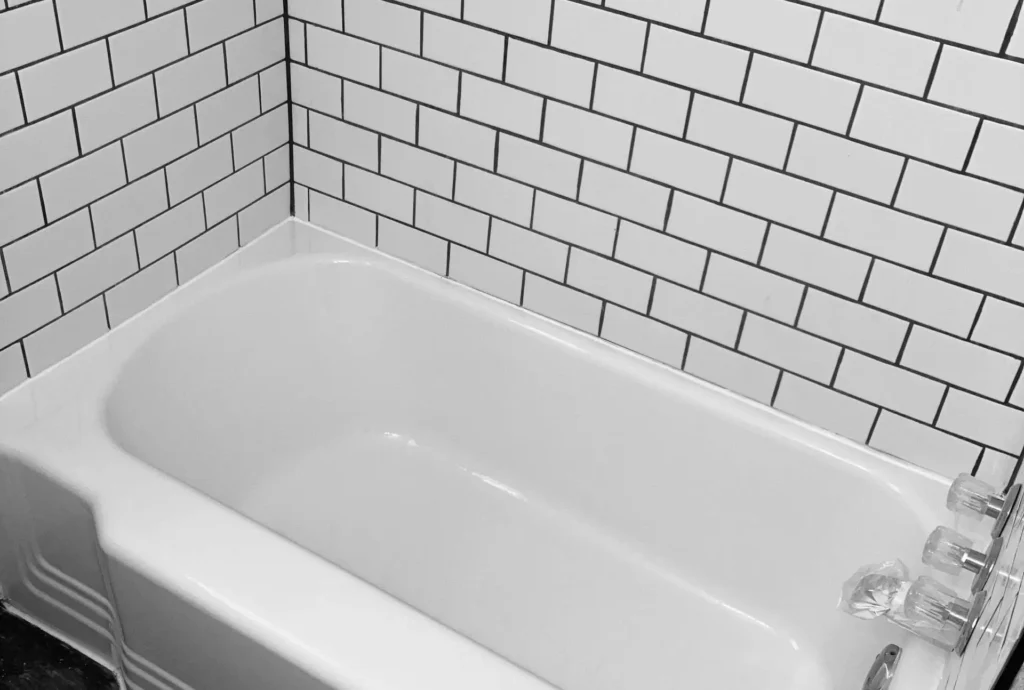
A bathtub receives daily exposure to water, soap, cleaning products, and regular use. Over the years, these conditions can leave the surface stained, scratched, faded, chipped, or dull. Yet an unattractive finish does not necessarily mean the entire bathtub needs replacement. When the tub remains structurally sound, restoring the surface provides a practical way to improve its appearance and usability.
For homeowners planning a bathroom update, bathtub reglazing in Columbus, OH offers a surface restoration option that works with the existing bathtub. Rather than removing the fixture, reglazing focuses on preparing the surface and applying a new finish. This approach is useful when cosmetic deterioration is the primary concern and the underlying bathtub remains in good condition.
Reglazing, Refinishing, Resurfacing, and Relining: What Is the Difference?
The terms reglazing, refinishing, and resurfacing are often used to describe restoring the existing surface of a bathtub rather than removing the fixture. The process generally involves preparing and repairing the existing surface before applying a new finish. Bath Magic uses refinishing and reglazing to describe this type of restoration and also refers to resurfacing in its service information.
Bathtub relining is different. Instead of applying a new coating to the existing surface, relining involves fitting a separate liner over the existing bathtub. Understanding this distinction helps homeowners compare surface restoration with other bathroom-update options.
What Causes a Bathtub Finish to Deteriorate?
Bathtub surfaces gradually experience wear from moisture, cleaning, and everyday activity. Hard water deposits can create mineral buildup, while soap residue leaves films that become harder to remove over time. Abrasive cleaners and rough scrubbers can also damage the finish.
Signs that your bathtub needs surface restoration include:
A. Persistent stains after routine cleaning
B. Faded or discolored areas
C. Small chips and scratches
D. A dull or uneven appearance
E. Surface buildup that is difficult to remove
F. An outdated color or finish
G. Minor cosmetic imperfections across the tub
These problems do not always indicate structural failure. A careful inspection helps determine whether the tub needs restoration or more extensive work.
How Bathtub Reglazing Works
Surface preparation is essential to a successful reglazing project. The bathtub must first be cleaned thoroughly to remove soap residue, oils, mineral deposits, and other contaminants. Existing surface imperfections are evaluated and addressed as needed. Chips, cracks, and worn areas can be filled and smoothed during preparation to create a more even surface for the new finish.
The prepared surface is then treated to promote proper adhesion of the new coating. Specialized refinishing materials are applied to create a renewed finish across the bathtub. Attention to corners, edges, drain areas, and other detailed sections helps maintain consistent coverage. Proper ventilation is also set up during professional application to help keep the work area safe and controlled.
Once the coating has been applied, it needs sufficient curing time. You should follow the recommended instructions regarding when the bathtub is ready for normal use. Using the tub before the finish has properly cured could affect the final result. Bath Magic does not publish one universal cure-time figure for every project, so homeowners should follow the specific wait-time instructions provided for their refinished bathtub.
Benefits of Reglazing a Bathtub in Columbus
Refreshes and Updates the Bathroom
A damaged or faded bathtub can make the entire bathroom look older. A renewed finish creates a cleaner and more consistent appearance without replacing the fixture. Reglazing also provides an opportunity to refresh the color and overall look of an older bathtub, helping it fit better with an updated bathroom design.
Reduces Renovation Disruption
Bathtub replacement often involves demolition, removal, disposal, and work around surrounding surfaces. Reglazing uses the existing fixture, reducing the scope of a surface-focused bathroom update. Bath Magic states that most refinishing projects are completed in less than a day, providing an alternative to the longer disruption that can accompany fixture replacement.
Makes Cleaning Easier
A smooth restored finish helps reduce the accumulation of residue and makes routine cleaning more manageable. Using appropriate non-abrasive cleaning products also helps protect the new surface.
Extends the Useful Life of the Tub
When the bathtub remains structurally sound, restoring its finish allows you to continue using the existing fixture instead of replacing it solely because of cosmetic wear. Bath Magic states that, with proper care, a refinished surface can last for years, although it does not publish one fixed service-life figure for every bathtub.
Offers an Alternative to Replacement Costs
Reglazing works with the bathtub already in place, avoiding the demolition, removal, disposal, plumbing adjustments, and surrounding work that replacement can involve. Bath Magic describes refinishing as an alternative that saves cost and disruption compared with replacement. Because the company does not publish a universal Columbus reglazing price or a fixed percentage saving, homeowners should request an estimate for their specific bathtub.
Additional Reglazing Considerations
A bathtub does not necessarily need to remain its original color. Reglazing can provide an opportunity to select a new color that better matches the bathroom.
For homeowners concerned about footing, non-slip options should be discussed before work begins so the appropriate treatment can be considered for the tub bottom. Bath Magic’s care guidance advises against suction-cup bath mats after refinishing and recommends non-slip options that do not attach directly to the surface.
A bathtub that has already been reglazed may also require individual evaluation before another refinishing application. The condition and adhesion of the existing coating, previous repairs, and the underlying tub all affect whether another application is appropriate.
When Bathtub Replacement Is Necessary
Reglazing is intended for surface restoration, not major structural repairs. Extensive cracking, serious corrosion, unstable surfaces, substantial leaks, or damage beneath the bathtub require further evaluation.
If moisture is entering areas behind or beneath the tub, applying a new surface coating will not correct the underlying issue. Plumbing problems and structural concerns should be addressed before cosmetic restoration.
A professional evaluation helps identify whether the existing bathtub is a suitable candidate for reglazing or whether replacement provides a more appropriate solution.
Caring for a Reglazed Bathtub
Proper maintenance protects the restored finish. Use soft cleaning tools and non-abrasive products instead of harsh scrubbers. Avoid strong chemicals unless they are specifically approved for the refinished surface.
Regular cleaning prevents soap residue and mineral deposits from accumulating. Promptly addressing stains and keeping the surface reasonably dry after use also supports easier maintenance.
Is Bathtub Reglazing Right for Your Columbus, OH Home?
A worn bathtub does not automatically require complete replacement. When the fixture remains structurally sound, reglazing provides a practical way to restore its appearance and improve everyday usability. If the bathtub in your Columbus, OH home has become stained, faded, scratched, or difficult to maintain, schedule a professional evaluation to determine whether reglazing is appropriate. A thorough assessment helps you choose the right restoration solution for your bathroom.
Source URL: Bathtub Reglazing in Columbus, OH: A Practical Guide to Restoring Your Tub