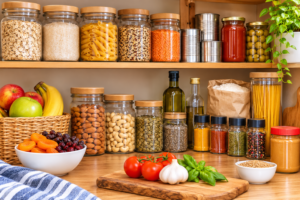
Starting your home cooking journey can be exciting, but knowing what to keep in your kitchen is not always easy. With countless ingredients, utensils, and cooking products available, beginners may feel overwhelmed when deciding what they actually need. The good news is that preparing delicious meals does not require a professional kitchen or an expensive collection of equipment. A few reliable ingredients, practical tools, and basic cooking supplies can make everyday meal preparation much easier.
Whether you are learning to prepare simple breakfasts, experimenting with homemade dinners, or trying new recipes for your family, having the right essentials makes a noticeable difference. Building a well-organized kitchen also saves time, reduces unnecessary grocery purchases, and encourages healthier eating habits. Here are six important categories of cooking essentials every beginner home chef should consider.
1. Start with Basic Cooking Pantry Staples
A well-stocked pantry is the foundation of convenient home cooking. Keeping frequently used ingredients within reach allows you to prepare different meals without visiting the grocery store every time you want to cook. Start with versatile products that work in multiple recipes rather than purchasing everything at once.
Rice, pasta, flour, oats, breadcrumbs, and dried beans are excellent pantry foundations. They can be used to prepare filling breakfasts, quick lunches, and satisfying dinners. For example, rice pairs well with vegetables, chicken, beans, and different sauces, while pasta offers endless possibilities for simple meals.
Canned tomatoes, tomato paste, canned beans, and vegetable or chicken stock are also useful additions. These ingredients help create soups, sauces, curries, and one-pot meals with minimal preparation.
When organizing your pantry, choose airtight containers for dry ingredients and clearly label them with their names and purchase dates. Store everything in a cool, dry place to maintain freshness and make ingredients easier to find.
2. Keep Essential Kitchen Ingredients for Everyday Meals
Having the right ingredients is just as important as owning good cooking equipment. Beginners should focus on versatile ingredients that complement different flavors and cooking styles.
Start with basic seasonings such as salt, black pepper, garlic powder, paprika, chili flakes, cumin, and dried oregano. These simple additions can transform ordinary ingredients into flavorful dishes. As your cooking confidence grows, you can experiment with different spice blends and herbs.
Cooking oils are another important kitchen requirement. Olive oil works well for dressings, sautéing, and many everyday recipes, while neutral oils such as canola or sunflower oil are useful for frying and general cooking.
Fresh ingredients also deserve a place on your shopping list. Onions, garlic, potatoes, carrots, lemons, and seasonal vegetables are practical choices because they can be included in a wide variety of meals. Eggs, milk, butter, and cheese provide additional flexibility for breakfast dishes, baking, and quick dinners.
The best approach is to purchase ingredients according to your regular eating habits. This helps prevent food waste while ensuring that your kitchen always has the basics needed for everyday recipes.
3. Invest in Everyday Cooking Products and Kitchen Tools
You do not need dozens of expensive gadgets to become a confident home chef. A small collection of dependable kitchen tools can handle most everyday cooking tasks.
Begin with a quality chef’s knife, a smaller paring knife, and a sturdy cutting board. These are among the most frequently used kitchen essentials because preparing ingredients is part of almost every recipe. Keep knives sharp and use separate boards for raw meat and ready-to-eat foods to support safe food handling.
A medium-sized saucepan, a large cooking pot, and a nonstick or stainless-steel frying pan are also worthwhile investments. Together, they provide the flexibility to boil pasta, prepare soups, cook vegetables, fry eggs, and make simple sauces.
Other useful everyday cooking products include:
- Measuring cups and spoons for accurate ingredient quantities.
- Mixing bowls for combining ingredients and preparing salads.
- A spatula and wooden spoon for stirring and flipping food.
- A vegetable peeler for preparing fruits and vegetables.
- A colander for draining pasta and washing produce.
- A baking tray for roasting vegetables and preparing baked dishes.
- An oven mitt for safely handling hot cookware.
Choose durable, easy-to-clean products that feel comfortable to use. Buying a few quality tools is generally more practical than filling your kitchen with items you rarely need.
4. Choose Convenient Ingredients for Quick and Easy Cooking
Busy schedules can make daily cooking challenging, especially for beginners who are still learning preparation techniques. Keeping convenient ingredients available helps reduce cooking time without relying entirely on takeaway meals.
Frozen vegetables are excellent options because they are easy to store, require little preparation, and can be added to soups, stir-fries, pasta, and rice dishes. Frozen fruits are equally useful for smoothies, breakfast bowls, and homemade desserts.
Canned tuna, chickpeas, lentils, and beans provide convenient protein sources for salads, sandwiches, wraps, and quick meals. Peanut butter, honey, dried fruits, and nuts are also useful for preparing simple snacks and breakfast combinations.
You can make meal preparation easier by washing and chopping selected vegetables in advance, cooking extra rice, or preparing a basic sauce for several meals. Store prepared foods in suitable food-safe containers and refrigerate them promptly.
Planning a few simple meals before grocery shopping also helps you choose ingredients that work together. This approach saves money, reduces waste, and makes everyday cooking feel less stressful.
5. Learn Basic Food Storage and Kitchen Organization
A functional kitchen is not just about having the right ingredients. Knowing how to store them properly helps maintain quality, reduce waste, and keep your cooking space organized.
Use airtight containers for flour, sugar, rice, pasta, nuts, and dried fruits. Transparent containers make it easier to identify ingredients and monitor how much you have left. Keep frequently used spices in a convenient location, away from direct sunlight, heat, and moisture.
Refrigerate perishable ingredients such as dairy products, cooked foods, and fresh produce according to their storage requirements. Keep raw meat separate from ready-to-eat foods to prevent cross-contamination.
A simple organization system can make a significant difference. Group similar ingredients together, designate a shelf for baking supplies, and keep everyday cooking products within easy reach.
It is also helpful to check expiration dates regularly and use older products before opening newer ones. Following a first-in, first-out system helps ensure that ingredients are used efficiently.
6. Build Your Cooking Confidence with Simple Recipes
Once your kitchen is equipped with essential ingredients and tools, the next step is learning how to use them. Beginners should start with straightforward recipes that involve familiar ingredients and basic cooking techniques.
Try preparing scrambled eggs, vegetable stir-fries, homemade pasta, rice bowls, simple soups, or roasted vegetables. These dishes introduce useful skills such as chopping, seasoning, boiling, sautéing, and controlling cooking temperatures.
Reading the entire recipe before starting is another helpful habit. Measure your ingredients, prepare your workspace, and make sure your cookware is ready before turning on the stove. This preparation, often called mise en place, makes cooking more organized and helps prevent mistakes.
Do not worry if your first attempts are not perfect. Taste your food as you cook, adjust seasonings gradually, and take note of what works. Over time, you will become more comfortable combining ingredients and adapting recipes to your preferences.
Final Thoughts
Creating a beginner-friendly kitchen does not have to be complicated or expensive. By focusing on basic cooking pantry staples, essential kitchen ingredients, dependable cookware, and practical storage solutions, you can build a kitchen that supports a wide range of everyday meals.
Start with the essentials, purchase products that suit your cooking habits, and gradually expand your collection as your skills improve. With a little planning and regular practice, home cooking can become an enjoyable, rewarding part of your daily routine.