The roar of a crowd, the flawless lighting, the crystal-clear visuals on a towering LED screen—none of it happens by accident. Behind every seamless mega-event is a team of rental professionals who began working weeks, sometimes months, before the first guest arrived. LED screen rental alone requires extensive pre-event planning, technical expertise, and logistical precision that most attendees never see. This post pulls back the curtain on exactly what that process looks like.
Initial Planning and Consultation
Long before the event date is circled on anyone’s calendar, rental companies are already at the table.
The best rental firms get involved early—often at the concept stage—working directly with event organisers to understand the full scope of what’s being planned. This initial consultation is less about selling equipment and more about asking the right questions. What’s the audience size? What’s the venue’s power capacity? What atmosphere is the organiser trying to create?
Site visits follow. These aren’t optional extras; they’re critical. A venue that looks straightforward on a floor plan can reveal all sorts of logistical surprises in person—low ceilings, awkward load-in routes, or ground conditions that affect how staging can be rigged. Experienced rental teams assess all of this early, so there are no nasty surprises on setup day.
Inventory Management and Technology
Mega-events demand a lot of equipment, and rental companies must ensure their inventory is not only broad enough to cover demand but in perfect working condition when it arrives on site.
High-demand items—audio systems, intelligent lighting rigs, staging, and LED screens—require especially rigorous stock management. LED display technology, in particular, has evolved rapidly. Modern LED panels are modular, lightweight, and capable of extraordinary image quality, but they require careful handling and regular calibration to perform at their best.
Quality control is non-negotiable. Reputable rental companies run maintenance checks on every item before it leaves the warehouse. Panels are tested for dead pixels, audio equipment is checked for signal integrity, and rigging hardware is inspected for wear. What leaves the warehouse must be event-ready—full stop.
Logistics and Transportation
Getting the right equipment to the right place at the right time is one of the most underappreciated challenges in the events industry.
For mega-events, this often means coordinating dozens of vehicles, multiple load-in windows, and precise sequencing—because a staging truck that arrives before the ground protection has been laid causes delays that ripple through the entire setup schedule. Rental companies typically build detailed logistics plans that map every item to a delivery slot, a vehicle, and a crew team.
Transporting high-value equipment—particularly large LED screen systems—also demands specialised handling. Panels are packed in custom flight cases, loaded with care, and driven by crews who understand that rough handling isn’t an option. Damage in transit doesn’t just cost money; it can derail an entire production.
On-site Setup and Technical Support
Delivery is just the beginning. What happens on the ground separates good rental companies from great ones.
Professional installation teams work to detailed technical drawings, building stages, hanging lighting rigs, and assembling LED walls with the kind of methodical precision that large-scale productions demand. Once everything is physically in place, the testing begins. Every element—from audio signal chains to LED processor configurations—is checked and rechecked before the client ever sets foot on site.
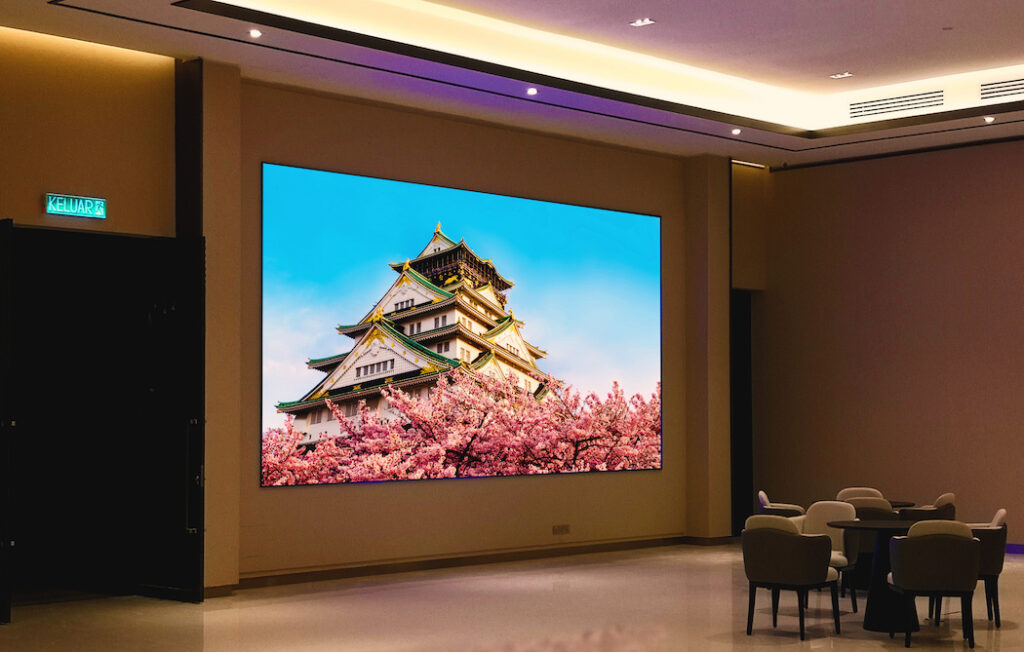
For LED screen setups in particular, this testing phase is critical. Brightness levels need to suit the ambient light conditions. Colour calibration must be consistent across every panel. Content must display correctly at the intended resolution. None of this is left to chance.
Crucially, the rental company’s responsibility doesn’t end at setup. Dedicated on-site technical staff remain present throughout the event, monitoring equipment performance and ready to respond if anything needs attention.
Adaptability and Problem Solving
Even the most carefully planned events encounter the unexpected. A power fluctuation, a failed data cable, a last-minute change to the running order—mega-events are live environments, and live environments are unpredictable.
Experienced rental companies prepare for this. Contingency stock—spare LED processors, backup cables, replacement fixtures—travels to every large event. On-site crews are briefed on emergency procedures. Problem-solving isn’t reactive; it’s built into the operational plan from the start.
The crews who manage these moments well are typically those with years of hands-on experience across different event types. There’s no substitute for having seen a problem before and knowing exactly how to fix it quickly, calmly, and without the audience ever noticing.
Post-Event Operations
When the last guest leaves, the rental company’s work is far from over.
Dismantling a mega-event is just as complex as building one—perhaps more so, because it often happens under time pressure. Venues have turnarounds to meet, and other productions may be waiting. Equipment is packed down systematically, loaded out in reverse sequence, and transported back to the warehouse.
Once there, everything is inspected thoroughly. LED panels are checked for damage. Audio equipment is cleaned and tested. Any item that isn’t up to standard is flagged for repair before it re-enters the active inventory. This post-event process is what keeps quality high across every job that follows.
The best rental companies also gather feedback at this stage—from event organisers, their own crews, and technical partners. What worked well? What could be improved? That reflection feeds directly into better planning for the next event.
The Unsung Engine of Every Great Event
Rental companies are rarely the story. The headline act is, the venue is, the brand activating the space is—but not the team that made it all possible. That invisibility is, in many ways, the mark of a job well done.
From the first site visit to the final inspection back at the warehouse, the work that goes into a mega-event is extensive, skilled, and relentless. Next time you stand in front of a towering LED screen at a festival or watch a flawlessly lit stage at a corporate summit, consider the months of preparation that made that moment possible. The best events look effortless because the people behind them left nothing to chance.