Healthy gums are an important part of a beautiful smile. Sometimes people have extra gum tissue that covers too much of the teeth. This can make teeth look small or uneven. In such cases, dentists often suggest laser gum removal.

This modern dental treatment helps remove extra gum tissue safely. It improves the shape of the gums and helps teeth look more balanced. Many people choose this treatment to improve their smile and maintain better oral health.
Laser technology has made dental procedures easier and more comfortable. Unlike traditional gum surgery, laser gum removal is gentle and usually involves less pain and faster healing.
Understanding Laser Gum Removal
Laser gum removal is a dental procedure used to remove extra gum tissue around the teeth. Dentists use a special dental laser that carefully reshapes the gum line.
Many people have gums that cover too much of their teeth. This condition is often called a “gummy smile.” With laser gum removal, the dentist reshapes the gums so that more of the natural tooth becomes visible.
This treatment is quick and usually completed in one visit. Because lasers are very precise, they remove only the excess gum tissue while protecting the healthy surrounding area.
Patients often choose this procedure because it improves both the look of the smile and overall gum health.
Why Dentists Recommend Laser Gum Removal
Dentists recommend laser gum removal for several reasons. It helps improve the appearance of the smile and can also support better dental hygiene.
Improve Smile Appearance
Extra gum tissue can make teeth look shorter than they really are. Laser gum removal reshapes the gum line so teeth appear longer and more even.
A balanced gum line helps create a natural and attractive smile.
Remove Excess Gum Tissue
Some people naturally have thick gum tissue. Others may develop extra gum growth due to certain medications or dental conditions.
Laser gum removal gently removes the extra tissue so gums look healthy and balanced.
Support Better Oral Health
When gums cover too much of the teeth, it can be harder to clean the gum line properly. This may increase the chance of plaque buildup.
By reshaping the gums, laser treatment makes brushing and flossing easier, which helps maintain better oral health.
How Laser Gum Removal Works
Laser technology allows dentists to treat gum tissue with high accuracy.
Step 1 – Dental Examination
The dentist first checks your teeth and gums carefully. This helps them understand how much gum tissue needs to be removed.
They also check if your teeth and gums are healthy enough for the procedure.
Step 2 – Local Numbing
Before the procedure begins, the dentist may use local anesthesia to numb the area. This helps keep the patient comfortable.
Many patients feel only mild pressure during the treatment.
Step 3 – Laser Gum Shaping
The dentist uses a dental laser to remove the extra gum tissue. The laser also helps control bleeding by sealing blood vessels at the same time.
Because of this, the procedure is often quicker and cleaner than traditional gum surgery.
Step 4 – Final Gum Shaping
After the extra tissue is removed, the dentist shapes the gum line so that it looks natural and even.
Once the procedure is complete, the gums start healing quickly.
Benefits of Laser Gum Removal
Many people prefer laser gum removal because it offers several advantages compared to traditional gum surgery.
Less Pain and Discomfort
Laser treatment is gentle on the gums. Most patients experience only mild discomfort during and after the procedure.
Faster Healing Time
Because the laser seals the tissue while working, the gums usually heal faster than with traditional surgical tools.
Minimal Bleeding
The dental laser controls bleeding during the procedure, which makes the treatment safer and cleaner.
Improved Smile Confidence
After the gums are reshaped, teeth appear longer and more even. This can make a big difference in how a smile looks.
Many patients feel more confident about their smile after the treatment.
Who May Need Laser Gum Removal
Laser gum removal is recommended for different dental concerns.
People with a Gummy Smile
Some people feel that too much gum tissue shows when they smile. This condition is often treated with laser gum removal to create a better balance between teeth and gums.
Uneven Gum Line
Sometimes gums grow unevenly around the teeth. Laser treatment helps reshape the gum line so that the smile looks more balanced.
Gum Overgrowth
Certain medications and dental conditions can cause gums to grow excessively. Laser gum removal helps remove this extra tissue safely.
Recovery After Laser Gum Removal
Recovery from laser gum removal is usually simple and quick.
Mild Sensitivity
Some patients may feel slight gum sensitivity for a few days after treatment. This is normal and usually improves quickly.
Soft Food Diet
Dentists may recommend eating soft foods for a short time while the gums heal.
Good Oral Hygiene
Brushing and flossing carefully around the treated area helps keep the gums clean during healing.
Follow-Up Visit
The dentist may schedule a follow-up visit to check the healing process and ensure the gums are shaping properly.
Laser Gum Removal and Other Dental Treatments
Laser gum removal is sometimes combined with other dental procedures to improve both function and appearance.
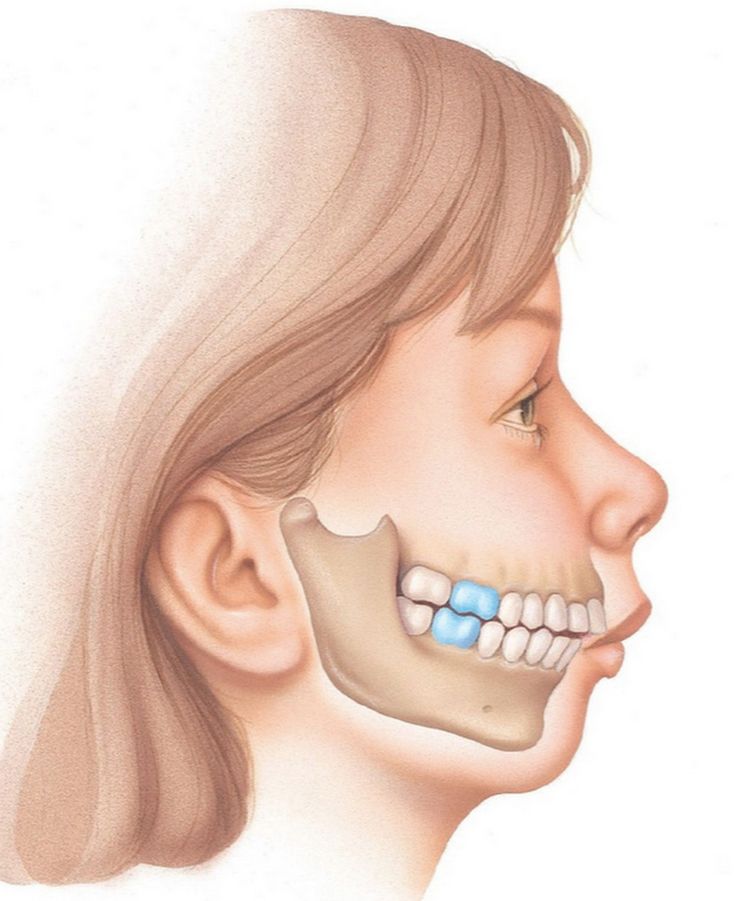
For example, patients with severe bite problems may require jaw realignment surgery for overbite. This treatment corrects the position of the jaw and improves the bite.
While laser gum removal focuses on reshaping the gums, jaw realignment surgery for overbite helps correct jaw structure. Together, these treatments can greatly improve dental health and smile appearance.
Children may also need dental care for gum and tooth problems. Parents often search for a pediatric dentist near me to ensure their child receives proper dental care at an early age.
Early dental visits help prevent many oral health problems later in life.
How to Maintain Healthy Gums After Treatment
After laser gum removal, taking care of your gums is very important.
Brush Twice a Day
Use a soft toothbrush to clean teeth and gums gently.
Floss Daily
Flossing helps remove food particles and plaque between teeth.
Visit Your Dentist Regularly
Regular dental checkups help keep gums and teeth healthy.
Avoid Smoking
Smoking can slow down the healing process and affect gum health.
Maintaining these habits helps protect the results of laser gum removal and supports long-term oral health.
Conclusion
Laser gum removal is a modern dental treatment that helps reshape the gum line and remove excess gum tissue safely. It is a comfortable and effective way to improve the appearance of the smile while also supporting better oral health.
Many patients choose laser gum removal because it is gentle, precise, and offers faster healing compared to traditional gum surgery.
In some cases, other treatments such as jaw realignment surgery for overbite may also be recommended to correct jaw structure and improve the bite. For children’s dental care, parents often search for a pediatric dentist near me to ensure early dental guidance and healthy smile development.
Taking care of your gums and teeth after treatment is important. Regular dental visits and proper oral hygiene habits help maintain long-term results and keep your smile healthy.
For more insightful articles related to this topic, feel free to visit blogpulseguru