Picking packaging used to be simple: grab whatever protects the parcel and move on. These days, customers care about how their orders arrive, and so do the businesses sending them. That’s why the biodegradable versus plastic question keeps coming up in our conversations. The honest answer is that both have a place, and the better choice depends on what you ship, who you ship to, and how you want your brand to come across. In this guide, I’ll walk you through the biodegradable and plastic options we’d look at first, compare them side by side, and help you match each to your products. Whether you sell homeware or gadgets, there’s something here for you. No jargon, I promise.
TL;DR
- Biodegradable options include starch loose fill, paper void fill, and green bubble rolls
- Plastic options include polyethylene foam and classic bubble rolls
- Neither is better in every case, so match the material to your product
- Foam suits delicate surfaces, while paper suits a natural look
- Mixing both types in one box works well
How Do Biodegradable and Plastic Packaging Differ?
Think of it this way: biodegradable options such as starch loose fill and recycled paper break down or recycle easily, while plastic options such as polyethylene foam and standard bubble wrap offer toughness, water resistance, and a scratch-free finish. Many plastic materials are recyclable, and greener options can cushion just as well. If you’re after eco appeal, biodegradable loose fill is a popular starting point. Here’s how the two sides line up:
| Feature | Biodegradable Options | Plastic Options |
| Typical materials | Starch, recycled paper, green polythene film | Polyethylene foam, standard bubble film |
| After use | Breaks down or recycles as paper | Many are recyclable, such as foam rolls |
| Main strength | Eco-friendly image | Water resistance and non-abrasive wrap |
| Best for | General void fill and natural looks | Delicate, polished, and fragile items |
Which Biodegradable and Plastic Materials Can You Buy?
Here are the five types I’d put on your shortlist.
Starch-Based Loose Fill
Our best-selling void fill is light, recyclable, and eco-friendly, and it flows neatly around your items to stop them shifting in transit. The chunky puffed shapes lock together around whatever you pack.
- Light and easy to pour into any box
- Available in 15 and 30 cubic foot sizes
- Great for filling gaps around mixed orders
Paper Void Fill
Paper loose fill comes in a manual dispensing system called a Speedman box, made from recycled paper.
- 100% recycled and 100% recyclable
- Dispensed by hand straight from the box
- A tidy choice for natural-looking packs
Classic Bubble Rolls
The standard small bubble wrap has bubbles about 10 mm across, and large bubble versions are there for bulkier goods.
- Small rolls in widths from 300 mm to 1500 mm
- Large bubble option for heavier items
- Trusted across almost every industry
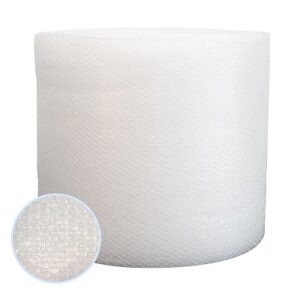
Green and Paper Bubble Rolls
Want the same cushioning with a greener angle? Greener bubble wrap comes in two forms: a biodegradable roll made from recycled, recyclable LDPE, and a paper roll.
- Biodegradable roll in 75 m lengths, 400 mm or 500 mm wide
- Paper roll in 10 m or 70 m lengths, 500 mm or 750 mm wide
- Embossed, padded paper for extra protection
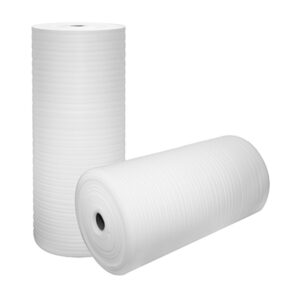
Jiffy Foam Rolls
These foam wrap rolls are made from closed-cell polyethylene, so they’re non-abrasive, water-repellent, and leave no residue. They’re CFC-free and 100% recyclable too.
- Thicknesses from 1 mm to 4 mm
- Mostly in 500 mm, 750 mm and 1500 mm widths
- Ideal for glassware, crockery and electronics
How Do You Choose What’s Right for Your Business?
I always tell sellers to start with the product, not the packaging. A crockery seller and a subscription box brand have very different needs. Delicate, polished items usually do best wrapped in foam wrap rolls, so start there and build around it. Orders placed by 3 PM ship the next working day, which helps when stock is running low.
| Business Type | Good Fit | Why It Works |
| Homeware and gift sellers | Paper void fill and paper bubble rolls | Natural look, easy to recycle |
| Glassware and crockery sellers | Foam rolls | Soft, scratch-free wrap |
| Electronics retailers | Foam plus bubble rolls | Surface care and cushioning |
| Eco-minded subscription boxes | Starch loose fill | Light and eco-friendly |
Mixing is perfectly fine. Many sellers wrap items in foam, then use to stop everything moving around inside the box.
Which Packaging Is Better for You?
Honestly, there’s no winner, only the right fit for your goods paper loose fill. Plastic options like foam and classic bubble wrap are great for delicate, fragile items, while biodegradable and paper options suit brands that want a greener look. For an eco-friendly feel, start with starch or paper loose fill, then add foam or bubble rolls where an item needs extra care. Test a small batch and see how your parcels land. That way you protect your products and keep your packaging story honest.
FAQs
Is biodegradable packaging as protective as plastic?
For many items, yes. Green bubble rolls cushion just as effectively, and biodegradable loose fill is a light, popular void fill for general boxes.
Can I recycle plastic packaging materials?
Many can be. Jiffy foam wrap rolls, for example, are 100% recyclable and CFC-free.
What is paper void fill made from?
It’s made from 100% recycled paper and is 100% recyclable. You dispense it by hand from a box.
Which is better for fragile items?
It depends on the item, but classic bubble wrap and foam rolls are both trusted choices for fragile goods. Many sellers use them together.