Choosing a kitchen sink involves more than selecting a color and shape. The sink needs to fit the available countertop and cabinet space while providing enough room for everyday tasks such as washing dishes, rinsing food, and cleaning cookware.
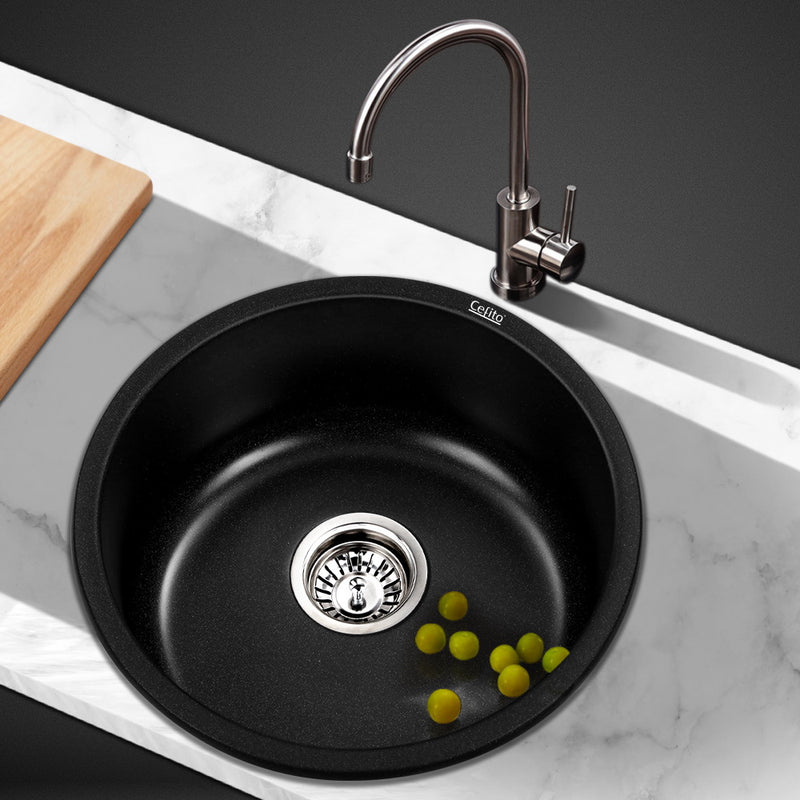
A Black Round Kitchen Sink can add a distinctive look to a kitchen while offering a practical basin for daily use. Before installation, however, homeowners should carefully consider the sink’s dimensions, depth, mounting style, and surrounding workspace.
Measure the Available Space
Accurate measurements are essential before choosing a round kitchen sink. Measure the countertop area, cabinet width, and available clearance underneath the sink.
The sink should fit comfortably without interfering with nearby cabinets, drawers, or appliances. Always compare your measurements with the manufacturer’s required installation dimensions.
Consider the Sink Diameter
Round sinks are generally measured by their diameter, which determines how much usable basin space they provide. A larger diameter can make washing cookware easier but may require more countertop space.
For smaller kitchens, a compact sink may preserve more room for food preparation. Larger kitchens typically provide greater flexibility when selecting the basin size.
Think About Sink Depth
Basin depth can affect both capacity and comfort. A deeper sink provides additional space for dishes and cookware and can help contain splashing during washing.
However, an excessively deep basin may require more bending. Consider the height of the countertop and the people who will use the sink regularly when choosing the appropriate depth.
Check Cabinet Clearance
The space beneath the countertop is just as important as the space above it. A round sink may require sufficient cabinet clearance for the basin and plumbing connections.
Check for drawers, shelves, supports, and other components that could interfere with installation. This is particularly important when replacing an existing sink with a different design.
Choose the Right Installation Method
The installation method affects both appearance and countertop preparation. Depending on the sink design, common options can include undermount and top-mount installation.
Each method has different requirements for countertop cutouts and support. Confirm the manufacturer’s specifications before selecting an installation style.
Leave Enough Countertop Workspace
A sink should provide sufficient washing space without taking over the countertop. This is especially important in compact kitchens where preparation space is limited.
Consider how much room you need beside the sink for chopping ingredients, placing dishes, or setting down cookware. A well-proportioned sink can improve the overall workflow.
Consider the Faucet Position
The faucet needs to work comfortably with the sink’s shape and surrounding countertop. Make sure there is enough space behind or beside the basin for the faucet and any accessories.
If the countertop already has a faucet hole, check its position before purchasing the sink. New installations should account for both sink dimensions and faucet placement.
Plan for Plumbing
Plumbing connections should be considered before installation begins. The sink’s drain position and basin depth can affect the available space for pipes underneath the countertop.
Confirm that the existing plumbing can connect properly to the new sink. In some installations, adjustments may be necessary to accommodate different dimensions or drain locations.
Consider the Sink’s Weight
Some sink materials, particularly dense composite materials, can be heavier than standard stainless steel. The countertop and cabinet structure must be capable of supporting the sink securely.
For heavier models, proper support during installation is especially important. Follow the manufacturer’s installation instructions or consult a qualified professional when necessary.
Final Thoughts
Selecting a black round kitchen sink requires careful attention to size, depth, cabinet clearance, countertop space, faucet placement, and installation requirements. Taking accurate measurements before purchasing can help prevent compatibility issues.
A well-sized sink should provide enough room for everyday kitchen tasks while fitting naturally into the available space. By considering both functionality and installation requirements, homeowners can choose a round sink that works effectively with their kitchen layout.