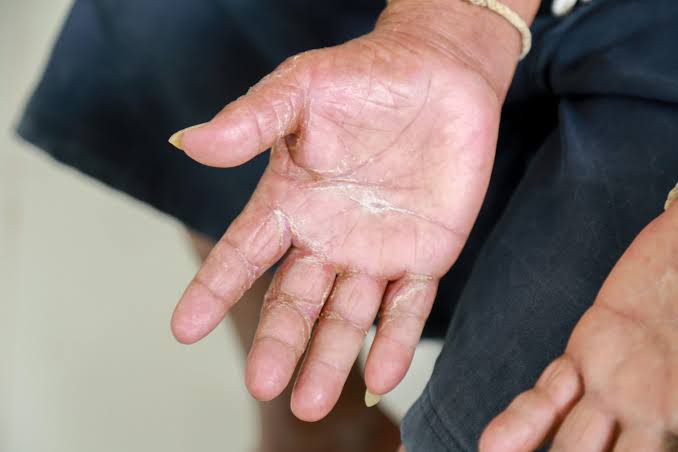
Scleroderma is a chronic condition that affects connective tissue and can cause the skin to become thick, tight, or hardened. In some people, it may also affect blood vessels and internal organs, including the lungs, heart, kidneys, and digestive system. Living with this condition can be challenging, leading many people to explore lifestyle changes, nutritional support, and complementary approaches to improve their quality of life.
But can Natural Remedies Help with Scleroderma? The answer depends on what someone hopes to achieve. Healthy eating, gentle physical activity, stress management, and appropriate skin care may help support general well-being and relieve certain symptoms. However, there is currently no proven natural remedy that cures scleroderma or reliably stops its progression.
Understanding the potential benefits and risks of natural approaches is essential before adding supplements or herbal products to a treatment plan. This guide explores the available evidence, practical self-care strategies, and important safety considerations for people living with scleroderma.
Understanding Scleroderma and Its Symptoms
Scleroderma is an autoimmune and connective tissue disorder associated with abnormal collagen production and changes in blood vessels. Collagen is a protein that provides structure and strength to the skin and other tissues. Excessive collagen accumulation can cause fibrosis, resulting in thickened or hardened tissue.
The condition generally occurs in two main forms:
- Localized scleroderma: Primarily affects the skin and underlying tissues.
- Systemic sclerosis: Can affect the skin, blood vessels, digestive tract, lungs, heart, kidneys, and other organs.
Symptoms vary from person to person. Common signs include thickened skin, cold-sensitive fingers, changes in skin color, joint stiffness, fatigue, acid reflux, and difficulty swallowing. Some individuals experience breathing difficulties or other complications associated with internal organ involvement.
Because scleroderma varies significantly in severity, treatment must be tailored to the individual’s symptoms and affected organs. Natural approaches should complement, rather than replace, appropriate medical care.
Can Natural Remedies Help with Scleroderma Symptoms?
Natural approaches may help some people manage specific symptoms and maintain overall health. However, their benefits should not be confused with treating the underlying autoimmune process.
For example, keeping the skin moisturized may reduce dryness and discomfort, while regular gentle movement can help preserve flexibility. Balanced nutrition may support energy levels and general health, and stress-management techniques may improve emotional well-being.
These measures do not eliminate abnormal collagen production or reliably prevent organ damage. Their role is supportive, and the most appropriate options depend on the symptoms a person experiences.
Before starting a new remedy, discuss it with a rheumatologist or another qualified healthcare professional, particularly if you have systemic sclerosis or take prescription medication.
1. Maintain a Balanced and Nutritious Diet
A balanced diet is one of the most practical ways to support general health while living with scleroderma. Although no specific diet has been proven to cure the condition, nutritious foods can provide essential vitamins, minerals, protein, healthy fats, and energy.
Consider including the following foods in your daily meals:
- Fruits and vegetables for vitamins, minerals, and dietary fiber.
- Whole grains for energy and digestive health.
- Eggs, fish, beans, lentils, and other protein sources to help maintain muscle and support tissue repair.
- Nuts, seeds, and olive oil for healthy fats.
- Adequate fluids to support hydration, unless your healthcare professional has recommended fluid restrictions.
People with systemic sclerosis may experience acid reflux, bloating, constipation, reduced appetite, or difficulty swallowing. Eating smaller meals more frequently and remaining upright after eating may help reduce reflux symptoms. Avoiding foods that personally trigger heartburn can also be useful.
Some individuals experience weight loss or nutritional deficiencies because eating becomes uncomfortable. In these circumstances, a registered dietitian familiar with gastrointestinal complications can recommend suitable foods and meal plans.
There is no need to follow a restrictive diet unless a specific medical reason exists. A varied, sustainable eating pattern is generally more appropriate than an extreme diet that eliminates entire food groups.
2. Can Vitamins and Supplements Support Scleroderma Management?
Vitamins and dietary supplements are frequently discussed as possible ways to support people with autoimmune conditions. However, having a nutrient deficiency and taking a supplement to treat scleroderma are two different situations.
Vitamin D
Vitamin D helps maintain bone health, muscle function, and normal immune system activity. Some people may have inadequate vitamin D levels because of dietary limitations, reduced sun exposure, or other factors.
A healthcare professional may recommend testing or supplementation when appropriate. However, there is insufficient evidence that taking additional vitamin D reverses skin thickening or prevents systemic sclerosis complications in people who do not need supplementation.
Vitamin C
Vitamin C contributes to normal collagen formation, wound healing, and immune function. Fruits such as oranges, guavas, and strawberries, along with vegetables such as bell peppers, can provide this nutrient.
Although vitamin C is essential for healthy tissue, there is no convincing evidence that high-dose supplements can correct the abnormal collagen accumulation associated with scleroderma.
Omega-3 fatty acids
Omega-3 fatty acids are found in oily fish, walnuts, chia seeds, and flaxseeds. They play a role in normal cellular function and may influence inflammatory pathways.
Some research has investigated omega-3 supplements in systemic sclerosis, but the evidence remains limited. They should not be considered a proven treatment for fibrosis, circulation problems, or organ involvement.
The most important principle is to correct documented deficiencies rather than take high doses of multiple supplements without medical guidance. Supplements can cause side effects and may interact with prescribed medicines.
3. Herbal Treatment for Scleroderma: What Does the Evidence Say?
Interest in Herbal Treatment for Scleroderma has increased as people seek complementary approaches to managing chronic conditions. Certain plant compounds have shown antioxidant, anti-inflammatory, or antifibrotic properties in laboratory studies.
Turmeric, for example, contains curcumin, a compound studied for its potential effects on inflammatory processes and tissue fibrosis. Researchers have also investigated various plant-derived substances to understand whether they might influence pathways involved in systemic sclerosis.
However, promising laboratory findings do not establish that a herb is effective or safe for people with scleroderma. A substance that affects cells in a laboratory may not produce the same results in the human body. Its absorption, dosage, metabolism, and interactions with other medicines all matter.
Before using an herbal product, consider these precautions:
- Discuss the exact ingredient and product with your healthcare professional.
- Check whether it could interact with prescription medicines.
- Avoid products that promise a cure or guaranteed reversal of skin thickening.
- Choose products with transparent ingredient lists and reliable quality testing.
- Do not replace prescribed immunosuppressants, circulation medicines, or other treatments with herbal preparations.
Some supplements can affect the liver, kidneys, blood pressure, or blood clotting. These risks are especially important for people whose scleroderma already affects internal organs.
Current research does not establish any herbal preparation as a reliable treatment that cures scleroderma.
4. Natural Remedies For Scleroderma: Practical Self-Care Strategies
When exploring Natural Remedies For Scleroderma, it is useful to prioritize everyday measures that support comfort, mobility, skin protection, and overall well-being. These approaches may improve daily functioning without exposing someone to the uncertain risks of unproven supplements.
Gentle exercise and stretching
Scleroderma can cause tight skin, joint stiffness, reduced flexibility, and fatigue. Gentle stretching and range-of-motion exercises may help maintain movement and make everyday tasks easier.
Depending on your abilities, a routine may include:
- Gentle finger and hand movements.
- Shoulder and wrist stretches.
- Short walks at a comfortable pace.
- Low-impact aerobic activity.
- Exercises recommended by a physiotherapist.
Start gradually and adjust activity to your energy levels. A physiotherapist or occupational therapist can help adapt exercises to your symptoms, especially if hand movement is limited or you have painful skin ulcers.
Exercise should be tailored to your health status, particularly if systemic sclerosis affects your lungs or heart.
Gentle skin care
Dry, fragile skin can be uncomfortable and more vulnerable to injury. Applying a fragrance-free moisturizer regularly may help reduce dryness and protect the skin barrier.
Helpful practices include using mild cleansers, avoiding very hot water, and protecting the hands from harsh cleaning products. A humidifier may also help when indoor air is dry.
Avoid aggressive exfoliation, harsh chemical treatments, and unverified topical products that may irritate sensitive skin. Any persistent wound, painful ulcer, or sign of infection needs medical assessment.
Keeping the body warm
Some people with systemic sclerosis experience Raynaud’s phenomenon, in which the fingers or toes become unusually sensitive to cold and may turn white, blue, or red.
Wearing warm gloves and socks, using layers of clothing, and avoiding sudden temperature changes may help reduce episodes. Keeping the entire body warm is often more useful than warming the hands alone.
Do not apply intense heat directly to numb fingers or toes, because reduced sensation or poor circulation may increase the risk of burns.
These self-care approaches are consistent with established recommendations for symptom management, although they do not cure the disease.
5. Stress Management and Emotional Well-Being
Living with a chronic condition can create emotional stress, uncertainty, and frustration. Stress does not cause every scleroderma symptom, and reducing stress will not reverse fibrosis. Nevertheless, relaxation techniques may help improve sleep, coping skills, and quality of life.
Options to consider include:
- Mindfulness meditation: Helps some people manage anxious thoughts and focus on the present.
- Gentle breathing exercises: May encourage relaxation and reduce feelings of tension.
- Adequate sleep: A consistent sleep schedule can support energy and emotional health.
- Support groups: Connecting with others who understand the condition can reduce feelings of isolation.
- Professional counselling: Can provide practical tools for coping with long-term illness.
Yoga or other gentle movement practices may also be helpful if adapted to individual mobility and medical needs. Avoid exercises that cause pain, excessive fatigue, or breathing difficulties.
If stress is affecting your daily life, consider discussing psychological support with your healthcare team. Emotional well-being is an important part of comprehensive care, even though stress management is not a disease-modifying treatment.
6. What About Natural Herbs Clinic and Alternative Therapies?
People researching complementary care may encounter services or websites such as Natural Herbs Clinic that discuss herbal products, traditional remedies, and natural approaches to wellness.
When evaluating any clinic, practitioner, or product, distinguish general wellness advice from treatments supported by reliable clinical evidence. Ask whether specific claims are backed by controlled human studies involving people with scleroderma, rather than laboratory experiments, testimonials, or research involving unrelated conditions.
A trustworthy practitioner should be willing to explain the limitations of available evidence, discuss possible side effects, and coordinate with your medical team. Be cautious if a provider guarantees a cure, claims that conventional treatment is unnecessary, or encourages you to stop prescribed medicines.
Before purchasing an herbal formula, obtain its complete ingredient list and discuss it with a doctor or pharmacist. This is particularly important if you have kidney or liver complications, take blood-thinning medication, or use medicines that suppress the immune system.
Complementary approaches may have a place in a broader wellness plan, but the reputation of a clinic or the natural origin of an ingredient does not establish its effectiveness against scleroderma.
7. Risks and Safety Considerations
Natural remedies can carry risks even when their ingredients are described as gentle or traditional.
Potential concerns include:
- Medication interactions: Herbs and supplements can change how certain medicines work or increase their side effects.
- Organ toxicity: Some products can harm the liver or kidneys, which is particularly concerning when these organs are already affected.
- Uncertain ingredients: Some products may contain undeclared substances, contaminants, or inconsistent amounts of active ingredients.
- Delayed treatment: Relying on unproven remedies may delay diagnosis or treatment of serious complications.
- Excessive supplementation: High doses of vitamins and minerals can cause adverse effects without providing additional benefits.
People with systemic sclerosis need regular medical monitoring because complications can develop even when symptoms initially appear mild. New or worsening breathlessness, chest pain, fainting, significant changes in blood pressure, or rapidly worsening symptoms warrant prompt medical attention. Severe chest pain or severe breathing difficulty requires emergency care.
A healthcare professional can help determine which complementary approaches are reasonable for your particular symptoms, medications, and medical history.
8. What Medical Treatments Should Not Be Replaced?
Although lifestyle changes may support daily well-being, conventional treatment remains essential for managing scleroderma and its complications.
Depending on the type and severity of the condition, medical care may involve medicines to control immune activity, treatments for Raynaud’s phenomenon, therapies for acid reflux, and specialized management of lung or kidney involvement. Skin symptoms may also require dermatological treatment.
Not everyone needs the same medicines, and there is no single treatment that works for every manifestation of scleroderma. A rheumatologist can coordinate care with dermatologists, pulmonologists, gastroenterologists, and other specialists when necessary.
Do not stop or reduce prescribed treatment because a supplement seems to improve your symptoms. Discuss treatment changes with your healthcare professional, and maintain recommended follow-up appointments and screening tests.
Frequently Asked Questions
Can natural remedies reverse skin thickening caused by scleroderma?
There is currently no reliable evidence that natural remedies reverse scleroderma-related skin thickening. Moisturizers and gentle exercises may help with skin comfort and mobility, but they do not eliminate the underlying disease.
Is turmeric good for scleroderma?
Turmeric contains curcumin, which has been studied for its effects on inflammation and fibrosis. However, laboratory findings do not prove that turmeric supplements improve scleroderma in humans. Concentrated products can also cause side effects and interact with medicines.
Which vitamins are best for people with scleroderma?
There is no universally recommended vitamin supplement that treats scleroderma. Vitamin D, vitamin C, and other nutrients support normal body functions, but supplementation should be based on individual nutritional needs and professional advice.
Can diet alone manage systemic sclerosis?
No. A balanced diet may support general health and help manage some digestive symptoms, but diet alone cannot reliably control systemic sclerosis or prevent organ damage.
Conclusion
So, can Natural Remedies Help with Scleroderma? They may support certain aspects of daily life, including skin comfort, mobility, nutrition, stress management, and general well-being. However, the evidence that herbal products or dietary supplements directly treat the disease remains limited, and no natural remedy has been established as a cure.
The safest approach combines a balanced diet, appropriate physical activity, gentle skin care, and personalized medical treatment. Supplements and herbal products should be reviewed by a qualified healthcare professional before use, particularly when systemic sclerosis affects internal organs or prescription medicines are involved.
By focusing on evidence-based self-care and maintaining regular medical follow-up, people with scleroderma can make informed decisions about complementary approaches without compromising essential treatment.