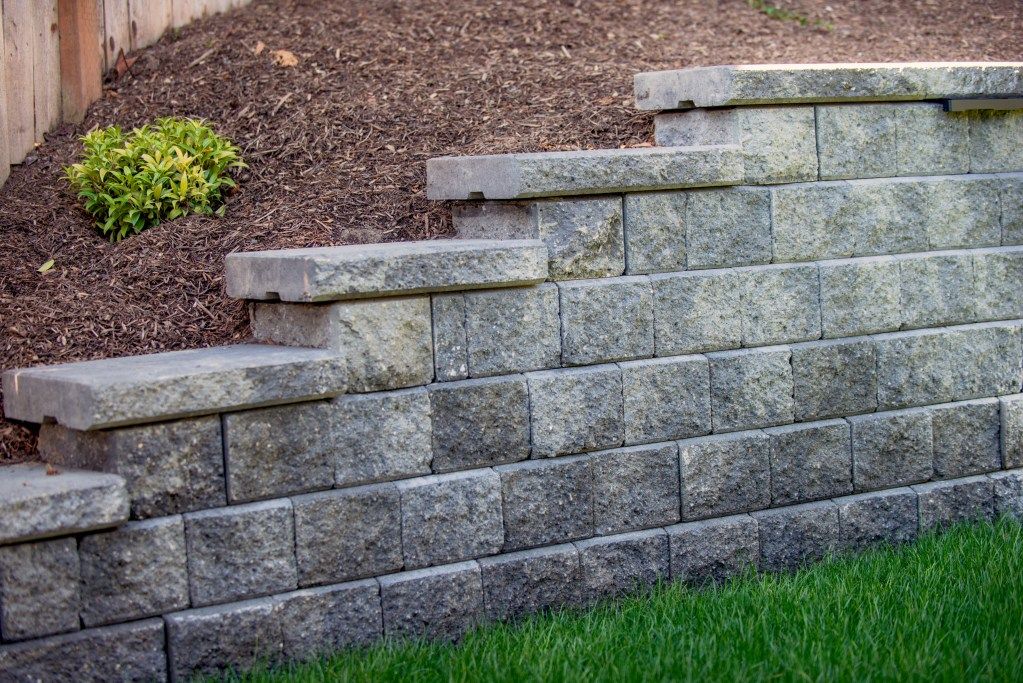
Heavy rain can send water across your yard, wash away soil, and leave muddy areas near your home. Sloped properties are especially vulnerable because water naturally travels downhill. Stone retaining walls can help manage these conditions when combined with proper grading and drainage. Professional retaining wall installation Holly MI can create a more stable landscape while helping homeowners control runoff and protect garden areas. The key is designing a wall that works with the natural slope and directs excess water safely away from buildings and neighboring properties.
How Stone Retaining Walls Help Control Runoff
Stone retaining walls hold soil in place and create defined levels across uneven ground. By changing the shape of a slope, they can help manage how water moves through the landscape. Instead of allowing soil to wash downhill freely, a properly designed wall supports the ground and creates opportunities to guide runoff toward suitable drainage areas.
Homeowners considering natural stone retaining walls Holly MI can benefit from a design that combines attractive materials with practical water management. Natural stone also adds texture and character to garden beds, walkways, and outdoor living areas.
Reduce Soil Loss on Sloped Properties
When rainwater flows quickly over exposed soil, it can carry away mulch, nutrients, and small plants. Retaining walls help stabilize the slope and create flatter planting areas.
However, walls should not simply block water. Proper retaining wall installation Holly MI includes planning for drainage so water does not collect behind the structure or increase pressure on the wall.
Why Drainage Matters Behind a Stone Wall
Even a strong stone wall can develop problems if water becomes trapped behind it. Saturated soil becomes heavier, and the added pressure can cause the wall to bulge, shift, or lean. Water may also find its way around the ends of the structure and create new erosion problems.
A good drainage plan allows excess water to escape while keeping the wall and surrounding soil stable. The exact setup depends on the wall height, soil type, slope, and amount of runoff the property receives.
Use Gravel and Drainage Outlets
Depending on the design, drainage features may include clean gravel behind the wall, perforated drainage pipes, and suitable outlets. These components help move water away from the retained soil.
Homeowners planning retaining wall installation Holly MI should also consider nearby gutters and downspouts. Directing roof runoff away from the wall can reduce the amount of water entering the surrounding ground.
Drainage outlets should remain clear of leaves, sediment, and other debris. Regular checks help maintain water flow and reduce pressure during heavy rain.
Protect Your Foundation and Garden Areas
Runoff can cause more than muddy lawns. Water that travels toward a home’s foundation may contribute to damp areas, soil movement, and drainage concerns around the building. Erosion can also expose plant roots, damage garden borders, and wash mulch onto patios or walkways.
Stone retaining walls can help manage the slope between these areas when their placement is carefully planned. They may create raised garden beds, define landscape sections, and provide a more controlled route for water movement.
Plan the Landscape Around Your Home
Before building, identify where water collects during storms and where it flows after leaving the roof. Look for bare soil, washed out mulch, and low spots that remain wet long after rainfall.
A well planned retaining wall installation Holly MI project considers these conditions before selecting wall locations. Proper grading should direct runoff away from the foundation without sending it toward neighboring properties.
For more complex drainage problems, a landscape professional may recommend additional drainage measures. A retaining wall is most effective when it forms part of a larger plan for managing water across the property.
Choose the Right Stone and Wall Design
Natural stone provides a timeless appearance that works well with trees, shrubs, and garden plantings. Different stone sizes and shapes can create anything from a low garden border to a larger retaining structure. The best choice depends on the slope, expected soil pressure, drainage needs, and appearance you want.
Material selection is only one part of the process. The wall also needs a stable foundation and construction methods suited to the site. Taller walls or structures supporting driveways may require engineering and additional reinforcement.
Consider Michigan’s Weather Conditions
Holly experiences seasonal rain, freezing temperatures, and spring thawing. Water trapped in the soil can freeze and expand, putting extra pressure on a retaining wall. Poor drainage and a weak base can increase the risk of movement.
Professional retaining wall installation Holly MI should account for local soil conditions and seasonal weather. Proper excavation, a compacted base, and suitable drainage can help the structure remain stable.
Choose a design that fits both the landscape and the amount of water the property receives. This helps protect the wall while keeping the yard attractive and functional.
Maintain Your Retaining Wall After Installation
Routine maintenance helps homeowners spot drainage issues before they become serious. Inspect the wall after heavy rain and again in spring when snow and ice have melted. Look for loose stones, leaning sections, soil washing away near the base, or water collecting behind the wall.
Keep Water Flowing Properly
Follow these simple maintenance steps:
- Clear leaves and debris from drainage outlets.
- Check gutters and downspouts for blockages.
- Watch for new low spots or erosion near the wall.
- Keep soil and mulch from covering drainage openings.
- Arrange an assessment if the wall begins leaning or separating.
Avoid adding heavy loads near the top of a wall unless it was designed to support them. Changes such as new patios, sheds, or driveways can increase pressure on the structure.
With proper care, retaining wall installation Holly MI can provide lasting landscape support and help manage runoff over time.
Frequently Asked Questions
- Can stone retaining walls stop all property runoff?
No. They can help manage slopes and reduce erosion, but effective runoff control also depends on grading and drainage.
- Do natural stone retaining walls help prevent soil erosion?
Yes. Properly built walls support soil on sloped ground and can reduce soil loss when combined with suitable drainage and planting.
- How much does retaining wall installation Holly MI cost?
Cost depends on wall size, stone selection, site access, foundation work, and drainage requirements. An on site estimate provides a more accurate price.
- Can a retaining wall protect my home’s foundation?
It may help manage soil and water near the home when properly designed. Correct grading and separate foundation drainage measures may also be necessary.
- When should I have a retaining wall inspected?
Check the wall regularly, especially after heavy rain and spring thawing. Seek professional advice if you notice leaning, bulging, or soil movement.
Conclusion
Stone retaining walls can help protect your property from runoff by supporting sloped soil, reducing erosion, and creating more manageable landscape levels. Their success depends on proper drainage, a stable foundation, and a design that suits your property’s conditions. Professional retaining wall installation Holly MI can help homeowners improve drainage while creating attractive garden spaces that fit the landscape.
If you live in Holly or a nearby Michigan community, Driftwood Landscape Pavers & Retaining Walls can help you explore options for a more stable and functional yard. Call today to discuss your property and schedule a consultation.


