Common Challenges Solved by Food Metal Detection Equipment
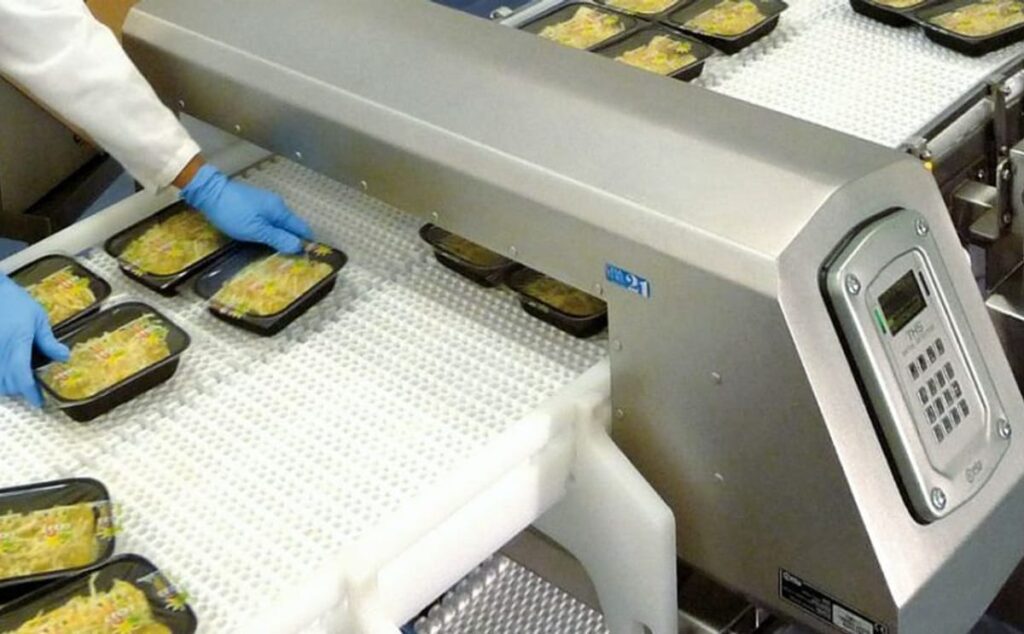
Food manufacturers face many challenges when trying to maintain product safety, production efficiency, and regulatory compliance. One of the most common risks in food processing is metal contamination, which can occur due to damaged machinery, worn components, or accidental introduction during production.
Food metal detection equipment provides an effective solution by identifying and removing contaminated products before they reach customers. Working with an experienced Food Metal Detector Manufacturer helps businesses choose inspection systems designed to solve specific production challenges and improve overall quality control.
Preventing Metal Contamination Risks
Metal contamination is a serious concern for food processors because even small fragments can affect consumer safety and damage a company’s reputation. Sources of metal contamination may include broken machine parts, tools, packaging equipment, or raw materials.
Food metal detectors help identify different types of contaminants, including:
- Ferrous metals
- Non-ferrous metals
- Stainless steel particles
By detecting these hazards early, manufacturers can reduce the risk of unsafe products entering the market.
Reducing Product Recalls
Product recalls can result in significant financial losses and negatively impact customer trust. Effective inspection systems help reduce the chances of contaminated products being distributed.
By installing metal detection equipment at important stages of production, companies can improve quality control and prevent potential recall situations.
Maintaining Food Safety Compliance
Food manufacturers must follow strict safety regulations and quality management systems. Metal detection equipment supports these requirements by providing reliable monitoring at critical points in the production process.
These systems help businesses maintain compliance with programs such as:
- HACCP
- Good Manufacturing Practices (GMP)
- Food safety management systems
- Customer quality requirements
Consistent inspection processes make it easier for manufacturers to meet industry expectations.
Handling High-Speed Production Lines
Modern food factories often operate at high production speeds, making manual inspection methods ineffective. Metal detection systems are designed to inspect products continuously without slowing down production.
Advanced equipment can provide:
- Fast inspection speeds
- Automatic product rejection
- Continuous monitoring
- Reliable detection accuracy
This allows manufacturers to maintain productivity while protecting product quality.
Reducing False Rejects
False rejection occurs when safe products are mistakenly removed from the production line. This can increase waste and reduce operational efficiency.
Modern metal detection systems use advanced technology to improve accuracy and distinguish between actual contaminants and harmless product characteristics.
Better detection algorithms help reduce unnecessary waste while maintaining food safety standards.
Inspecting Different Types of Products
Food manufacturers process products with different textures, moisture levels, packaging materials, and production methods. A single inspection approach may not work for every application.
Metal detection equipment is available for various food categories, including:
- Packaged foods
- Liquids and sauces
- Powder products
- Frozen foods
- Bakery items
- Meat and seafood
Choosing the right system helps businesses achieve reliable inspection results for their specific products.
Improving Quality Control Documentation
Food safety programs require accurate records and traceability. Many modern metal detectors include digital monitoring and data storage features that help manufacturers track inspection results.
Recorded information can support:
- Quality audits
- Production reviews
- Compliance documentation
- Process improvement
Better data management improves transparency and strengthens quality control procedures.
Protecting Processing Equipment
Metal contaminants do not only affect consumers; they can also damage expensive production machinery. Detecting metal particles before they move through processing stages helps protect equipment from potential damage.
Early detection can reduce:
- Equipment repairs
- Production interruptions
- Maintenance costs
- Unexpected downtime
This improves overall operational efficiency.
Supporting Hygienic Production Environments
Food processing facilities require equipment that meets strict hygiene standards. Modern metal detection systems are designed with materials and structures that support easy cleaning and maintenance.
Features such as stainless steel construction and smooth surfaces help manufacturers maintain sanitary production conditions.
Conclusion
Food metal detection equipment helps solve many challenges faced by modern food manufacturers, including contamination risks, product recalls, compliance requirements, production efficiency, and quality control issues. With advanced detection technology and reliable inspection performance, these systems provide valuable support for safer food production. Choosing the right equipment from an experienced manufacturer allows businesses to improve operational reliability while maintaining high standards of food safety.