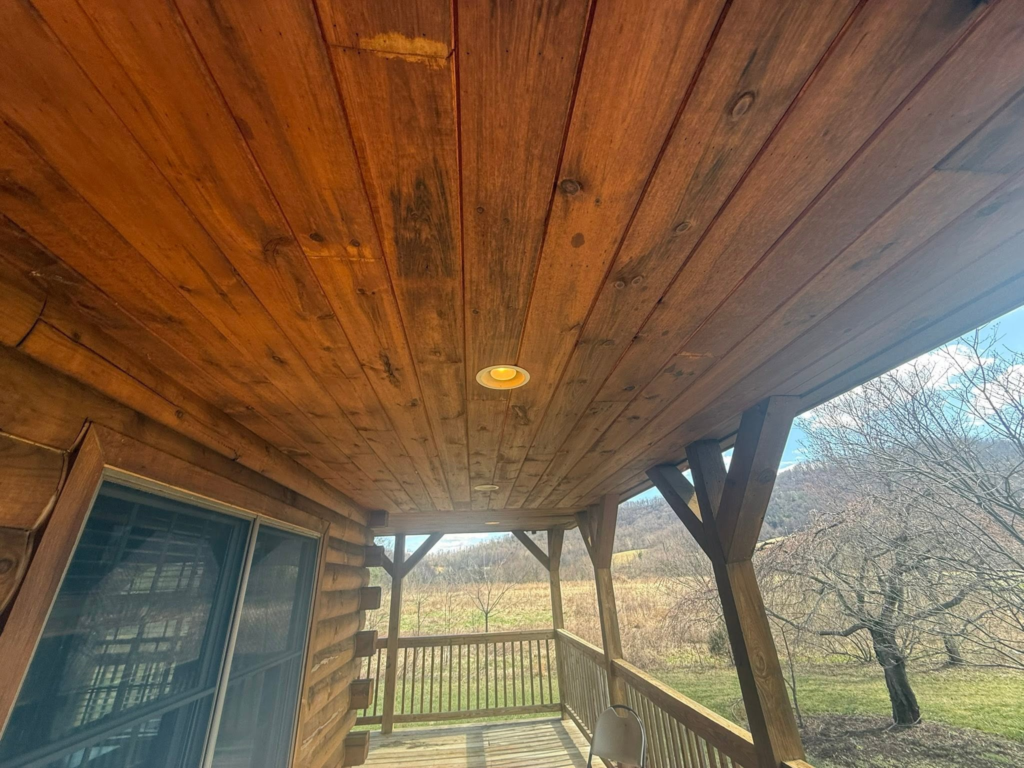
Log homes have a certain character that you just don’t get with regular houses. The natural wood, rustic appearance, and solid construction make them special. But wood is also exposed to weather, moisture, insects, and everyday wear. Over time, these things can cause problems that shouldn’t be ignored. Many homeowners searching for log home repairs in Virginia deal with issues like rotting logs, cracked wood, damaged chinking, water leaks, and fading exterior stains. Some repairs are fairly simple, while others require a trained professional. The important thing is knowing what to look for and handling problems before they spread. A small repair today can save a lot of trouble later.
1. Rotting Logs and Wood Damage
Wood rot is one of the more serious problems in a log home. It usually develops when moisture stays trapped in the wood for too long. Areas near windows, doors, roof edges, decks, and the foundation are especially vulnerable because water can collect there.
The first signs aren’t always obvious. You might notice soft wood, dark patches, peeling surfaces, or small pieces that break away when touched. Don’t just cover these areas with fresh stain or paint. That won’t solve anything underneath.
Start by identifying where the moisture is coming from. Damaged gutters, poor drainage, leaking windows, and failing sealants can all contribute to the problem. Once the source is handled, damaged sections may need to be removed and replaced with properly fitted logs or wood sections. A professional inspection is often the safest approach, especially when the damage reaches deeper into the structure.
2. Cracks and Checks in Log Walls
Cracks, also called checks, are common in log homes. As wood dries, it naturally shrinks and develops openings along the grain. Not every crack means something is seriously wrong. Some are simply part of how natural wood behaves.
Still, larger cracks can create spaces where rainwater, insects, and cold air enter. That’s when they become a concern.
Homeowners should regularly inspect exposed logs and pay attention to cracks that are getting wider or collecting water. Suitable flexible sealants can help protect smaller openings, but the material must be designed for log construction. Regular household caulk isn’t always a good replacement. It may crack or pull away as the logs expand and contract. For larger openings, professional evaluation helps determine whether sealing or more extensive wood repair is required.
3. Damaged Chinking and Caulking
Chinking and caulking play an important role in protecting log homes. They seal the spaces between logs and help prevent outside air, water, and insects from entering the house.
Over time, these materials can dry out, crack, shrink, or separate from the wood. Temperature changes and natural movement in the logs make this problem more common.
Take a close look at the joints between logs, especially on exterior walls. If you notice gaps, loose material, or visible cracks, it’s time to address them. Old or failing sealant should be removed where necessary, and the surface should be cleaned before applying a compatible replacement product. Proper preparation matters here. Applying new chinking over loose or damaged material usually leads to the same problem returning.
4. Water Leaks Around Windows and Doors
Windows and doors are common trouble spots in log houses. Water can enter through worn weatherstripping, failing sealant, damaged flashing, or poorly maintained frames. Even a small opening can allow moisture to reach the surrounding logs.
Look for peeling finishes, water stains, soft wood, and discoloration around the frames. Inside the house, you might notice damp spots or drafts near windows and doors.
The right repair depends on where the leak starts. Sometimes replacing old caulking and weatherstripping is enough. Other situations require flashing repairs or replacement of damaged wood. Don’t assume the visible water stain is the only damaged area. Moisture can travel behind the surface before showing up inside.
5. Faded and Peeling Exterior Stain
Exterior stain does more than improve the appearance of a log home. It helps protect the wood from sunlight, moisture, and changing weather conditions. Unfortunately, that protection doesn’t last forever.
Direct sunlight can fade the finish, while rain and humidity gradually wear it down. You may notice uneven colors, peeling stain, dry-looking logs, or areas where the wood is exposed.
The repair process generally starts with checking the condition of the existing finish. Depending on how much damage has occurred, the surface may require cleaning, stripping, or media blasting before fresh stain is applied. Simply adding another coat without preparing the wood can create an uneven finish and poor adhesion.
Regular exterior maintenance is important. Many log homes benefit from washing and restaining every three to five years, although the exact schedule depends on the product, exposure, and condition of the wood.
6. Insect Damage and Pest Problems
Insects can cause serious damage if they are allowed to settle inside log walls. Carpenter ants, termites, and wood-boring beetles are among the pests homeowners should watch for.
Small holes, sawdust-like material, hollow-sounding wood, and visible insect activity can indicate a problem. However, not every small hole means an active infestation.
The first step is identifying the insect and checking how far the damage has spread. Treating the affected area without addressing the cause may not be enough. Moisture problems should also be corrected because damp wood can attract certain pests. When structural wood is affected, damaged sections may require professional repair or replacement.
7. Damaged or Deteriorating Log Sections
Sometimes individual logs become too damaged to repair with surface treatments. This can happen because of long-term moisture exposure, rot, insect activity, or years of neglect.
Homeowners looking into log cabin repair rotten logs should understand that replacing damaged sections requires more than cutting out bad wood and fitting in a new piece. The surrounding structure must be checked to make sure the damage hasn’t spread.
A qualified log home contractor can determine whether a partial log replacement is suitable or whether a larger section needs attention. Proper fitting, sealing, and finishing are important. A poorly completed replacement can leave gaps and create new moisture problems down the road.
8. Foundation and Drainage Problems
Log homes are not immune to foundation and drainage issues. Water collecting around the base of the house can affect lower logs, while foundation movement may cause uneven floors, sticking doors, and visible gaps.
Check the ground around the home after heavy rain. Water should drain away from the structure rather than sit against the foundation. Gutters and downspouts should also direct water away from the house.
If you notice major cracks, shifting, or uneven settling, have the foundation inspected by a qualified professional. These problems shouldn’t be handled with quick cosmetic fixes. The condition of the foundation affects the entire structure.
Conclusion
Log homes require a different kind of attention than conventional houses. Natural wood changes with the weather, and small problems can turn into expensive repairs when they’re left alone. Rotting logs, damaged chinking, cracks, insect activity, and worn exterior finishes are all common issues, but most can be managed with timely maintenance and proper repair methods. Regular inspections make a difference. Pay attention to moisture, keep exterior finishes in good condition, and don’t ignore signs of wood damage. When a repair goes beyond basic maintenance, bringing in an experienced log home specialist is the sensible move. A little attention now helps protect the structure, appearance, and long-term value of your log home.