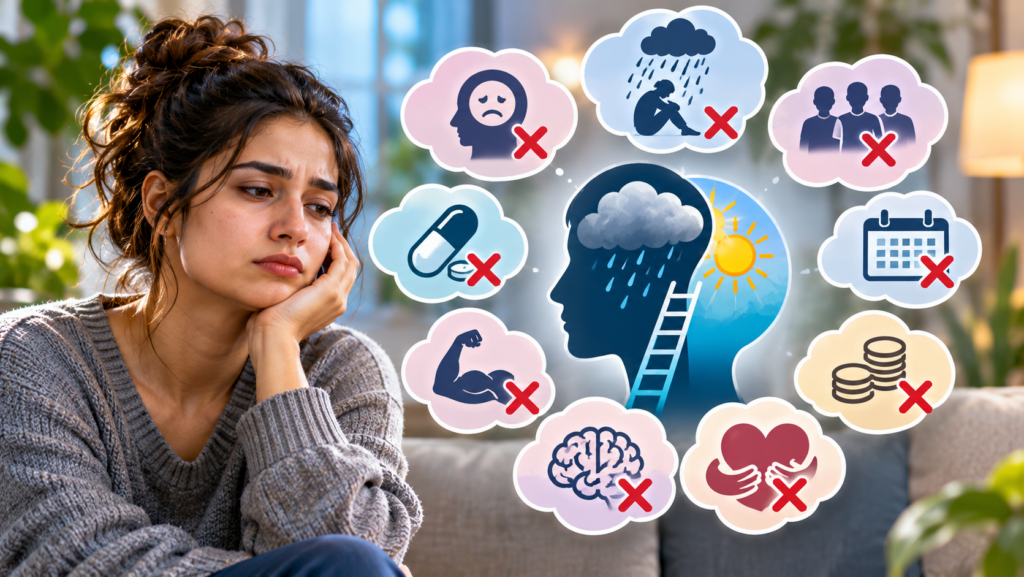
Depression is a genuine mental health condition, not a personal weakness or temporary mood. However, misconceptions often prevent people from recognizing symptoms and seeking help. Understanding the truth behind these beliefs can encourage earlier support, reduce stigma, and help individuals explore appropriate depression treatment options in Cardiff.
Why Do So Many People Believe Myths About Depression?
Depression is frequently misunderstood because its symptoms are not always visible. Someone may appear cheerful, maintain a job, and interact socially while privately experiencing significant emotional distress.
These misunderstandings can make people hesitate before discussing their struggles. Let’s examine ten common myths and the facts that challenge them.
1. Myth: Depression Is Just Feeling Sad
Fact: Depression is a medical mental health condition that involves more than sadness.
Persistent low mood, loss of interest, fatigue, difficulty concentrating, sleep disturbances, and feelings of worthlessness can all be symptoms.
Unlike ordinary sadness, depression can interfere with everyday responsibilities and relationships. Some individuals also experience physical symptoms without immediately recognizing their connection to mental health.
2. Myth: Depression Only Affects People Who Have Difficult Lives
Fact: Depression can affect anyone, regardless of financial stability, relationships, career success, or personal circumstances.
Genetics, brain chemistry, medical conditions, stressful experiences, and psychological factors can contribute to depression.
Someone may have a supportive family and a comfortable lifestyle yet experience persistent depressive symptoms. Comparing personal struggles with someone else’s circumstances rarely helps.
3. Myth: People With Depression Can Simply Think Positively
Fact: Positive thinking alone cannot replace appropriate depression treatment.
Encouragement and healthy thinking habits may support recovery, but depression can affect motivation, concentration, sleep, and emotional regulation.
Telling someone to simply cheer up can make them feel misunderstood. A better approach involves listening without judgment and encouraging professional support when needed.
4. Myth: Depression Is a Sign of Personal Weakness
Fact: Depression is not a character flaw or evidence of insufficient willpower.
People experiencing depression may already struggle with guilt, self-criticism, and feelings of inadequacy. Suggesting that they are weak can increase emotional distress.
Professional treatment helps individuals understand their symptoms and develop practical coping strategies without blaming themselves.
5. Myth: Depression Always Has Obvious Symptoms
Fact: Depression can look different from one person to another.
Some individuals withdraw socially, while others continue working and maintaining relationships despite significant internal struggles.
Irritability, unexplained exhaustion, reduced interest in hobbies, and changes in sleeping patterns may also indicate depression. Paying attention to gradual behavioral changes can help identify when someone needs support.
6. Myth: Talking About Depression Makes It Worse
Fact: Having an honest conversation about depression can help someone feel understood and less isolated.
Avoiding the subject often reinforces shame and discourages people from seeking assistance.
If someone opens up about their experiences, listen patiently. You do not need to solve every problem. Sometimes, giving someone space to speak without interruption is a meaningful form of support.
7. Myth: Medication Is the Only Way to Treat Depression
Fact: Depression treatment can involve several approaches, depending on symptom severity and individual needs.
Psychotherapy, medication, lifestyle adjustments, and structured mental health programs may all have a role.
For example, Cognitive Behavioral Therapy (CBT) helps individuals recognize unhelpful thinking patterns and develop healthier responses. A psychiatrist can determine whether medication is appropriate based on a clinical assessment.
8. Myth: Depression Only Affects Adults
Fact: Depression can affect children, teenagers, and older adults.
Younger individuals may show irritability, declining academic performance, social withdrawal, or changes in behavior rather than openly discussing sadness.
Older adults may experience persistent fatigue, sleep problems, or reduced interest in everyday activities. Recognizing age-related differences can help families seek suitable professional guidance.
9. Myth: Seeking Professional Help Means You Cannot Handle Life
Fact: Seeking mental health support is a constructive decision, not a failure.
Depression can become difficult to manage without professional guidance, particularly when symptoms interfere with work, relationships, or personal safety.
For individuals exploring depression treatment Cardiff options, a qualified mental health professional can assess symptoms and recommend an appropriate level of care.
A private mental health center in California, such as One Path Mental Health in Cardiff by the Sea, offers structured residential mental health treatment for individuals experiencing significant mental health challenges. Residential care may be appropriate when someone requires more intensive clinical support than routine outpatient appointments provide.
10. Myth: Depression Never Gets Better
Fact: Many people experience meaningful improvement with appropriate treatment and ongoing support.
Recovery does not follow the same timeline for everyone. Some individuals improve through psychotherapy, while others benefit from medication, structured treatment, or a combination of approaches.
Setbacks do not automatically mean treatment has failed. Progress may involve better sleep, improved daily functioning, healthier relationships, and greater confidence in managing difficult emotions.
Conclusion
Believing common depression myths can prevent people from recognizing symptoms and accessing appropriate care. Understanding the facts encourages compassion, reduces stigma, and makes conversations about mental health easier.
Exploring depression treatment Cardiff options can be a valuable step toward receiving professional guidance. Whether someone needs therapy, psychiatric support, or structured residential care, the most important takeaway is simple: depression deserves understanding and appropriate treatment, not judgment.
Frequently Asked Questions
When should someone seek professional depression treatment?
Consider professional support when sadness, hopelessness, fatigue, or loss of interest persists and interferes with everyday life. Seek urgent help if symptoms include thoughts of suicide or immediate safety concerns.
Can depression treatment help people with anxiety too?
Yes. Depression and anxiety can occur together, and a mental health professional can assess both conditions. Treatment may include psychotherapy, medication management, and individualized coping strategies.
Is residential depression treatment available in California?
Yes. Residential mental health programs provide structured clinical support for individuals whose needs require a higher level of care. A professional assessment helps determine whether residential or outpatient treatment is appropriate.