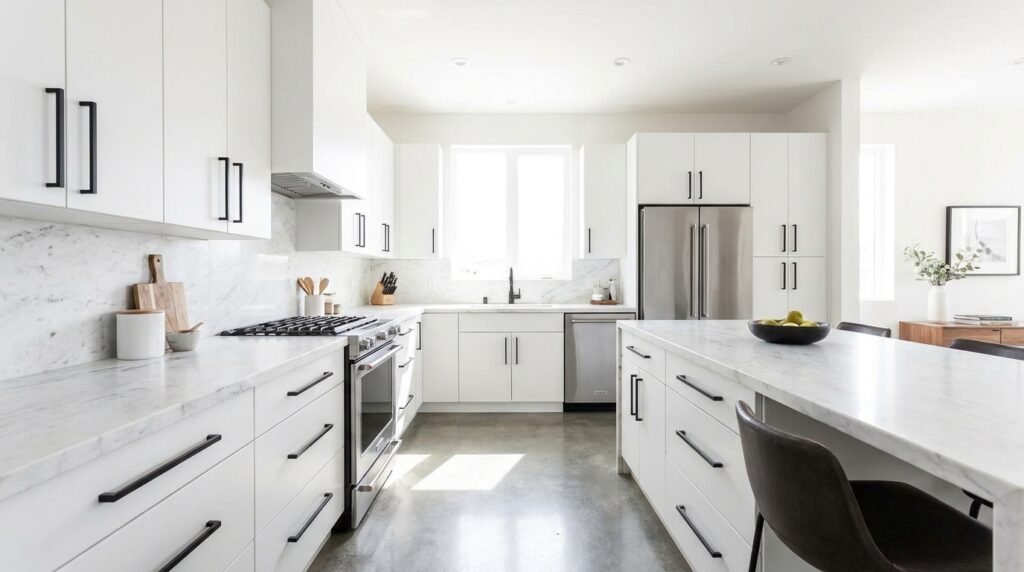
To cover a worktop means applying a new surface layer over your existing kitchen countertop instead of removing and replacing it entirely. Homeowners use this method to refresh worn, outdated, or damaged surfaces without committing to a full renovation.
A cover worktop solution can involve vinyl wraps, laminate sheets, resin coatings, or stone overlays. Each method improves appearance and functionality while keeping the original structure intact.
Unlike a full replacement, covering a worktop reduces labor, avoids plumbing disruption, and significantly lowers renovation costs. Many modern materials mimic premium finishes such as marble, quartz, or granite, allowing homeowners to achieve a high-end look for a fraction of the price.
Why Covering Your Worktop Makes Financial and Practical Sense
Replacing kitchen countertops often costs thousands of dollars when you factor in materials, demolition, and professional installation. In contrast, worktop covering solutions can cost 50–80% less, depending on the material you choose.
Beyond affordability, covering your worktop offers several practical benefits:
- Faster installation, often completed in one day
- Less mess and demolition
- Minimal disruption to plumbing and cabinetry
- Eco-friendly renovation option
According to industry renovation reports, sustainable remodeling continues to grow in popularity. By reusing your existing structure instead of discarding it, you reduce landfill waste and support environmentally conscious home improvement.
Homeowners preparing properties for sale also use worktop covers as a strategic upgrade. A refreshed kitchen surface can significantly increase perceived property value without major investment.
Popular Types of Worktop Covers
Vinyl Wraps and Adhesive Films
Vinyl wraps remain one of the most popular options for covering kitchen worktops. These adhesive films come in a wide range of finishes, including marble, wood grain, concrete, and matte solid colors.
Brands like DC Fix and 3M produce durable vinyl films designed specifically for interior surfaces. High-quality vinyl resists moisture and light heat exposure, making it suitable for most kitchens.
This solution works particularly well for renters or anyone seeking a temporary upgrade. Installation requires precision, but many homeowners successfully complete the project as a DIY makeover.
Laminate Sheets
Laminate sheets offer a thicker and more durable solution compared to vinyl wraps. Retailers such as IKEA, B&Q, and Home Depot provide ready-to-install laminate panels in modern finishes.
Laminate resists scratches better than basic adhesive film and handles moderate heat exposure. When professionally installed, it delivers a seamless appearance similar to factory-finished countertops.
Homeowners seeking durability without investing in stone often prefer laminate resurfacing.
Epoxy Resin Coatings
Epoxy resin coatings create a glossy, high-end finish that mimics marble or polished stone. Products like Rust-Oleum countertop coating kits allow homeowners to apply resin directly over existing laminate surfaces.
Epoxy offers strong water resistance and visual depth. However, it requires careful surface preparation and curing time. Professional installation ensures the best results, especially for larger kitchens.
Quartz and Granite Overlays
Stone overlays involve placing a thin layer of quartz or granite over your current countertop. Unlike full slab replacement, overlays maintain your existing cabinets and layout.
This premium option delivers long-term durability and a luxurious finish. While more expensive than vinyl or laminate, it still costs less than complete countertop removal and replacement.
How to Choose the Right Cover Worktop Solution
Choosing the right solution depends on several factors.
Budget: Vinyl wraps provide the most affordable option. Quartz overlays sit at the higher end of the spectrum.
Kitchen Usage: If you cook frequently and use heavy appliances, prioritize durability and heat resistance. Laminate or stone overlays may suit you better than thin vinyl film.
Design Goals: Consider whether you want a subtle refresh or a dramatic transformation. Marble-effect vinyl creates elegance, while matte concrete finishes support modern industrial styles.
Heat and Moisture Resistance: Kitchens generate steam and high temperatures. Always check product specifications for heat tolerance and waterproof ratings.
DIY vs Professional Installation: Vinyl and some laminate sheets work well for DIY projects. Epoxy coatings and stone overlays typically require skilled installers for long-lasting results.
Step-by-Step: How to Cover a Worktop (DIY Approach)
If you choose a DIY cover worktop solution, follow these steps carefully.
- Prepare the Surface
Clean thoroughly using a degreasing agent. Remove silicone sealant and repair chips or cracks. Sand lightly to improve adhesion. - Measure and Cut Accurately
Measure twice before cutting your material. Allow extra margin for trimming and alignment. - Apply the Covering Material
For vinyl wraps, peel gradually while smoothing with a squeegee to avoid air bubbles. For laminate sheets, apply adhesive evenly before positioning the sheet. - Seal Edges and Joints
Use waterproof sealant around sinks and wall edges. Proper sealing prevents moisture infiltration and prolongs durability.
Take your time during installation. Rushing often leads to visible seams or trapped air pockets.
Common Mistakes to Avoid
Many homeowners skip proper surface preparation. Dust, grease, or uneven surfaces reduce adhesion and cause peeling over time.
Avoid placing hot pans directly on vinyl-covered worktops. Even heat-resistant materials have limits. Always use trivets or protective mats.
Incorrect measurements also lead to wasted material and visible flaws. Careful planning prevents unnecessary expense.
Design Trends in Modern Worktop Covers
Interior design trends in 2026 highlight natural textures and soft matte finishes. Marble-effect surfaces remain popular, but warm wood tones and textured concrete designs are gaining traction.
Sustainable materials and neutral palettes dominate modern kitchens. Many homeowners choose subtle finishes that blend seamlessly with cabinetry and flooring.
Smart renovations now focus on cost-effective upgrades rather than full-scale remodeling, making worktop covering a practical design solution.
Frequently Asked Questions
1. Is covering a worktop durable?
Durability depends on the material used. Quartz overlays and laminate sheets offer strong resistance, while vinyl wraps work best for light to moderate use.
2. Can I cover a damaged worktop?
Yes, but you must repair cracks and level uneven areas before applying any covering material.
3. How long does a worktop cover last?
Vinyl wraps typically last 3–5 years, laminate up to 10 years, and stone overlays significantly longer with proper care.
4. Is covering cheaper than replacing countertops?
In most cases, yes. Covering can reduce costs by more than half compared to full replacement.
5. Can I install a worktop cover myself?
Many vinyl and laminate options support DIY installation. Epoxy and stone overlays usually require professional expertise.
6. Does covering a worktop increase home value?
A refreshed kitchen surface improves visual appeal and may positively influence buyer perception, especially in competitive markets.