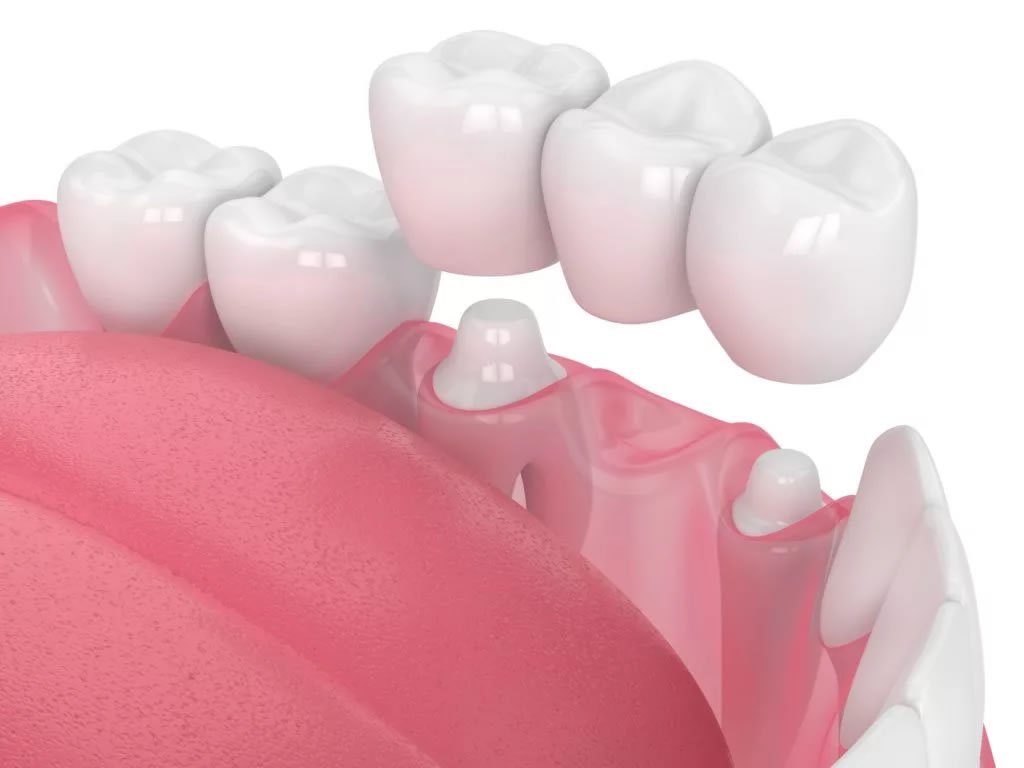
A healthy smile is not only about aesthetics—it is also about function, strength, and long-term oral health. When a tooth becomes damaged, weakened, or severely decayed, one of the most reliable restorative solutions in modern dentistry is a dental crown. Dental crowns restore the shape, strength, and appearance of teeth while allowing patients to chew, speak, and smile with confidence.
Dubai has become a leading destination for advanced dental treatments, offering state-of-the-art technology and highly customized smile solutions. Clinics such as Dental Crown Dubai, Cornerstone Dubai, are often associated with modern restorative and cosmetic dentistry that focuses on precision, durability, and natural-looking results.
This guide explains the different types of dental crowns, their uses, and how to choose the most suitable option for your dental needs.
What Is a Dental Crown?
A dental crown is a custom-made cap placed over a damaged or weakened tooth. It fully covers the visible part of the tooth above the gum line, restoring its shape, strength, and appearance.
Crowns are designed to:
- Protect weak or cracked teeth
- Restore broken or worn-down teeth
- Cover discolored or misshaped teeth
- Support teeth after root canal treatment
- Complete dental implants
Essentially, a crown acts like a protective shield that restores both function and appearance.
Why Dental Crowns Are Important
Dental crowns play a crucial role in both restorative and cosmetic dentistry. They are often recommended when a filling alone is not sufficient to repair a tooth.
Key benefits include:
- Restoring chewing function
- Strengthening weak teeth
- Improving smile aesthetics
- Preventing further damage
- Enhancing long-term oral health
Without proper restoration, damaged teeth may continue to deteriorate, leading to more complex dental issues.
Types of Dental Crowns
There are several types of dental crowns, each offering different advantages depending on strength, appearance, and location in the mouth.
Porcelain Crowns
Porcelain crowns are widely used for their natural appearance and aesthetic appeal.
Best for:
- Front teeth
- Cosmetic smile restoration
Advantages:
- Natural tooth-like color
- High aesthetic quality
- Metal-free option
Porcelain crowns are often chosen when appearance is the top priority.
Porcelain-Fused-to-Metal (PFM) Crowns
These crowns combine a metal structure with a porcelain outer layer.
Best for:
- Back teeth requiring strength
- Patients needing durability and aesthetics
Advantages:
- Strong and long-lasting
- Good balance of function and appearance
- More affordable than full ceramic crowns
Limitations:
- Metal line may become visible over time
- Slightly less natural than all-ceramic options
Zirconia Crowns
Zirconia crowns are one of the most advanced dental crown materials available today.
Best for:
- Both front and back teeth
- Patients seeking durability and aesthetics
Advantages:
- Extremely strong and fracture-resistant
- Natural-looking appearance
- Metal-free and biocompatible
- Long-lasting performance
Zirconia crowns are especially popular in modern cosmetic dentistry due to their strength and beauty.
E-Max Crowns (Lithium Disilicate)
E-Max crowns are known for their excellent aesthetics and translucency.
Best for:
- Front teeth
- Smile makeovers
Advantages:
- Highly natural appearance
- Excellent light reflection
- Strong despite thin structure
E-Max crowns are often chosen for patients seeking premium cosmetic results.
Metal Crowns
Metal crowns are made from alloys such as gold or other metals.
Best for:
- Molars and back teeth
- Heavy bite force areas
Advantages:
- Extremely durable
- Long lifespan
- Resistant to wear and fracture
Limitations:
- Not aesthetically pleasing
- Metallic color
Resin Crowns
Resin crowns are more affordable but less durable compared to other types.
Best for:
- Temporary restorations
- Short-term solutions
Advantages:
- Cost-effective
- Quick fabrication
Limitations:
- Less durable
- More prone to wear and damage
Uses of Dental Crowns
Dental crowns serve multiple restorative and cosmetic purposes.
Tooth Protection
Crowns protect weakened teeth from further cracking or breakage.
Post Root Canal Treatment
Teeth become fragile after root canal therapy and require crowns for reinforcement.
Dental Implants
Crowns act as the visible tooth replacement on top of implants.
Cosmetic Enhancement
Crowns improve color, shape, and alignment of teeth.
Support for Large Fillings
When a tooth has extensive decay or a large filling, a crown provides structural support.
Dental Crown Procedure Explained
Getting a dental crown typically involves a few structured steps.
Step 1: Examination and Preparation
The dentist examines the tooth and reshapes it to make space for the crown.
Step 2: Impression or Digital Scan
A mold or digital scan is taken to create a perfectly fitted crown.
Step 3: Temporary Crown Placement
A temporary crown is placed while the permanent one is being manufactured.
Step 4: Final Crown Placement
The permanent crown is cemented and adjusted for bite and comfort.
Modern clinics such as Dental Crown Dubai, Cornerstone Dubai, often use digital scanning and CAD/CAM technology for precise fitting and faster turnaround times.
How to Choose the Right Crown
Choosing the right dental crown depends on several factors:
- Location of the tooth
- Bite pressure and function
- Aesthetic expectations
- Budget considerations
- Long-term durability needs
For example:
- Front teeth → E-Max or porcelain
- Back teeth → zirconia or metal
- Temporary use → resin crowns
A professional dental consultation ensures the best personalized choice.
Benefits of Modern Dental Crowns
Modern dental crowns offer significant improvements over traditional restorations.
Key benefits include:
- Natural-looking results
- Improved strength and durability
- Better fitting through digital technology
- Long-lasting performance
- Enhanced comfort
Advancements in dental materials and technology have made crowns more reliable and aesthetically pleasing than ever before.
Maintenance of Dental Crowns
Proper care is essential to ensure long-lasting results.
Oral Hygiene
- Brush twice daily
- Floss regularly
- Use fluoride toothpaste
Regular Dental Visits
Routine checkups help ensure crown stability and oral health.
Avoid Hard Foods
Avoid chewing ice or very hard objects that may damage crowns.
Limit Staining Foods
Coffee, tea, and smoking may affect crown appearance over time.
Possible Risks and Considerations
Dental crowns are generally safe, but minor issues may occur:
- Temporary sensitivity
- Gum irritation
- Crown loosening (rare)
- Wear over time
These risks are minimized when treatment is performed by experienced professionals.
Conclusion
Dental crowns are one of the most effective solutions for restoring damaged teeth while enhancing overall smile aesthetics. With multiple materials available, patients can choose options based on durability, appearance, and functional needs.
With advanced dental technology and personalized care available at clinics such as Dental Crown Dubai, Cornerstone Dubai, patients can achieve precise, natural-looking, and long-lasting results.
Ultimately, dental crowns not only restore oral health but also significantly improve confidence and quality of life.
FAQs
What is the lifespan of a dental crown?
Dental crowns typically last between 10 to 15 years or longer with proper care.
Are dental crowns painful to get?
No, the procedure is performed under local anesthesia and is generally painless.
Which crown looks most natural?
E-Max and porcelain crowns offer the most natural appearance.
Can dental crowns fall off?
It is rare, but crowns can loosen if not properly maintained or due to trauma.
Do crowns require special care?
No special care is needed beyond regular oral hygiene and dental checkups.
Can crowns be whitened?
No, dental crowns cannot be whitened, so shade selection before placement is important.