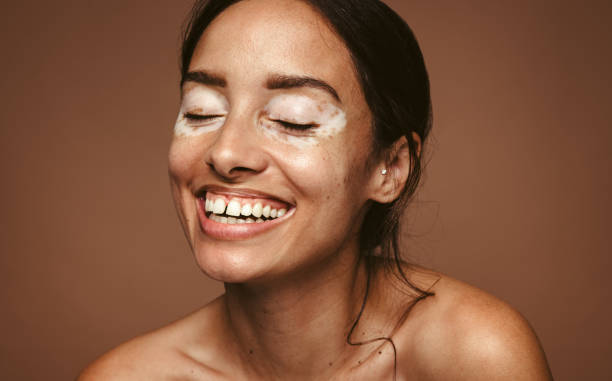
Vitiligo is a skin condition characterized by the loss of pigment, leading to white patches appearing on various parts of the body. This condition can develop at any age, and its progression varies from person to person. Many individuals with vitiligo wonder if treatment options are effective for older patches that have been present for years. When considering Vitiligo treatment in Abu Dhabi, it’s natural to ask whether these treatments can reverse or improve patches that have persisted for a long time.
Understanding the Nature of Old Patches
How Vitiligo Patches Change Over Time
Old patches of vitiligo are often more challenging to treat because the skin’s pigment-producing cells, called melanocytes, may be entirely depleted in those areas. Over time, the patches can become more stable, but that doesn’t necessarily mean they are impossible to improve. The skin in these areas can sometimes respond favorably to targeted treatments, depending on various factors, including skin type and the duration of the patches.
Why Old Patches Are Considered Difficult to Treat
The main reason old patches are more difficult to treat is that the melanocyte cells may have been lost or destroyed completely. As a result, restoring color requires stimulating new melanocyte growth or repigmentation processes, which can be more complex in longstanding patches. Nonetheless, advancements in vitiligo treatment in Abu Dhabi have made it possible for some individuals to see positive changes even in older patches.
Treatment Options Available for Old Patches
Phototherapy and Light-Based Treatments
Phototherapy, especially narrowband UVB therapy, is a common approach used in vitiligo treatment in Abu Dhabi. It involves exposing the skin to specific wavelengths of ultraviolet light, which can stimulate melanocyte activity and encourage repigmentation. Older patches may respond to phototherapy, especially if the patches are not completely devoid of melanocytes.
Topical Treatments and Medications
While topical treatments are often used in conjunction with other therapies, they can help enhance the effects of phototherapy. These include corticosteroids and calcineurin inhibitors, which can reduce inflammation and potentially promote repigmentation. For longstanding patches, consistent application over time may lead to gradual improvement.
Surgical and Procedural Approaches
In some cases, surgical options such as skin grafts or melanocyte transplants are considered, especially for persistent old patches resistant to other treatments. Such procedures aim to introduce pigment-producing cells directly into the depigmented areas, which can be effective for some individuals.
Factors Influencing Treatment Success for Old Patches
Duration of the Patches
The length of time a patch has been present plays a significant role in treatment outcomes. Generally, the shorter the duration, the better the chances of successful repigmentation. However, even longstanding patches can respond positively with the right combination of treatments.
Skin Type and Response
Individual differences, including skin type and sensitivity, can influence how well a patch responds to treatment. Some skin types may respond more quickly or more effectively to therapies, even in older patches.
Consistency and Patience
Success in treating old patches often requires patience and consistent application of therapies. Regular sessions and adherence to treatment protocols increase the likelihood of seeing visible improvements.
Realistic Expectations from Treatment
Improvement, Not Always Complete Repigmentation
While some individuals may experience significant repigmentation of old patches, others might see only partial improvement. It’s important to have realistic expectations and understand that treatment outcomes vary widely.
Timeframe for Noticeable Changes
Changes in old patches may take several months of consistent treatment. Patience is essential, and gradual improvements can be encouraging signs of progress.
Common Questions About Treating Old Patches
Can Old Patches Be Completely Restored?
Complete restoration of old patches is possible in some cases, but it is not guaranteed. Many factors influence the outcome, including the extent of melanocyte loss and the type of treatment used.
Is It Worth Starting Treatment for Old Patches?
Yes, it can be worthwhile. Even partial repigmentation can improve the appearance of the skin and boost confidence. Consulting with a specialist can help determine the best approach tailored to individual needs.
Are There Any Limitations to Treating Old Patches?
While many treatments can improve old patches, some limitations are inherent due to the extent of melanocyte loss. Not all patches will respond equally, and some may require ongoing maintenance or alternative approaches.
Conclusion
Vitiligo treatment in Abu Dhabi offers hope for individuals seeking to improve their skin’s appearance, even for old patches that have persisted for years. Advances in therapy options have increased the chances of achieving positive results, though success depends on various factors such as the duration of patches, skin type, and consistency in treatment. While complete restoration may not always be possible, many patients experience meaningful improvements that enhance their confidence and quality of life. Those considering treatment should consult experienced specialists to develop a personalized plan, keeping in mind the potential for gradual progress over time.
READ MORE : Can Vitiligo Treatment Restore Skin Color Fast?