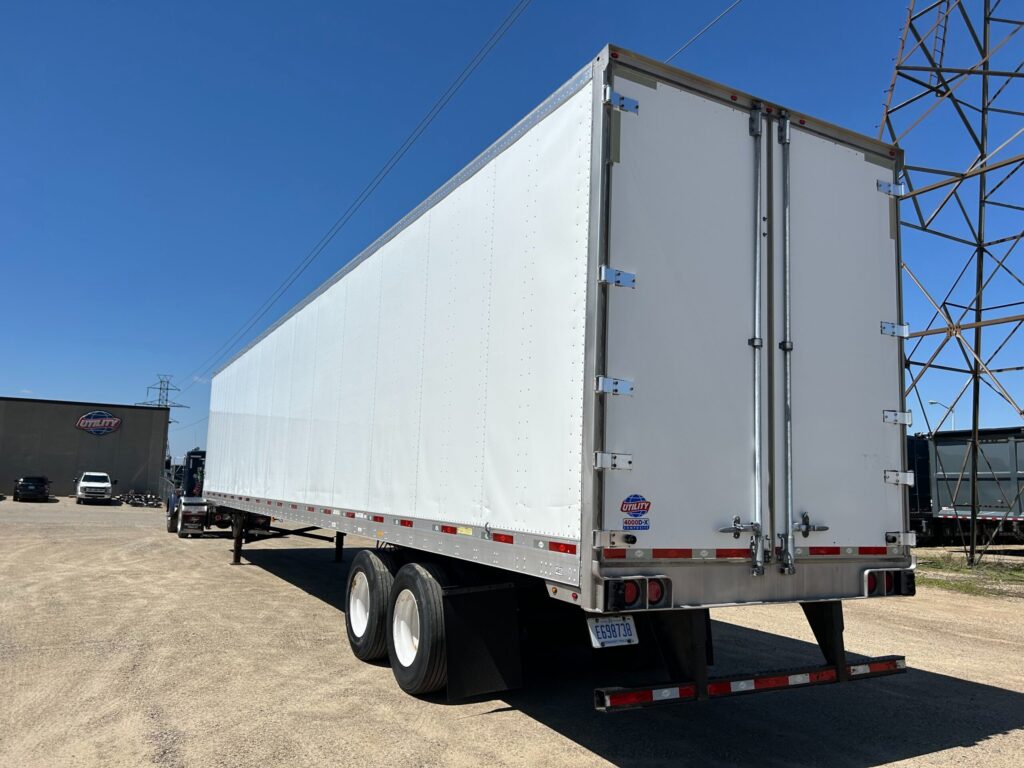
The trucking industry remains the backbone of domestic freight transportation in the United States. From consumer goods and retail inventory to industrial materials and packaged products, millions of shipments move daily through a vast transportation network. Among the most widely used freight solutions is dry van dispatch service, a critical component that helps carriers, owner-operators, and shippers coordinate freight efficiently.
Dry van trucking accounts for a significant share of freight transportation because it provides a practical solution for moving non-perishable, palletized, and weather-sensitive goods. While the trailer itself often receives most of the attention, the dispatch process behind the scenes plays an equally important role in keeping freight moving on schedule.
Understanding Dry Van Trucking and Its Role in Freight Transportation
Dry van trucking refers to the transportation of goods using enclosed trailers designed to protect cargo from weather, road debris, and external conditions. These trailers are commonly used to haul packaged consumer products, furniture, electronics, household goods, automotive parts, and many other freight categories.
Unlike refrigerated trailers that require temperature control or flatbeds designed for oversized cargo, dry vans offer a straightforward and versatile transportation solution. Their flexibility makes them one of the most frequently requested trailer types across the freight industry.
Because of this widespread demand, carriers often rely on a steady flow of dry van loads to maintain profitable operations and reduce equipment downtime.
How Dispatch Services Help Carriers Find and Manage Freight
Finding freight is only one part of running a successful trucking operation. Drivers and carriers must also negotiate rates, coordinate appointments, communicate with brokers, handle paperwork, and monitor delivery schedules.
A dispatch service helps organize these responsibilities by serving as a communication bridge between carriers and freight opportunities. Rather than spending valuable driving hours searching load boards, carriers can focus on transportation while dispatch professionals manage logistics and scheduling.
The process generally includes:
- Identifying suitable freight opportunities
- Coordinating pickup and delivery appointments
- Communicating with brokers and shippers
- Tracking shipment progress
- Managing documentation requirements
- Assisting with route planning
This support can be especially valuable for independent owner-operators who manage multiple operational responsibilities on their own.
Dry Van Dispatch Service and Freight Market Efficiency
Why Dry Van Dispatch Service Matters
The transportation industry depends on timing, coordination, and visibility. A missed appointment or delayed communication can affect multiple parties throughout the supply chain.
A reliable dry van dispatch service helps improve operational efficiency by matching available trucks with appropriate freight opportunities while maintaining communication between stakeholders.
Consider a common scenario involving a small fleet operating across multiple states. Without structured dispatch support, drivers may spend hours searching for available freight after completing deliveries. During that period, trucks remain idle and revenue-generating opportunities are lost.
With organized dispatch coordination, carriers can often secure their next shipment before completing the current one, helping reduce empty miles and unnecessary downtime.
This level of coordination becomes increasingly important during seasonal shipping periods when freight demand fluctuates rapidly.
The Importance of Dry Van Freight Loads in Supply Chains
Modern supply chains depend heavily on consistent freight movement. Retailers need inventory replenishment, manufacturers require raw materials, and distributors rely on predictable transportation schedules.
Dry van freight loads represent a large portion of this activity because many products do not require specialized equipment. Common examples include:
- Packaged food products
- Consumer electronics
- Clothing and apparel
- Household supplies
- Office equipment
- Automotive components
- Building materials that do not require open-deck transport
When these shipments move efficiently, businesses can maintain inventory levels and meet customer expectations. Delays, on the other hand, can create disruptions throughout the supply chain.
Dispatch professionals help minimize these challenges by maintaining shipment visibility and supporting communication between all parties involved in the transportation process.
Common Challenges Faced by Dry Van Carriers
Although dry van transportation is one of the most accessible sectors of trucking, carriers still encounter several operational challenges.
Freight Availability
Freight demand can vary by region and season. Some markets experience strong outbound freight volume, while others may have limited opportunities.
Rate Volatility
Transportation rates fluctuate based on supply, demand, fuel costs, and broader economic conditions. Understanding market trends helps carriers make informed decisions about load selection.
Empty Miles
Driving without freight remains one of the largest expenses for carriers. Strategic load planning helps reduce unnecessary repositioning.
Administrative Work
Managing invoices, confirmations, broker communications, and compliance paperwork requires significant time and attention.
Effective dispatch coordination helps address many of these challenges by creating greater operational structure and improving freight planning.
Technology’s Growing Impact on Dry Van Transportation Services
Technology continues to reshape the trucking industry. Modern transportation management systems, GPS tracking tools, electronic logging devices, and freight marketplaces have improved visibility across freight networks.
Dispatch professionals increasingly use digital platforms to monitor shipments, identify available freight, and communicate with drivers in real time.
Benefits of technology-driven dispatch operations include:
- Faster load matching
- Improved shipment tracking
- Enhanced communication
- Better route planning
- Reduced administrative delays
- Increased operational transparency
As freight networks become more connected, technology is expected to play an even larger role in supporting efficient dry van transportation services throughout the country.
Industry Expertise and the Human Element
While technology has improved many aspects of freight coordination, transportation remains a people-driven industry. Relationships with brokers, shippers, carriers, and drivers continue to influence freight opportunities and operational success.
Experienced dispatch professionals understand regional freight patterns, seasonal demand changes, and market conditions that automated systems may not fully capture.
Companies such as EverMark Dispatchers operate within this environment by helping carriers navigate the day-to-day coordination required to keep freight moving efficiently. Across the broader trucking industry, this type of support remains an important operational resource for many owner-operators and small fleets.
Conclusion
The success of modern freight transportation depends on more than trucks and trailers alone. Effective communication, planning, and coordination are equally important components of a reliable logistics network.
From securing dry van loads to managing schedules and reducing downtime, dispatch operations help support the movement of freight across the United States. As supply chains continue evolving, the role of the dry van dispatch service will remain an essential part of helping carriers, shippers, and brokers maintain efficient freight operations while meeting the growing demands of the transportation industry.