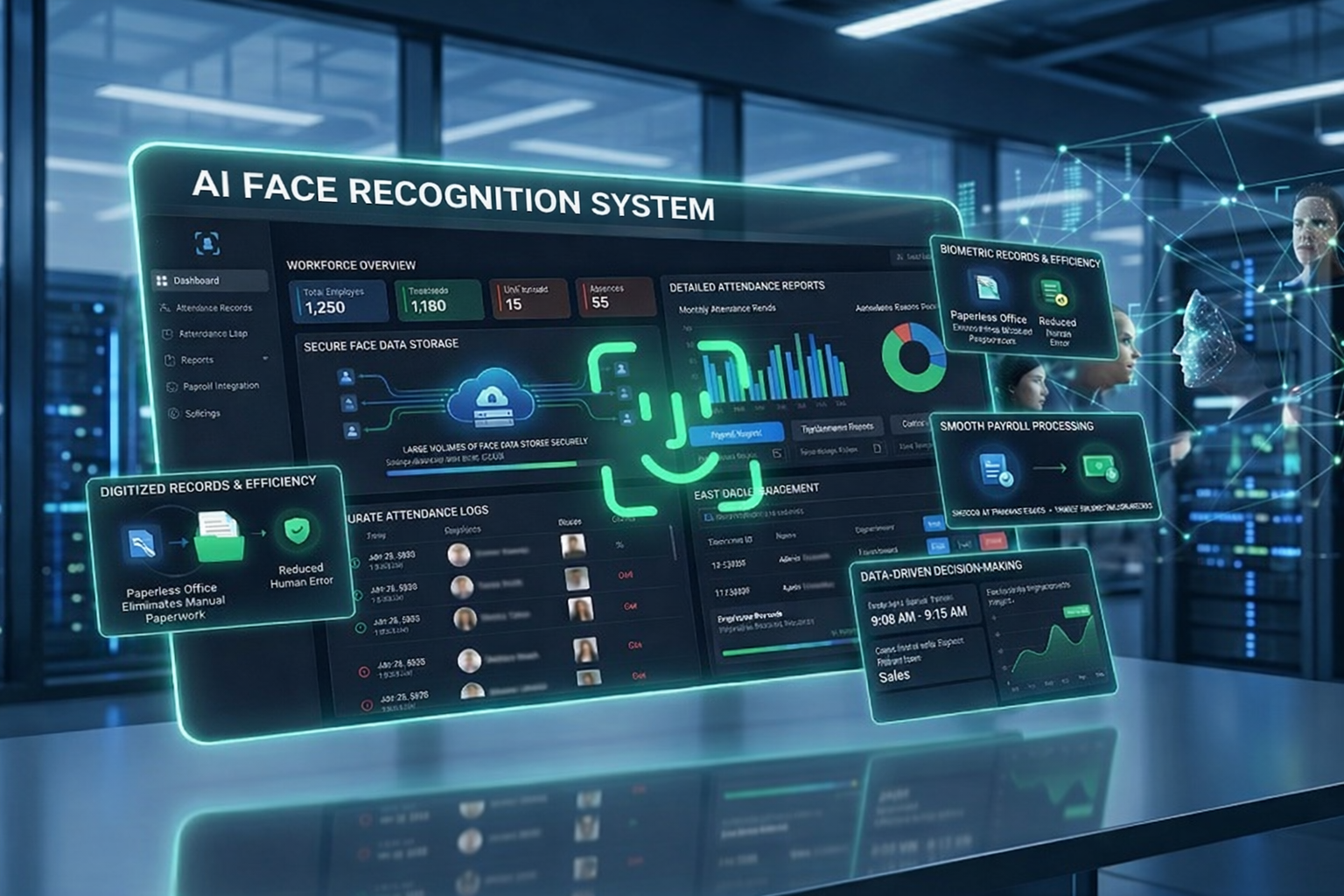
In today’s digital-first business environment, organizations are constantly seeking smarter ways to manage employee operations. Attendance tracking, once a routine administrative task, has now become a strategic function that impacts productivity, payroll accuracy, and compliance. With rapid technological advancements, companies are moving beyond traditional systems and adopting intelligent solutions like the face biometric attendance system to streamline workforce management efficiently.
Why Traditional Attendance Methods Fall Short
Manual registers, punch cards, and even fingerprint devices have long been used to record employee attendance. However, these methods often come with several limitations. They are prone to human error, require physical interaction, and can be manipulated through practices like buddy punching. Additionally, maintaining and managing these systems can become time-consuming as the organization grows.
Businesses today need solutions that are not only accurate but also scalable and easy to use. The shift toward automation is driven by the need for real-time data, improved transparency, and seamless integration with other business systems.
Understanding Facial Recognition in Attendance
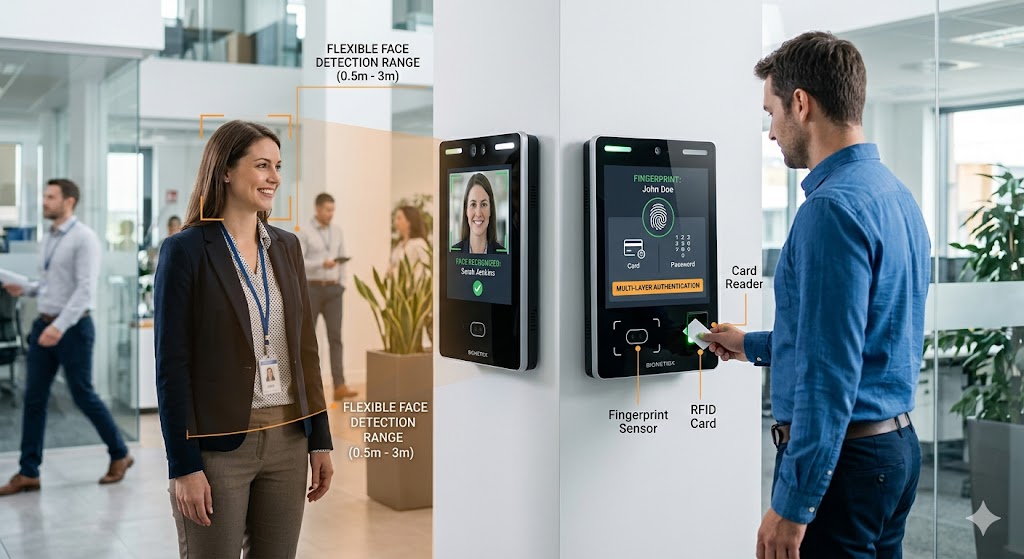
Facial recognition technology works by identifying unique facial features and matching them with stored data. When an employee registers, their facial profile is securely stored in the system. During attendance marking, the system scans the face and verifies identity within seconds.
The face biometric attendance system uses advanced algorithms to ensure high accuracy, even when there are minor changes in appearance such as different lighting conditions, hairstyles, or accessories. This makes it a reliable solution for modern workplaces where speed and precision are essential.
Key Advantages for Modern Organizations
1. High Accuracy and Reliability
Facial recognition ensures that attendance data is precise and tamper-proof. Since each individual has unique facial features, duplication or manipulation is nearly impossible.
2. Contactless Operation
In a world increasingly focused on hygiene and safety, contactless systems offer a significant advantage. Employees can mark attendance without touching any device, reducing health risks and improving workplace safety.
3. Elimination of Proxy Attendance
One of the major issues with traditional systems is the possibility of employees marking attendance for others. Facial recognition completely removes this risk, ensuring that only the actual employee can record their presence.
4. Faster Check-In Process
The system allows employees to mark attendance within seconds, eliminating long queues and saving valuable time during peak hours.
Seamless Integration with Business Systems
Modern attendance solutions are designed to integrate effortlessly with HR and payroll platforms. This integration ensures that attendance data directly impacts salary calculations, leave management, and performance analysis.
By connecting with other systems, organizations can automate multiple processes, reducing manual intervention and minimizing errors. This not only improves efficiency but also enhances overall operational transparency.
Data Security and Privacy Considerations
Handling employee data requires a high level of responsibility. Facial recognition systems are built with strong security protocols, including encryption and restricted access controls. These measures ensure that sensitive information is protected from unauthorized access.
Organizations must also maintain transparency about how data is collected, stored, and used. Clear communication helps build trust among employees and ensures compliance with data protection regulations.
Scalability for Growing Businesses
As businesses expand, their operational needs evolve. Attendance systems must be flexible enough to handle increasing employee numbers and multiple locations. Cloud-based facial recognition solutions provide the scalability required for modern organizations.
The face biometric attendance system can easily adapt to different industries, including corporate offices, manufacturing units, educational institutions, and healthcare sectors. Its flexibility makes it a valuable investment for long-term growth.
Cost Efficiency and Long-Term Benefits
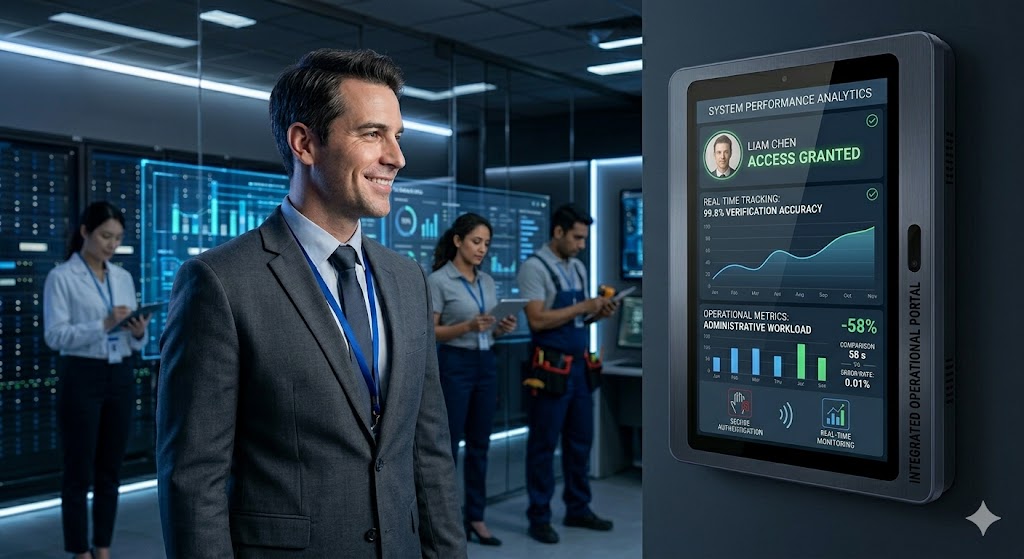
While the initial investment in facial recognition technology may seem higher than traditional systems, the long-term benefits outweigh the costs. Automation reduces administrative workload, minimizes errors, and improves productivity.
Organizations also save money by preventing time theft and ensuring accurate payroll processing. Over time, the system contributes to better resource management and overall cost efficiency.
Best Practices for Implementation
To maximize the benefits of facial recognition attendance systems, organizations should follow a structured approach:
- Select a solution that aligns with business requirements
- Ensure proper employee onboarding and data registration
- Provide training for smooth adoption
- Establish clear data privacy policies
These steps help in achieving a successful implementation while ensuring employee acceptance.
The Future of Attendance Management
The future of attendance systems lies in intelligent automation and data-driven insights. Technologies such as artificial intelligence and cloud computing are expected to further enhance the capabilities of attendance solutions.
Features like remote attendance tracking, mobile integration, and predictive analytics will continue to evolve, making workforce management more efficient and strategic.
Conclusion
The evolution of attendance tracking reflects the broader shift toward digital transformation in businesses. Modern solutions offer accuracy, convenience, and security, making them essential for today’s organizations. By adopting advanced technologies, companies can improve efficiency, enhance employee experience, and stay competitive in a rapidly changing environment.