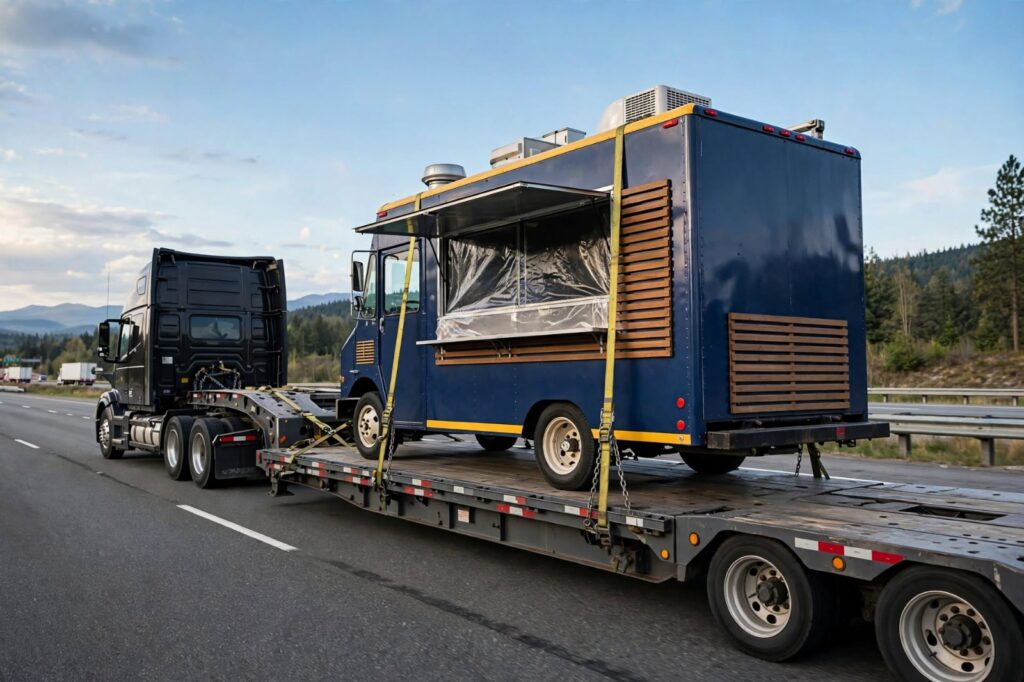
Expanding a mobile food business into another city or state can create exciting opportunities for entrepreneurs. Whether you are attending a major food festival, opening a second location, joining a seasonal event, or relocating your business permanently, moving your food truck requires careful planning. Food truck transport helps business owners move their mobile kitchens over long distances without having to drive the vehicle themselves. With support from Rapid Auto Shipping, entrepreneurs can explore vehicle shipping options that fit their relocation plans and business schedules.
Taking Your Food Business Beyond Familiar Streets
A successful food truck business often depends on reaching new customers. Moving into a different market can introduce your menu to fresh audiences, but transporting your vehicle presents practical challenges. Food trucks may be larger, heavier, or taller than standard passenger vehicles because of their kitchens, equipment, storage areas, and custom installations.
Before arranging transportation, evaluate your truck’s dimensions, overall weight, operating condition, and any permanently installed equipment. These details help determine which carrier and loading arrangements may be suitable.
For entrepreneurs traveling across the United States, arranging professional transportation can also reduce the time spent driving long distances. Instead of managing a lengthy road trip, owners can concentrate on permits, event registrations, inventory, staffing, and customer outreach.
Choosing a Transport Method That Fits Your Truck
Not every food truck can travel using the same shipping arrangement. The right option depends on the vehicle’s specifications, condition, destination, and delivery requirements.
- Open transport: Depending on the truck’s dimensions and weight, an appropriate open carrier may offer a practical solution for moving certain food trucks. Vehicle exposure to weather and road conditions should be considered.
- Specialized equipment: Oversized, unusually tall, or heavy food trucks may require specialized trailers or other arrangements. Confirm equipment compatibility before booking.
- Expedited shipping: Entrepreneurs working toward a festival opening or a scheduled launch may consider expedited transportation, subject to carrier availability, route coverage, and the truck’s specifications.
- Enclosed transport: Enclosed shipping may be suitable for certain vehicles, but many food trucks exceed standard enclosed carrier limits. Verify dimensions and equipment availability before selecting this option.
Rapid Auto Shipping can help customers explore vehicle shipping arrangements based on their transportation requirements. Always confirm that the selected carrier can accommodate the complete food truck, including permanently installed equipment and modifications.
What Influences the Cost of Food Truck Transport?
Transportation expenses can affect the budget for a new business location. Understanding the main pricing factors helps entrepreneurs plan their expansion more effectively.
- Distance and route: Longer journeys generally involve greater fuel, labor, and operating expenses. Routes between major cities may offer different carrier options than remote destinations.
- Vehicle dimensions and weight: A large food truck may require more trailer space or specialized loading equipment than a conventional vehicle. Height, width, weight, and ground clearance can all affect the available transport options.
- Vehicle condition: Trucks that cannot start, steer, or brake independently may need additional loading arrangements. Inform the transportation provider about mechanical problems before requesting a quote.
- Pickup and delivery access: Narrow streets, low bridges, restricted commercial areas, and limited loading space can complicate collection or delivery. A nearby accessible location may be necessary.
- Scheduling requirements: Tight deadlines, seasonal demand, and limited carrier availability may influence the final price.
When requesting a quote from Rapid Auto Shipping, provide accurate vehicle details, pickup and delivery locations, and your preferred dates. Compare the quoted services, insurance arrangements, and delivery expectations rather than choosing a provider based on price alone.
Preparing Your Mobile Kitchen Before Pickup
A little preparation can help prevent delays and make the handover easier. Food trucks contain equipment and systems that require special attention before transportation.
- Remove food and perishables. Clear out inventory and any items that could spoil, spill, or attract pests during transit.
- Secure kitchen equipment. Fasten loose appliances, utensils, storage containers, and removable fixtures. Ask the carrier how permanently installed equipment should be handled.
- Check propane and fuel systems. Inform the carrier about propane tanks, generators, fuel supplies, and other potentially hazardous equipment. Follow the carrier’s instructions and applicable safety requirements.
- Document the vehicle’s condition. Photograph the exterior, interior, existing scratches, and visible damage before pickup.
- Verify measurements. Record the truck’s actual height, width, length, and weight, including rooftop vents, signs, awnings, and other modifications.
- Prepare the paperwork. Keep registration details, identification, shipping confirmation, and any required transport documents available.
These steps help the carrier assess the shipment and reduce the likelihood of unexpected complications.
Expanding Into a New Market Without Losing Momentum
A food truck relocation involves more than moving a vehicle from one address to another. Entrepreneurs should coordinate transportation with local business licensing, health department requirements, parking permissions, event schedules, and utility arrangements at the destination.
For example, a business moving from California to Texas may need to coordinate vehicle delivery with local operating approvals and a new customer launch. A truck heading to a summer festival may require an earlier pickup date to allow time for setup and inspections.
Build flexibility into your schedule instead of assuming the truck will arrive at an exact time. Confirm pickup arrangements, delivery estimates, communication procedures, and contingency plans with the transportation provider.
With Rapid Auto Shipping, business owners can explore vehicle shipping solutions for interstate moves and other relocation needs. Planning transportation early gives entrepreneurs more time to focus on the business decisions that make expansion successful.
Make Your Next Business Move Count
Entering a new market can be an important milestone for a food truck entrepreneur. Careful preparation, realistic scheduling, and the right transportation arrangement can help make the transition more manageable. By reviewing vehicle requirements and comparing shipping options, business owners can plan their relocation with greater confidence.
Rapid Auto Shipping helps customers explore vehicle transportation options for moves across the United States. Before booking, confirm that the selected carrier can safely accommodate your food truck’s size, weight, equipment, and delivery requirements.
Frequently Asked Questions
- How much does food truck transport cost?
The price depends on distance, truck dimensions, weight, mechanical condition, route accessibility, carrier requirements, and delivery timing. Request a customized quote using accurate vehicle information.
- Can I transport a fully equipped food truck?
Potentially, yes, but acceptance depends on the carrier’s equipment limits, truck dimensions, weight, and the contents being transported. Food, loose items, fuel, propane, and certain appliances may require removal or special handling.
- How long does food truck transport take?
Transit time varies with the distance, route, carrier availability, weather, and scheduling requirements. Ask for a realistic delivery estimate before confirming your booking.
- Can a non-running food truck be shipped?
Some non-running food trucks can be transported if suitable loading equipment is available. Disclose any engine, steering, or braking problems before arranging transportation.
- Why should entrepreneurs compare food truck shipping providers?
Comparing providers helps business owners evaluate equipment suitability, pricing, insurance coverage, communication, and scheduling. These factors are particularly important when transportation must align with an opening date or event.