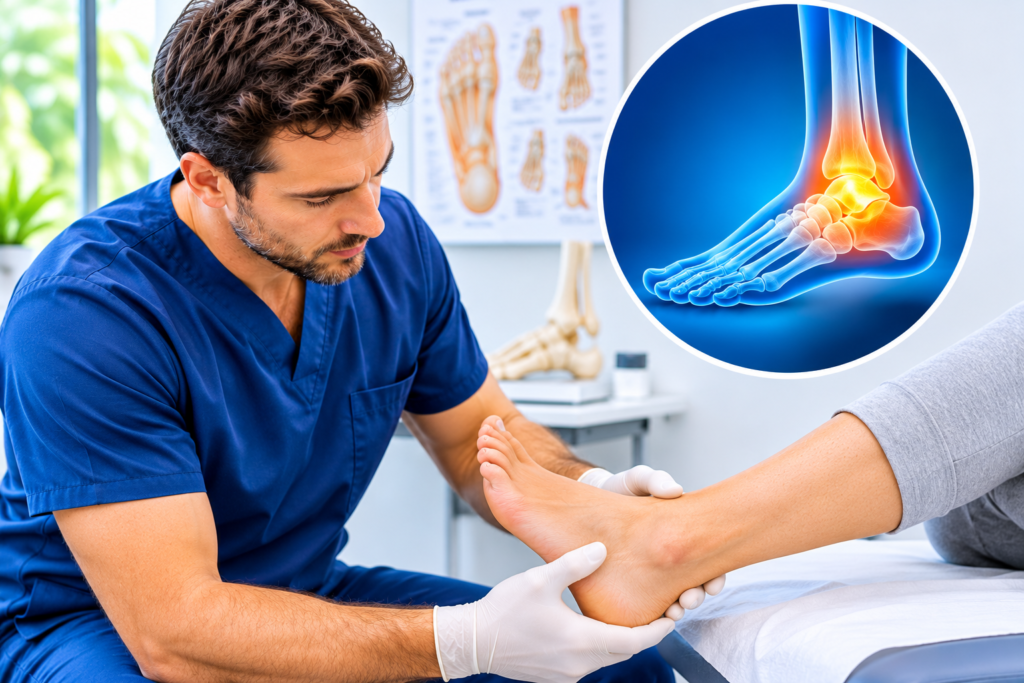
Foot pain and ankle problems can make everyday activities such as walking, running, standing and exercising difficult. Whether caused by an injury, joint condition or structural deformity, foot problems can affect mobility and overall quality of life.
For individuals experiencing persistent foot or ankle problems, finding appropriate foot surgery in Cayman can be an important step towards improving mobility and managing discomfort.
Island Orthopaedics provides specialised orthopaedic services in Grand Cayman, including foot and ankle care. Its orthopaedic team offers assessment and treatment options for various conditions affecting the bones, joints, tendons and ligaments of the foot and ankle.
Understanding Common Foot and Ankle Conditions
The foot and ankle contain numerous bones, joints, muscles, tendons and ligaments that work together to support body weight and movement.
Injuries or structural problems involving these structures can cause pain, swelling, stiffness and difficulty walking.
Some common foot and ankle conditions include:
- Bunions: A bunion is a bony prominence that develops near the base of the big toe, sometimes causing pain and difficulty wearing shoes.
- Plantar Fasciitis: This condition involves irritation of the plantar fascia, often resulting in heel pain, particularly during the first steps in the morning.
- Achilles Tendon Injuries: The Achilles tendon connects the calf muscles to the heel bone and can become inflamed, damaged or ruptured.
- Ankle Ligament Injuries: Sprains and ligament damage can cause swelling, pain and instability around the ankle.
- Foot Fractures: Broken bones in the foot may result from accidents, sports injuries or repetitive stress.
- Hammertoes: This condition causes abnormal bending of one or more toes and may lead to discomfort or difficulty wearing footwear.
- Ankle Arthritis: Wear and damage to the ankle joint can cause stiffness, pain and reduced movement.
Early assessment by an orthopaedic specialist can help identify the cause of symptoms and determine the most appropriate treatment.
When Is Foot Surgery Necessary?
Not every foot or ankle condition requires surgery. Many patients can manage their symptoms through conservative treatments, depending on the underlying diagnosis.
Non-surgical treatment options may include:
- Physiotherapy and rehabilitation.
- Custom orthotics and supportive footwear.
- Activity modification.
- Appropriate pain management.
- Anti-inflammatory medication when suitable.
- Bracing or immobilisation.
Surgery may be considered when conservative treatments do not provide sufficient relief, when a significant injury requires repair, or when a structural problem affects normal mobility.
An orthopaedic surgeon will evaluate the patient’s condition, medical history and diagnostic imaging before recommending an appropriate treatment plan.
Common Types of Foot and Ankle Surgery
Modern orthopaedic surgery offers different procedures to address specific foot and ankle conditions.
1. Bunion Surgery
Bunion surgery, also known as hallux valgus correction, aims to correct the abnormal alignment of the big toe.
Depending on the severity of the deformity, the procedure may involve repositioning bones, correcting joint alignment or using specialised fixation devices.
2. Ankle Arthroscopy
Ankle arthroscopy is a minimally invasive procedure that uses a small camera and specialised instruments to examine and treat problems inside the ankle joint.
It may be used for selected conditions involving cartilage damage, bone spurs, loose fragments and ankle impingement.
3. Achilles Tendon Repair
A ruptured Achilles tendon can significantly affect walking and physical activity.
Surgical repair may be recommended in selected cases to restore tendon continuity and improve ankle function.
4. Ankle Ligament Reconstruction
Repeated ankle sprains can sometimes lead to chronic instability.
Ankle ligament reconstruction may be considered when damaged ligaments fail to provide sufficient joint support and non-surgical treatment has not been effective.
5. Plantar Fascia Release
For selected patients with persistent plantar fasciitis that has not improved with appropriate conservative treatment, surgical release may be considered.
6. Ankle Fusion Surgery
Ankle fusion, also called ankle arthrodesis, is a procedure used in selected cases of advanced ankle arthritis.
The procedure joins the bones forming the damaged joint to reduce painful movement and improve stability.
The appropriate procedure depends on the patient’s diagnosis, symptoms and overall health.
What to Expect Before Foot Surgery
Before recommending surgery, an orthopaedic specialist conducts a detailed assessment to understand the patient’s condition.
The evaluation may include:
- Reviewing medical history and symptoms.
- Physical examination of the foot and ankle.
- Assessing walking patterns and joint movement.
- X-rays to examine bone alignment and joint structure.
- MRI, CT scans or ultrasound when additional information is needed.
The surgeon will explain the diagnosis, available treatment options, potential risks and expected recovery process.
Recovery After Foot and Ankle Surgery
Recovery depends on the type of procedure, the severity of the condition and the patient’s individual healing process.
Following surgery, patients may require a combination of rest, protective footwear, a cast, a walking boot or crutches.
Rehabilitation may include several stages:
Initial Healing: The focus is on protecting the surgical area, managing discomfort and following wound-care instructions.
Restoring Mobility: Depending on the procedure, gradual movement exercises may be introduced to improve flexibility and joint function.
Strengthening: Physiotherapy can help rebuild muscle strength, balance and stability.
Returning to Activities: Patients gradually resume walking, exercise and everyday activities according to their surgeon’s recommendations.
Some procedures require several weeks of recovery, while more complex reconstructive operations may require several months.
Following postoperative instructions and attending scheduled follow-up appointments are important parts of recovery.
Choosing the Right Foot Surgeon in Cayman
Selecting an appropriate orthopaedic specialist is an important decision when considering foot or ankle surgery.
Patients should consider:
- Specialist experience in foot and ankle conditions.
- Training in reconstructive orthopaedic procedures.
- Access to appropriate diagnostic imaging.
- Clear explanations of surgical and non-surgical options.
- Individualised rehabilitation and follow-up care.
Island Orthopaedics has been serving the Cayman Islands community for more than 20 years. Its specialist team includes Dr. Brad Petrisor, an orthopaedic surgeon with expertise in foot and ankle reconstruction and orthopaedic trauma.
The practice provides a range of foot and ankle treatment options, from conservative management to surgical procedures when clinically appropriate.
Why Consider Island Orthopaedics for Foot Surgery in Cayman?
Island Orthopaedics offers comprehensive orthopaedic services in Grand Cayman, helping patients manage conditions affecting their bones, joints, muscles, tendons and ligaments.
Its foot and ankle services cover conditions such as bunions, ankle injuries, Achilles tendon problems, plantar fasciitis and ankle arthritis.
The practice emphasises individualised patient care, specialist assessment and rehabilitation throughout the treatment process.
Whether you are experiencing persistent foot pain, an ankle injury or a structural foot problem, consulting an orthopaedic specialist can help you understand your options.
Conclusion
Foot and ankle conditions can affect mobility, independence and everyday comfort. Understanding the available treatment options is essential when deciding how to manage these problems.
If you are researching foot surgery in Cayman, Island Orthopaedics offers access to specialist foot and ankle care in Grand Cayman.
From bunion correction and ankle arthroscopy to Achilles tendon repair and reconstructive procedures, treatment is guided by the patient’s individual condition and medical needs.
Visit Island Orthopaedics to learn more about available foot and ankle services and arrange a specialist consultation.