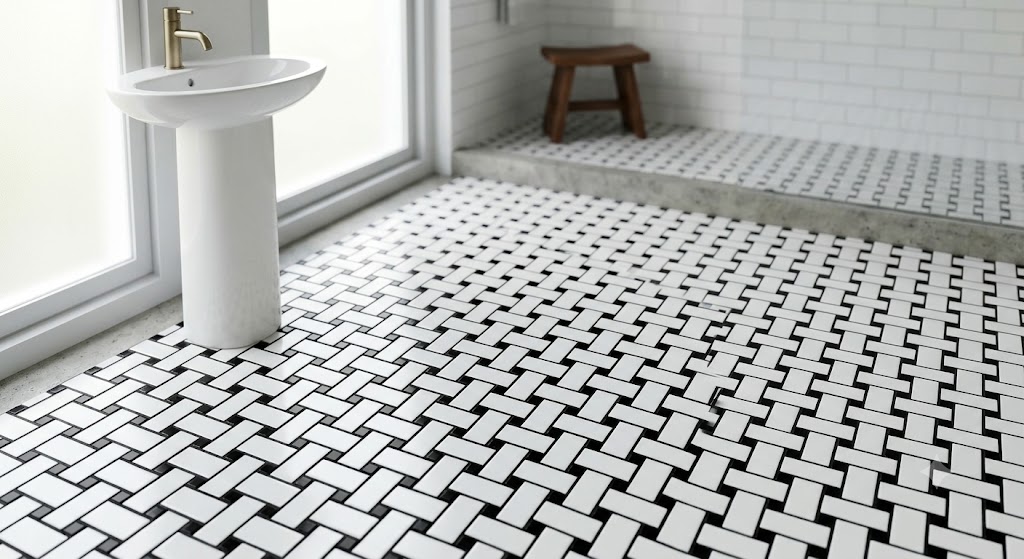
Step into any home with some history, and mosaic tiles will likely catch your attention in the entryway, bathroom, or kitchen. These small, precisely placed pieces have been a design mainstay for generations. Their endurance comes down to a simple combination of factors. They protect surfaces from moisture and damage while remaining visually appealing.
But selecting the right mosaics for your space involves more than just picking a shade you like. You face a fundamental design decision. That decision nearly always comes down to geometric patterns versus organic forms.
Both styles have distinct advantages. Both transform a room in completely different ways. Understanding what each brings to a project will help you choose the option that best matches your home’s personality.
The Geometric Option
Geometric mosaics are defined by exactness and repetition. They feature straight lines, precise angles, perfect circles, and repeating arrangements. Herringbone, chevron, basketweave, and hexagonal patterns are all examples. So are intricate grid systems and tessellating designs.
Installing geometric mosaics introduces structure to a room immediately. The repeated shapes establish visual order and predictability. This quality makes them especially suitable for modern homes, minimalist spaces, and properties with mid-century influences.
But geometric designs are not exclusively for contemporary settings. Many older homes incorporate classic geometric patterns effectively. A black-and-white basketweave bathroom floor is a timeless choice that suits a 1920s bungalow just as naturally as a brand-new apartment.
Geometric mosaics perform specific visual functions. They direct the eye along deliberate paths. A herringbone pattern pulls attention diagonally, which can make a narrow room feel more spacious. They also provide a clean visual foundation. If you prefer uncluttered surfaces and simple furnishings, a geometric floor adds interest without creating busyness.
Perfect for: Bathroom floors, kitchen backsplashes, and foyers. These areas benefit from the water resistance and durability geometric tiles provide.
The Organic Alternative
If geometric mosaics are about structure, organic mosaics are about nature’s freedom. These tiles imitate the natural environment. You will see pebble forms, curved edges, uneven textures, and flowing patterns. They appear like they were taken from a stream bed or forest floor.
Organic mosaics introduce warmth and softness to interiors. Their lack of rigid straight lines creates a calm, approachable atmosphere. For rooms that feel cold or boxy, an organic installation can effectively add softness.
Consider a shower floor made from sliced pebble tiles. It resembles a natural spring visually and provides sensory benefits as well. The irregular surface delivers a subtle massage effect and improves traction significantly.
This aesthetic matches rustic cabins, coastal homes, and earth-focused interiors beautifully. It also works as an accent in modern architecture. Placing a sculptural white bathtub on an organic stone floor creates a pleasing contrast between sleek and natural textures.
Perfect for: Shower bases, accent walls, and outdoor patios. These spaces thrive with the spa-like, nature-connected feeling organic materials generate.
How to Decide
From a technical angle, both styles share similar installation characteristics. Both are mounted on mesh backing for easier placement. Both require proper substrate preparation, quality grout, and periodic sealing depending on the material. The real distinction lies in how each style influences the room’s emotional response.
Use these four points to help you decide.
1. Match Your Home’s Architecture
Look at your property’s structural features. Does it have clean lines, simple trim, and square window frames? Geometric mosaics will complement those architectural details perfectly. The tile’s straight edges mirror the building’s own geometry.
Homes featuring exposed wood beams, stone features, or open-plan layouts generally suit organic mosaics better. These tiles reinforce the connection between indoor and outdoor environments.
2. Consider Room Function
Daily use should influence your selection. A kitchen backsplash near the cooker needs to resist stains and wipe clean effortlessly. Smooth geometric tiles with limited texture are significantly easier to maintain. Cooking splashes and oils have fewer crevices to penetrate.
Shower flooring demands attention to safety. Organic pebble tiles provide excellent slip resistance naturally. The multiple grout joints between uneven stones offer reliable grip underfoot. A smooth geometric floor might look beautiful, but wet conditions can make it hazardous.
3. Factor in Cleaning
All tiled surfaces require maintenance. Grout lines will need cleaning no matter your chosen style. However, the tile surface affects cleaning difficulty considerably.
Ceramic and porcelain geometric tiles typically have flat, non-porous surfaces. A quick wipe with a damp cloth often suffices to restore their appearance. Organic stone varieties frequently contain natural cracks and uneven areas. Soap residue and dirt can collect in these textured spaces. Expect to use a stiff brush for thorough cleaning. If you prefer low-maintenance options, geometric tiles are more practical.
4. Assess Your Colour Scheme
Geometric mosaics often depend on contrast to make patterns visible. Classic black-and-white or blue-and-white designs attract attention immediately. They work best when you want the tiled area to be a design focal point.
Organic mosaics generally use more subdued, earth-toned palettes. Think warm browns, soft greys, olive greens, and sandy tones. These colours blend into the background rather than demanding attention. Choose organic when texture and natural materials matter more than bold colour.
Bringing Styles Together
You are not required to pick one style for your whole home. Mixing geometric and organic mosaics can produce a more dynamic interior.
You could use crisp hexagonal mosaic tiles in your kitchen backsplash to keep the cooking space clean and orderly. Then, organic pebble tiles could make your master shower feel like a relaxing retreat. The key is to ensure each decision serves the room’s purpose. Let function guide your choices.
When you start buying materials, always see them in person. Online images rarely show the true texture and scale of mosaic tiles accurately. A small pebble can look huge on a screen, while a detailed geometric pattern might seem overwhelming on a monitor.
Visit a local ceramic tile shop to experience the actual products. Pick up the mounted sheets. Run your fingers across the tile faces. Examine the backing to see how the pieces connect. Ask staff about slip ratings for floors and get grout advice for your chosen material.
Take sample boards home to evaluate in your own lighting. Place them on walls or floors. Look at them in the morning, afternoon, and evening. This real-world testing will show whether the geometric lines or organic curves feel right in your home.
Choosing between geometric and organic mosaics ultimately depends on your taste. If you want order and clear lines, go geometric. If you prefer warmth and natural texture, choose organic. Trust your preference, and you will make the right decision.