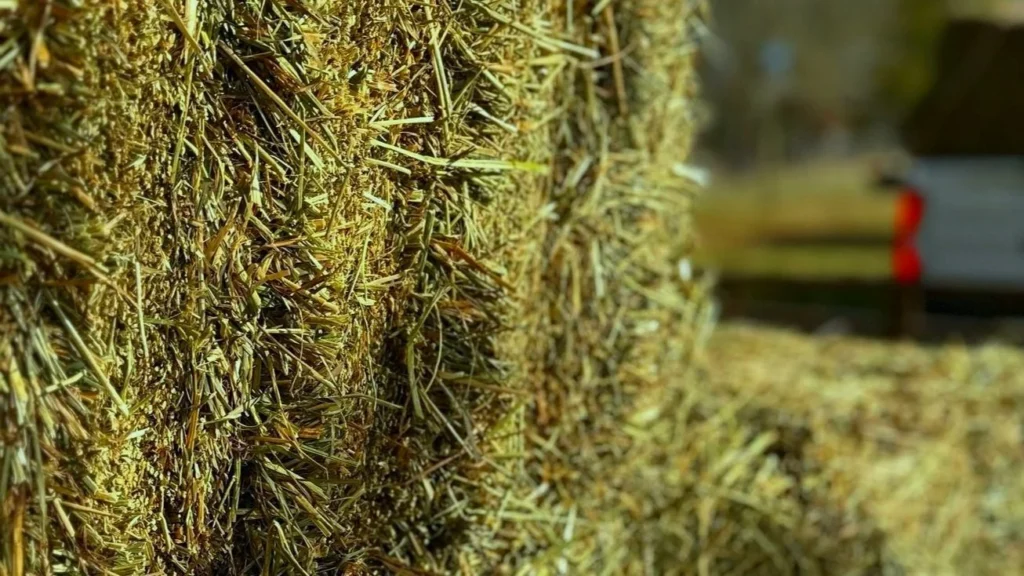
Finding hay for sale has become easier than ever, thanks to online suppliers like Harris Hay Farm, which provide a wide range of premium hay bales for livestock. Whether you are feeding horses, cows, or other animals, understanding hay types, bale sizes, and current hay prices is essential to making the right purchase.
This guide covers everything you need to know—from Timothy hay bales to Alfalfa hay bales, including pricing, uses, and how to buy hay online efficiently.
What Is Hay and Why It Matters
Hay is dried grass or legumes used as animal feed, especially when pasture is unavailable. It plays a vital role in livestock nutrition by supplying fiber, protein, and energy.
High-quality hay should be:
- Greenish in color
- Leafy and soft
- Free from mold and dust
- Pleasantly fragrant
Suppliers like Harris Hay Farm specialize in producing and delivering premium hay globally, ensuring consistent quality for livestock owners.
Types of Hay Bales for Sale
When searching for hay bales for sale, you will encounter several types, each suited to specific animals and feeding goals.
1. Timothy Hay Bales
Timothy hay is one of the most popular options for horses and small animals. It is:
- High in fiber
- Moderate in protein
- Excellent for digestion
It is widely regarded as premium horse hay due to its balanced nutrition.
2. Alfalfa Hay Bales
Alfalfa hay is nutrient-dense and ideal for:
- Dairy cows
- Growing livestock
- High-performance animals
It contains high protein and calcium, making it perfect for milk production and weight gain.
3. Bermuda Hay Bales (Coastal Bermuda Hay)
Bermuda hay is a popular grass hay used for:
- Horses
- Cattle
- Sheep
It offers good fiber and digestibility, especially in warmer regions.
4. Mixed Grass Hay
Mixed hay combines different grasses to provide balanced nutrition. It is commonly used for:
- General livestock feeding
- Cost-effective feeding programs
Bale Sizes Explained
Understanding bale sizes is crucial when buying hay online.
Small Square Bales
- Weight: 40–75 lbs
- Ideal for small farms and daily feeding
Large Square Bales
- Weight: 800–1500 lbs
- Suitable for bulk buyers
Large Round Bales
- Weight: 800–1200+ lbs
- Best for cattle feeding and large-scale operations
Round bales are especially efficient because they reduce waste and last longer in feeding conditions.
Hay for Different Animals
Hay for Horses
Timothy hay is the top choice for horses due to its:
- High fiber
- Low sugar content
- Digestive benefits
Hay for Cows
Cows require nutrient-rich forage for productivity:
- Alfalfa hay boosts milk production
- Grass hay supports digestion
- Mixed hay provides balanced nutrition
Cows typically consume 2–3% of their body weight in hay daily, depending on size and production stage.
Current Hay Prices
Price Per Bale
- Grass hay: $8–$16
- Timothy hay: $14–$24
- Alfalfa hay: $18–$28
Price Per Ton
- Grass hay: $140–$220
- Timothy hay: $240–$340
- Alfalfa hay: $220–$330
Prices vary depending on location, weather conditions, supply and demand, and transportation costs.
Buying Hay Online
Many farmers now prefer to buy hay online due to convenience and access to bulk supply.
Benefits include:
- Access to premium hay
- Competitive pricing
- Reliable supply
- Delivery to your farm
Bulk Hay Purchasing
Bulk buying is the most cost-effective way to purchase hay.
Advantages include:
- Lower hay price per ton
- Consistent supply
- Reduced transportation costs
Large farms often choose large round or large square bales for efficiency.
How to Choose Premium Hay
When selecting premium hay, consider the following factors:
Color and Texture
- Bright green color indicates freshness
- Soft texture means better digestibility
Smell
- Fresh hay has a sweet, clean aroma
- Avoid musty or moldy smells
Moisture Content
Properly dried hay prevents mold growth and nutrient loss.
Storage and Handling Tips
Proper storage is essential to maintain hay quality.
- Store hay in dry, ventilated areas
- Protect from rain and moisture
- Use pallets or covers to prevent spoilage
Why Choose Reliable Hay Suppliers
Choosing trusted hay suppliers ensures:
- Consistent quality
- Accurate nutritional value
- Safe storage and delivery
Harris Hay Farm is known for experience, quality, and a wide variety of hay products.
Final Thoughts
The demand for hay for sale continues to grow as livestock farming expands globally. Whether you need Timothy hay bales, Alfalfa hay bales, or Bermuda hay bales, understanding your livestock’s nutritional needs and current hay prices is key.
By choosing the right type of hay, selecting appropriate bale sizes, and purchasing in bulk when possible, you can optimize feeding efficiency and reduce overall costs.