You ever look in the mirror and wonder why your teeth won’t get white again no matter what paste you try? I get it. Those over-the-counter strips, charcoal powders, the fancy LED kits—they promise a lot but deliver barely anything if your stains are deep. That’s where a teeth whitening dentist in Burbank actually earns their keep. Not by rubbing on some gel and calling it a day, but by understanding what kind of stain you’re dealing with in the first place. Because here’s the truth nobody tells you—surface stains and deep stains are two completely different animals.
The Difference Between Surface Stains and Deep Stains
Surface stains are from coffee, tea, red wine, maybe tobacco. They cling to the outside of your enamel like dirt on a windshield. A good hygienist can scrape most of that off during regular dental cleaning services. But deep stains? Those live inside your tooth structure. Maybe from antibiotics as a kid, too much fluoride, or just plain aging where the enamel gets thinner and the darker dentin underneath starts showing through. You cannot scrub those away. You cannot strip them off at home. And anyone who says otherwise is selling you something that won’t work.

How a Professional Actually Assesses Your Teeth First
Here’s where a real teeth whitening dentist in Burbank does something different than the mall kiosk or the online kit. They’ll actually look at your teeth under a good light, maybe take a quick photo or use a shade guide. They’re checking for cracks, old fillings, gum recession—stuff that matters because whitening chemicals can irritate exposed roots or leak into cavities. A responsible provider won’t just slap hydrogen peroxide on everything and hope for the best. They’ll ask about your history, what medications you’ve taken, if your teeth have ever been sensitive. That whole conversation? It’s not fluff. It saves you pain later.
The Two Main Ways Deep Stains Get Removed
For most deep stains, the go-to is in-office bleaching with a high-concentration peroxide gel, usually 35 to 40 percent. But here’s the trick—they have to activate it properly. Some use a special light, some don’t. The real magic is in how long they leave it on and whether they reapply. Most appointments run about an hour, sometimes two if the stains are stubborn. For the really nasty intrinsic stains—the ones from tetracycline or trauma—you might need something stronger like internal bleaching. That’s where they actually put the whitening agent inside the tooth. Sounds intense because it is. But for people who’ve lived with a dark front tooth for years, it’s a game changer.
Why At-Home Kits Can’t Touch These Deep Stains
Look, I’m not saying drugstore strips are useless. For someone with mild yellowing from last week’s coffee binge? Fine. Go for it. But deep stains require sustained contact with a much stronger chemical, and you can’t get that legally without a dentist overseeing it. The store products hover around 6 to 10 percent peroxide. A professional setup uses four to six times that strength. Plus you get custom trays that actually hug your teeth instead of those one-size-fits-none strips that let the gel leak onto your gums and turn them white for two days. No thanks.
What a Real Appointment Looks Like From Start to Finish
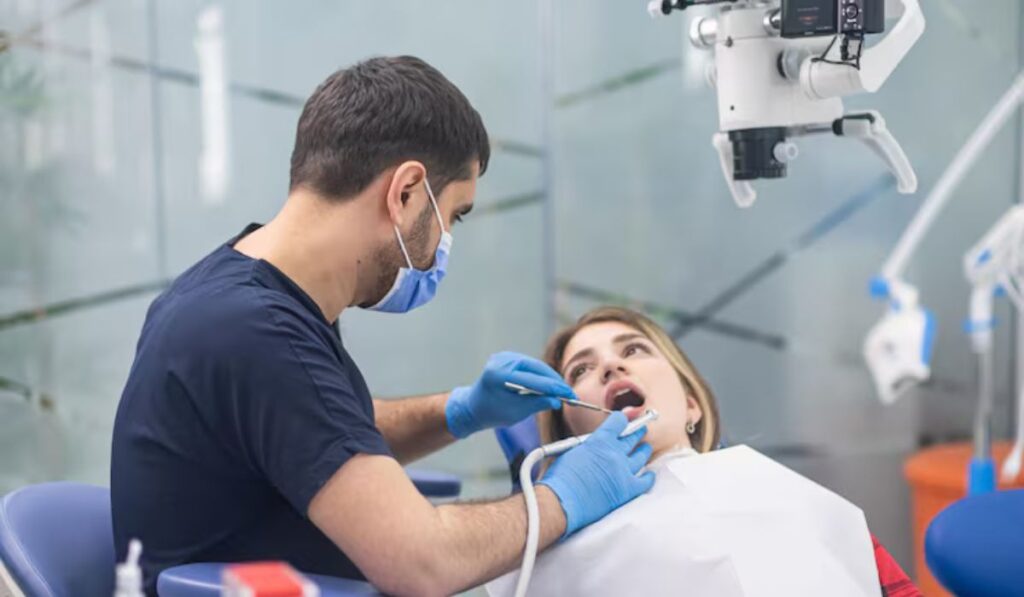
You walk in, they might take a quick polish to remove film from your teeth. Then they put a barrier on your gums—usually a pink goo that hardens like rubber. That part matters more than you think because peroxide on gums burns like crazy. Then comes the gel. You sit there maybe twenty minutes, they suction it off, check progress, then reapply. Sometimes they do three or four cycles. You might feel some zings of sensitivity during or after, but that’s normal and fades within a day or two. When they’re done, they rinse you out and hand you a mirror. Most people jump back because they didn’t realize their teeth could look like that again.
How to Keep Deep Stains From Coming Back
Here’s the part nobody likes hearing—whitening isn’t permanent. Those deep stains will try to return over time, especially if you keep drinking dark soda or skipping your regular dental care. A good family dentist will tell you straight up: use a straw for coffee, rinse your mouth with water after meals, and don’t let plaque sit on your teeth because it acts like a magnet for new stains. Touch-up trays with weaker gel once every few months help a ton. But if you expect one appointment to fix years of neglect and then you go back to your old habits? That’s on you, not the dentist.
Why Local Reputation Matters for This Kind of Work
Not every dentist who offers whitening actually understands how to handle deep stains without wrecking your enamel or leaving you in agony. I’ve heard stories from people who went to those discount places and ended up with chemical burns on their gums or teeth that stayed sensitive for weeks. That’s why checking reviews matters. For instance, I came across Olive Family Dentistry while looking around Burbank last month, and their patients consistently mention the staff being patient and actually explaining things instead of rushing people through. That kind of attention to detail matters when you’re putting strong chemicals in someone’s mouth. A place that handles regular family visits usually has a gentler touch anyway, because they’re used to dealing with kids and nervous adults.
Final Thought Before You Book Anything
If your teeth have dark spots, grayish bands, or just never responded to home kits, don’t waste another hundred bucks on gimmicks. Find a teeth whitening dentist in Burbank who will actually diagnose the problem first. Ask them if they’ve treated intrinsic stains before. If they hesitate or promise you a “miracle in one hour” without even looking at your teeth first? Walk out. Good dental care isn’t about flashy ads or Instagram before-and-afters. It’s about someone who knows enamel is irreplaceable and respects that. Your teeth aren’t practice material. Make sure the person working on them feels the same way.