Modern communication networks rely heavily on fiber optic technology to deliver fast, reliable, and high-bandwidth data transmission. From telecom networks and internet service providers to enterprise data centers, fiber optics play a critical role in maintaining seamless connectivity. One of the most important components in these systems is the fiber optic connector, which links fiber cables to network equipment and ensures efficient signal transfer.
High-quality connectors are essential because even small imperfections in the connection point can cause signal loss or reflection. This is where Adecomm fiber optic solutions stand out. Known for producing advanced fiber optic networking components, Adecomm designs connectors and related equipment that enhance signal integrity, minimize transmission loss, and support high-speed communication networks.
This article explains how Adecomm fiber optic connectors improve signal quality and why they are a reliable choice for modern fiber optic networks.
The Importance of Fiber Optic Connectors in Network Performance
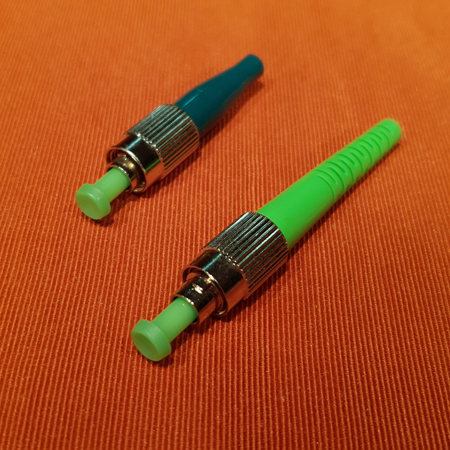
A fiber optic connector is a device that joins fiber optic cables to other cables or network equipment such as switches, routers, and patch panels. These connectors enable light signals to pass through the connection point with minimal interference.
Unlike traditional copper cables that transmit electrical signals, fiber optic cables use pulses of light. Because of this, the alignment of the fiber cores must be extremely precise. Even a microscopic misalignment can cause signal loss or reflection, reducing network performance.
High-quality connectors are therefore designed to provide:
- Precise fiber alignment
- Minimal insertion loss
- Low back reflection
- Stable physical contact between fiber ends
Modern optical connectors use highly precise ferrules and polished fiber end faces to ensure that light passes smoothly from one fiber to another.
Key Ways Adecomm Fiber Optic Connectors Improve Signal Quality
1. Precision Alignment Technology
One of the most important factors affecting signal quality is fiber alignment. The core of a single-mode fiber is extremely small—typically around 8 to 10 micrometers in diameter. If the fiber cores are not perfectly aligned when two connectors meet, a significant portion of the optical signal can be lost.
Adecomm fiber optic connectors are manufactured with precision ferrules that ensure accurate fiber alignment. These ferrules hold the fiber core in the correct position and maintain stable contact between connected fibers.
This precision alignment reduces:
- Signal attenuation
- Connection loss
- Data transmission errors
As a result, networks using Adecomm connectors can maintain strong optical signals even across long distances.
2. Low Insertion Loss for Efficient Transmission
Insertion loss refers to the amount of signal power lost when a connector is inserted into a fiber optic link. High insertion loss weakens signals and can degrade network performance, especially in long-distance fiber connections.
High-quality fiber optic adapters and connectors typically maintain insertion loss below 0.2 dB, ensuring efficient signal transmission in high-speed networks.
Adecomm connectors are engineered with strict quality standards that help minimize insertion loss. This means that more optical signal power is preserved as data travels through the network.
Benefits of low insertion loss include:
- Faster data transmission
- Improved network reliability
- Better performance in high-speed applications
- Reduced need for signal amplification
3. Reduced Back Reflection
Another major factor affecting fiber optic performance is back reflection, also called return loss. Back reflection occurs when a portion of the optical signal reflects back toward the source due to imperfections at the connection point.
Excessive back reflection can cause:
- Signal interference
- Transmission instability
- Reduced bandwidth performance
Adecomm fiber optic connectors often use advanced polishing techniques such as APC (Angled Physical Contact) or UPC (Ultra Physical Contact). These designs minimize reflections by ensuring optimal contact between fiber ends.
Lower reflection levels result in:
- Stable optical signals
- Higher network efficiency
- Better compatibility with high-speed optical equipment
4. High-Quality Optical Components
Fiber optic connectors must be built with extremely high manufacturing precision to maintain signal quality. Even microscopic defects in the fiber end face or connector housing can affect performance.
Adecomm products incorporate high-quality optical components such as:
- Precision-polished ferrules
- Durable connector housings
- High-accuracy alignment sleeves
- Stable mechanical contact systems
For example, optical modules using LC connectors can support data rates around 1.25 Gb/s and transmission distances up to 10 km when designed with high-quality optical components.
These components ensure stable signal transmission across long fiber links.
5. Support for High-Speed Data Networks
Modern networks require connectors that can support high bandwidth and advanced networking technologies. As demand for cloud computing, video streaming, and IoT devices continues to grow, networks must handle increasing data traffic.
Adecomm connectors and related optical modules are designed to support applications such as:
- Gigabit Ethernet
- Fiber Channel networks
- Data center connectivity
- Storage area networks (SAN)
- Broadband telecom infrastructure
High-speed optical modules with LC connectors can support multi-gigabit data rates and advanced network protocols.
This compatibility ensures that networks using Adecomm components can scale as data demand increases.
6. Durable and Reliable Design
Fiber optic connectors are frequently plugged and unplugged during network installation, upgrades, and maintenance. Poor-quality connectors can degrade over time, causing increased signal loss.
High-quality connectors are designed to withstand hundreds or even thousands of connection cycles without losing performance. They are also built to operate in challenging environments, including extreme temperatures and dusty conditions.
Adecomm connectors are built with durable materials that maintain consistent optical performance even in demanding environments such as:
- Industrial facilities
- Outdoor telecom installations
- Data centers with high cable density
Durability helps maintain signal stability over the long term.
7. Protection Against Dust and Contamination
Dust and debris are major causes of signal degradation in fiber optic networks. Even tiny particles on the fiber end face can block or scatter light signals.
Many advanced connectors include protective features such as:
- Dust caps
- Protective shutters
- Sealed connector housings
These features protect the fiber end face from contamination and help maintain optimal signal quality.
Using connectors with proper contamination protection reduces maintenance requirements and ensures stable network performance.
Real-World Applications of Adecomm Fiber Optic Connectors
Because of their high signal integrity and reliability, Adecomm connectors are widely used in various networking environments.
Data Centers
Data centers require high-speed, low-latency connections between servers and storage systems. Precision connectors ensure minimal signal loss in these dense fiber networks.
Telecom Infrastructure
Telecommunication providers rely on fiber optics for long-distance communication. High-quality connectors maintain stable signals across extended fiber links.
Enterprise Networks
Businesses use fiber networks to support internal communication systems, cloud services, and high-bandwidth applications.
FTTH (Fiber to the Home)
Fiber optic connectors play a critical role in delivering high-speed broadband connections directly to homes and businesses.
Why Choose Adecomm for Fiber Optic Connectivity?
There are many fiber optic component manufacturers, but Adecomm has built a strong reputation for delivering reliable networking solutions.
Key advantages include:
- High-quality fiber optic connectors
- Precision manufacturing standards
- Support for modern networking technologies
- Reliable performance in demanding environments
- Comprehensive range of fiber networking products
The company focuses on providing advanced fiber optic connectivity solutions that support data transmission services, enterprise networks, and telecom infrastructure.
Conclusion
Signal quality is one of the most critical factors in the performance of any fiber optic network. Even small losses or reflections at connection points can significantly affect data transmission speed and reliability.
Adecomm fiber optic connectors improve signal quality by offering:
- Precise fiber alignment
- Low insertion loss
- Minimal back reflection
- Durable and contamination-resistant designs
- Compatibility with high-speed networking systems
By using well-engineered connectors and optical components, Adecomm helps businesses, telecom providers, and data centers build high-performance fiber networks capable of supporting the growing demands of modern communication.
Investing in high-quality fiber optic connectors from Adecomm ensures stronger signal integrity, reliable network performance, and long-term connectivity success.
FAQs
1. What are fiber optic connectors used for?
Fiber optic connectors are used to join fiber optic cables to network equipment or other cables, allowing light signals to pass through the connection point efficiently.
2. Why is low insertion loss important in fiber optic connectors?
Low insertion loss ensures that minimal signal power is lost during transmission, which helps maintain strong and reliable network performance.
3. How do Adecomm connectors reduce signal reflection?
Adecomm connectors use precision polishing techniques and accurate fiber alignment to reduce back reflection, ensuring stable and high-quality optical signal transmission.