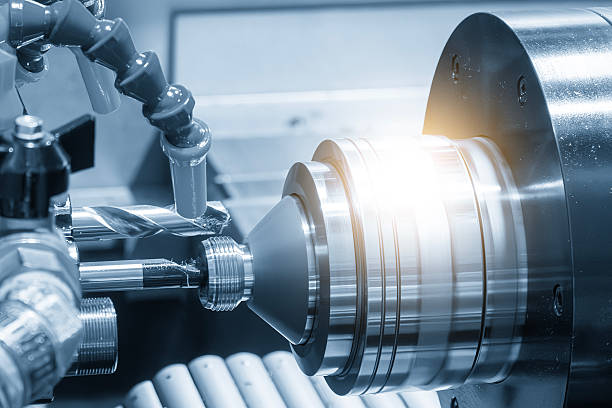
Let’s be real, manufacturing tolerances aren’t what they used to be. Everything’s tighter now. Smaller parts, higher expectations, less room for error. That’s where a lot of Swiss turned components suppliers started leaning hard into advanced Swiss machining tech, not because it’s trendy, but because it actually solves problems the old setups couldn’t. If you’re dealing with tiny, complex parts, there’s just no shortcut anymore. You either upgrade your process, or you fall behind. Simple as that.
What Makes Swiss Machining Different
The short answer is control. Swiss machines don’t treat material the same way traditional lathes do. Instead of letting the workpiece hang out and flex, they support it right near the cutting tool using a guide bushing. That small detail changes everything. Less vibration. Better accuracy. Cleaner finishes. And yeah, fewer headaches when you’re trying to hit tight tolerances over and over again. It’s one of those things that sounds minor until you actually see the output.
Consistency Over Long Production Runs
Here’s where things get interesting. Anyone can make one perfect part. That’s not the challenge. The real test is making ten thousand identical ones without drift. Swiss machining handles that better than most setups. Because the material is continuously supported, you don’t get that gradual loss of precision halfway through a run. It just stays steady. Not perfect every single time, but close enough that you’re not constantly adjusting or scrapping parts. That consistency matters more than people admit.
Handling Complex Geometries Without Drama
Modern components aren’t simple cylinders anymore. You’ve got grooves, threads, cross-holes, weird little features packed into tiny spaces. Swiss machines, especially the advanced ones, handle that kind of complexity without turning it into a full-day setup nightmare. Multi-axis capability means fewer secondary operations, which honestly saves more time than people expect. Less handling, fewer chances to mess something up. It just flows better.
Where Swiss CNC Machine Contract Manufacturers Fit In
Some shops try to do everything in-house. That works, until it doesn’t. This is where Swiss CNC machine contract manufacturers come into play. They’ve already invested in the equipment, the tooling, the skilled operators. You’re not starting from scratch. You’re plugging into a system that’s already dialed in. And yeah, outsourcing gets a bad reputation sometimes, but when it’s done right, it actually improves quality and turnaround instead of hurting it. Depends who you work with, obviously.
Material Efficiency and Less Waste
Another thing people overlook—material usage. Swiss machining tends to waste less. Because the cuts are controlled and precise, you’re not overcutting or compensating for machine limitations. Over time, that adds up. Especially when you’re working with expensive materials like titanium or certain alloys. It’s not just about making better parts. It’s about making them smarter, if that makes sense. Less scrap, fewer do-overs, better margins.
Speed Without Sacrificing Accuracy
Speed usually comes at a cost. Push too fast, and something gives. But advanced Swiss setups manage to balance both. Not perfectly- nothing is- but close. Faster cycle times don’t automatically mean sloppy results here. The machines are built to maintain precision even when production ramps up. That’s a big deal for industries that don’t have time for slow runs but still demand tight specs. Medical, aerospace, electronics… they’re not forgiving.
Reduced Secondary Operations
This one’s kind of underrated. Traditional machining often means bouncing parts between multiple machines. Turning here, milling there, maybe finishing somewhere else. Swiss machining cuts down a lot of that movement. With live tooling and multi-axis functions, you can complete parts in one setup. Fewer transfers means fewer errors. And fewer errors mean less rework. It’s not flashy, but it makes a difference on the shop floor.
Conclusion: It’s Not Just Better Tech, It’s a Better Process
At the end of the day, advanced Swiss machining isn’t just about having fancier machines. It’s about fixing real production problems. Better consistency, tighter tolerances, less waste, fewer steps. All of it adds up. That’s why many businesses choose to work with Swiss CNC machine contract manufacturers, gaining access to advanced capabilities without the cost of building an in-house operation. And yeah, it’s not cheap to get into, which is why a lot of companies lean on experienced suppliers instead of building everything themselves. But if you’re serious about producing high-quality turned components at scale, this technology isn’t optional anymore. It’s just the way things are going.