Glass is an important feature of modern buildings because it allows natural light to enter and creates an open, spacious environment. However, plain transparent glass can sometimes look simple and may not provide enough privacy or decoration. Colour frosting stickers offer a practical solution by combining the soft appearance of frosted glass with different colours and decorative designs.
These stickers are made from specially designed adhesive films that can be applied to glass doors, windows, partitions, and other smooth surfaces. Unlike traditional transparent or plain frosted films, coloured versions introduce different shades and patterns that improve the appearance of glass while reducing direct visibility.
The material is available in various colours, including blue, grey, green, bronze, white, and other customised shades. Depending on the design, it can cover an entire glass panel or only selected sections. This flexibility makes it suitable for residential properties, offices, retail shops, restaurants, and commercial buildings.
For example, a modern office may use blue frosted film on its meeting room partitions to create a calm and professional atmosphere. Similarly, a restaurant can use decorative coloured frosting on glass dividers to separate seating areas without completely blocking natural light.
2. How Coloured Frosted Stickers Films Work
Coloured frosting films are manufactured using flexible vinyl or similar adhesive materials. Their surface is designed to create a translucent or diffused appearance when applied to glass. This effect reduces clear visibility through the treated area while allowing some light to pass through.
The colour and level of transparency depend on the material selected. Some films produce a soft, subtle appearance, while others have stronger colours that create more noticeable decorative effects.
Understanding the Frosted Effect
Ordinary clear glass allows light to pass through directly, making objects and people visible from the opposite side. Frosted film changes how light passes through the surface by scattering it.
As a result, the glass becomes less transparent. The amount of visibility depends on the film’s opacity, colour, thickness, and surface finish.
Different Colour Options
Several colour choices are available for glass decoration:
- White frosting: Creates a traditional frosted appearance and works well in offices and bathrooms.
- Grey frosting: Provides a neutral and modern appearance for commercial interiors.
- Blue frosting: Adds a cool decorative effect and is often suitable for contemporary office spaces.
- Green frosting: Introduces a natural-looking colour that can complement certain interior designs.
- Bronze frosting: Creates a warmer appearance and can work well with wooden furniture and neutral colours.
- Custom colours: Allow designers to match glass decoration with a particular interior theme.
The right choice depends on the surrounding environment, lighting conditions, and the purpose of the glass surface.
3. Common Applications in Residential and Commercial Properties
Coloured frosted films can be used in many locations because they provide both decorative and practical benefits. Their applications depend on the amount of privacy required and the overall appearance of the property.
Office Glass Partitions
Modern workplaces frequently use glass walls to separate departments, meeting rooms, and private cabins. Although transparent partitions make offices look spacious, they may not offer enough privacy for meetings or confidential discussions.
Coloured frosting can help address this problem while improving the interior appearance.
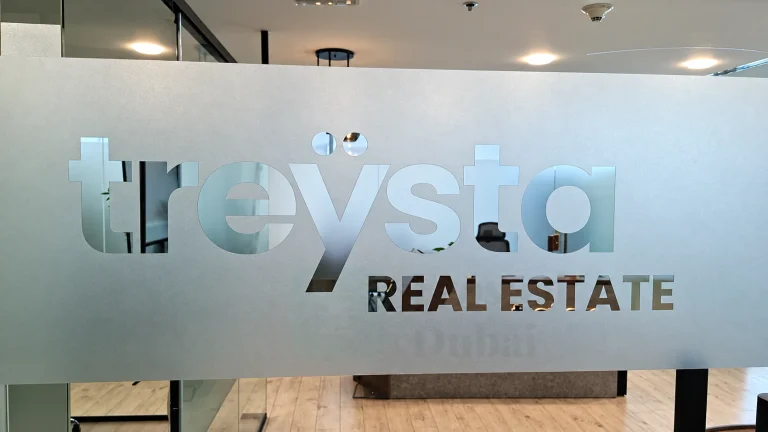
For example, a company may use grey frosting on meeting room partitions and add transparent spaces for room numbers or company information. This arrangement creates a consistent appearance throughout the office.
Residential Windows and Doors
Homes often contain glass doors, bathroom windows, shower enclosures, and internal partitions. These surfaces may require additional privacy without making rooms feel dark or enclosed.
Coloured frosted film can be applied to selected areas to reduce direct visibility. A light grey or white finish may work particularly well in bathrooms, while decorative colours can be used on internal glass doors.
Retail Shops and Showrooms
Retail businesses use glass windows to display products and create attractive entrances. However, some sections may need decoration or partial screening.
Coloured frosting can be used around shop names, decorative borders, or selected window sections. For example, a clothing showroom may use a subtle bronze pattern on its front glass to complement the interior furniture.
Restaurants and Cafes
Restaurants often use glass dividers to separate dining areas. Decorative frosting provides a way to create visual separation without building solid walls.
A restaurant with an open interior may use green or grey frosted panels between seating sections. The coloured material can help establish different areas while maintaining a connected appearance.
4. Important Benefits of Colour Frosted Stickers
The popularity of decorative glass films comes from their combination of appearance, flexibility, and practical use. Several features make them suitable for different types of buildings.
Improved Privacy
One of the main reasons for using frosted film is to reduce direct visibility through glass. This is useful in meeting rooms, bathrooms, consultation spaces, and private office cabins.
The privacy level depends on the selected material and its coverage. Lightly frosted designs may provide limited screening, while more opaque films offer greater privacy.
It is important to remember that frosted film does not necessarily provide complete privacy in every lighting condition. Silhouettes may remain visible, particularly when strong lighting is present behind the glass.
Better Interior Decoration
Plain glass can sometimes make large interior spaces look unfinished. Coloured frosting introduces decorative elements without requiring permanent changes to the glass.
For instance, a reception area with clear glass partitions can appear more coordinated when the panels feature a consistent grey or blue frosted design.
Natural Light Transmission
Unlike completely opaque coverings, many frosted films allow diffused daylight to enter a room. This helps maintain a bright atmosphere while reducing direct visibility.
However, the amount of light passing through depends on the colour, thickness, opacity, and coverage of the selected film.
Custom Design Flexibility
Another advantage is the variety of available design options. Coloured film can be cut into different shapes, lettering, patterns, and decorative borders.
A company can use its preferred colour on office partitions, while a homeowner can choose a simple pattern that matches the interior decoration.
Cost-Effective Glass Decoration
Replacing glass or installing permanent decorative panels can involve additional materials and labour. Adhesive frosting offers an alternative for changing the appearance of existing glass surfaces.
The overall cost depends on the material, dimensions, design complexity, and installation requirements.
5. Popular Design Styles and Customisation Ideas
The appearance of coloured frosted film can be adjusted according to different architectural styles. A carefully selected pattern can make glass surfaces look more organised and attractive.
Plain Coloured Frosting
Plain frosting uses a single colour across the selected glass area. This style is suitable for people who prefer a simple appearance without complicated patterns.
White, grey, and light blue are common choices for office partitions and residential glass doors.
Geometric Patterns
Geometric designs include squares, circles, diamonds, triangles, and diagonal lines. These shapes can be arranged in repeated patterns or used as decorative sections.
For example, a modern office may use a grey frosted geometric design across the lower section of its glass meeting room partitions.
Gradient Colour Effects
Gradient designs gradually change from one shade to another. They can create a different appearance compared with ordinary single-colour frosting.
These designs may be suitable for reception areas, showrooms, and decorative interior partitions where a more distinctive finish is required.
Logo and Lettering Designs
Coloured frosting can also be cut into letters, symbols, and company logos. This allows businesses to display information directly on glass surfaces.
A reception door, for example, can feature a frosted background with clear lettering to identify the organisation or department.
Decorative Borders
Border designs are useful when the central section of the glass needs to remain relatively open. A coloured frosted outline can frame the panel and add visual detail without covering the entire surface.
6. How to Choose the Right Colour and Material
Selecting a suitable film requires attention to more than its appearance. The material should match the purpose of the glass surface and the conditions in which it will be installed.
Consider the Interior Colour Scheme
The selected colour should complement the walls, flooring, furniture, and lighting. Neutral shades are generally easier to coordinate with different interior styles.
For example, grey frosting may suit an office with white walls and dark furniture, while bronze can complement warm wooden interiors.
Understand the Privacy Requirements
A bathroom window may need more coverage than a decorative partition in a reception area. The film’s opacity and pattern spacing should therefore reflect the privacy requirements.
Where complete visual privacy is important, the material should be tested under both daytime and nighttime lighting conditions.
Check the Glass Dimensions
The size and shape of the glass panel influence the final design. Large windows can accommodate more detailed patterns, while smaller doors may look better with simple decorative elements.
Accurate measurements are important before ordering or cutting the film.
Select Suitable Material Quality
Adhesive performance, thickness, colour consistency, and resistance to environmental conditions should be considered when selecting a product.
For projects involving frosted stickers dubai, it is also important to check whether the film is suitable for indoor or exterior-facing glass applications.
Review the Lighting Conditions
Different colours can look different depending on natural and artificial lighting. A shade that appears subtle in a bright showroom may look darker in a room with limited daylight.
Checking a sample on the actual glass surface can help avoid unexpected results.
7. Installation Process and Preparation
Correct installation is essential for achieving a smooth finish. Poor preparation can cause bubbles, wrinkles, uneven edges, and weak adhesion.
Step 1: Measuring the Glass
The width and height of the glass should be measured accurately. Frames, handles, joints, and other obstacles should also be considered before preparing the design.
Step 2: Preparing the Design
The chosen colour, pattern, and coverage are arranged according to the dimensions of the glass. Digital artwork can be used to preview how the finished application will appear.
Step 3: Cutting the Film
A suitable cutting machine can be used to produce customised shapes, lettering, and patterns. Correct machine settings help maintain clean edges and accurate dimensions.
Step 4: Cleaning the Surface
The glass must be free from dust, grease, fingerprints, and other contaminants. A clean surface helps the adhesive attach evenly.
Step 5: Applying the Film
The film is positioned carefully using suitable application tools. A squeegee helps remove trapped air and smooth the material across the glass.
Step 6: Checking the Final Finish
After application, the design should be inspected for bubbles, wrinkles, uneven edges, and alignment problems. Any installation issues should be addressed according to the material manufacturer’s instructions.
8. Maintenance Tips for Coloured Frosted Glass Film
Regular maintenance helps preserve the appearance of frosted film and keeps the glass looking clean.
Use a Soft Cleaning Cloth
A microfiber cloth is suitable for removing dust and fingerprints. Rough sponges and abrasive brushes should be avoided because they may scratch the film.
Avoid Strong Cleaning Chemicals
Some chemical products can affect the colour or adhesive properties of certain films. Mild cleaning solutions should be used according to the manufacturer’s recommendations.
Protect the Film from Scratches
Sharp objects and rough furniture edges can damage the surface. Care should be taken when moving furniture or cleaning around glass partitions.
Inspect the Edges Regularly
The edges should be checked for lifting or peeling. Early attention can help prevent further damage.
Follow Manufacturer Instructions
Different films have different cleaning and curing requirements. Following the recommended maintenance instructions helps maintain their appearance and adhesive performance.
9. Real Examples of Coloured Frosting in Everyday Spaces
Understanding practical applications can make it easier to choose the right design for a particular property.
Example 1: A Modern Office
A business has several transparent meeting rooms that lack privacy. Grey frosted film can be installed across the middle sections of the glass partitions, leaving selected areas clear for natural light and visibility.
Example 2: A Residential Bathroom
A homeowner wants to cover a bathroom window without using curtains. White or light grey frosting can reduce direct visibility while allowing daylight to enter.
Example 3: A Retail Showroom
A furniture showroom uses large glass windows to display products. Decorative bronze frosting around selected sections can complement the furniture and create a coordinated appearance.
Example 4: A Restaurant Interior
A restaurant needs to separate dining spaces while maintaining an open atmosphere. Green frosted film with a simple geometric pattern can add decoration to glass dividers without creating solid barriers.
Example 5: A Commercial Reception
A reception area has a large glass entrance door that looks plain. Blue frosting with a simple logo or lettering design can make the entrance easier to identify while improving its overall appearance.
These examples show that the same material can serve different purposes depending on the colour, pattern, and amount of glass coverage.
10. Conclusion
Colour frosting stickers provide a practical way to improve the appearance and functionality of glass doors, windows, and partitions. Their different shades, patterns, and customisation options make them suitable for homes, offices, retail shops, restaurants, and other commercial environments.
Apart from adding decorative value, these films can reduce direct visibility, maintain natural light transmission, and provide an alternative to permanent glass modifications. Their performance depends on material quality, opacity, installation conditions, and regular maintenance.
By considering privacy requirements, interior colours, glass dimensions, and lighting conditions, property owners can select a design that suits their space. Proper preparation and careful installation also help maintain a neat and attractive finish over time.