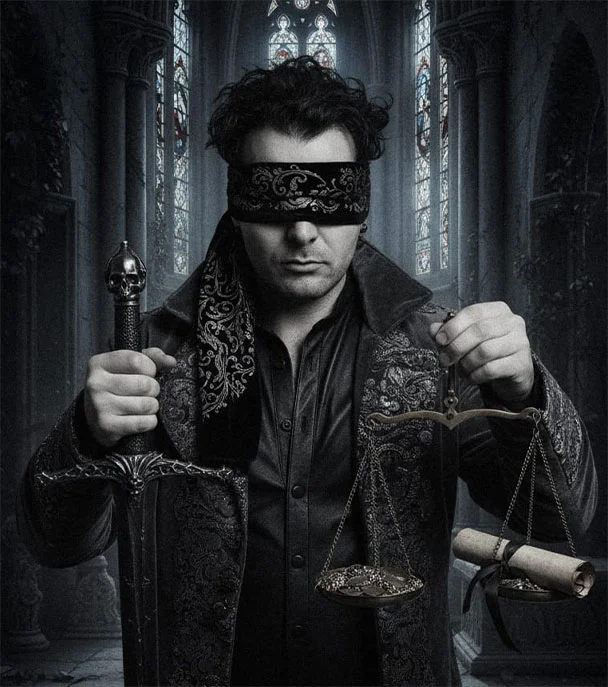
Crime Thriller Authors
The best crime thriller authors understand that suspense is not created by crime alone. Instead, it comes from making readers wonder what someone will do next, what secret is being hidden, and how far a person might go when pushed to the edge. By using fear, guilt, obsession, trust, and uncertainty, writers can turn a simple investigation into an emotionally gripping experience.
For readers who enjoy suspenseful storytelling and psychological depth, Viktor Ujkic Library offers crime fiction books that explore crime, justice, investigation, and human behavior. One notable example is Justice Died at Dawn, a story that combines psychological tension with a gripping mystery plot, keeping readers engaged as the truth slowly comes to light.
Why Psychology Makes Crime Fiction More Suspenseful
A strong crime story needs more than a mystery. It needs characters who feel real.
However, readers become truly invested when they understand what motivates those characters. A detective may be driven by guilt. A witness may be hiding the truth because of fear. Similarly, a criminal may believe that their actions are justified.
Consequently, psychology gives every action a deeper meaning.
Instead of simply asking, “Who committed the crime?” readers begin asking more complicated questions:
- Why did the character do it?
- What are they afraid of?
- Who can they trust?
- What will they do if their secret is discovered?
- How far will they go to protect themselves?
These questions naturally create suspense because the outcome becomes difficult to predict.
How Fear Keeps Readers Turning the Pages
Fear is one of the most powerful tools in crime fiction. Nevertheless, effective suspense does not always require violence or constant action. Sometimes, the fear of what might happen is enough.
For example, imagine a character who discovers an important piece of evidence but realizes that someone is watching them. Suddenly, an ordinary investigation becomes dangerous.
The reader immediately starts wondering:
- Will the evidence be discovered?
- Is the character being followed?
- Can they trust the people around them?
- What happens if the truth is revealed?
Therefore, the anticipation becomes just as important as the event itself.
This approach creates suspenseful storytelling that keeps readers emotionally involved throughout the investigation.
The Psychology of Uncertainty
Readers Love Not Knowing What Comes Next
Uncertainty is at the heart of a gripping thriller. Moreover, the best crime thriller authors understand that revealing too much too soon can weaken the mystery.
Instead, they carefully control information.
Readers might receive one clue in an early chapter and another much later. Meanwhile, characters may discover information that changes everything they previously believed.
Consequently, uncertainty keeps the story moving.
A well-structured plot can make readers question almost everyone, including characters who initially appear trustworthy. This technique is particularly effective in psychological crime fiction because the danger may come from someone’s mind as much as from their actions.
How Guilt and Obsession Shape Characters
Guilt can completely change the direction of a crime story.
A character who believes they are responsible for someone’s suffering may behave differently from someone who feels no remorse. Similarly, obsession can push characters into dangerous situations.
For instance, an investigator who becomes obsessed with solving a case may stop thinking rationally. They might sacrifice relationships, ignore warnings, or cross ethical boundaries.
As a result, the investigation becomes personal.
These emotional conflicts add depth to a crime investigation story while creating new opportunities for suspense and unexpected developments.
The Importance of Trust and Betrayal
Trust is fragile in crime fiction. However, that is exactly what makes it such a powerful storytelling tool.
When readers believe they understand a character, a betrayal can completely change the story. A trusted friend might be hiding a secret. A witness might provide false information. Similarly, an investigator’s closest ally might have a hidden motive.
Therefore, every relationship becomes part of the mystery.
This creates a gripping mystery plot where readers constantly reconsider what they know. Moreover, it adds emotional tension because betrayal often hurts more when it comes from someone the characters genuinely trust.
How Psychological Tension Creates Memorable Plot Twists
A good plot twist should not feel random. Instead, it should make readers look back and realize that the clues were there all along.
The strongest twists often come from psychological details, such as:
- A character behaving strangely
- A hidden fear influencing a decision
- A secret relationship
- A misleading memory
- A motive that was misunderstood
- A character’s true identity or intention
Consequently, thrilling plot twists become more satisfying when they grow naturally from the characters’ psychology.
Rather than simply surprising readers, these moments make them think, “I should have seen that coming.”
Justice Died at Dawn and the Human Side of Crime
Justice Died at Dawn by viktor ujkic is featured on Viktor Ujkic Library as a crime fiction story built around themes of justice, crime, investigation, betrayal, and psychological tension.
The story demonstrates how personal motivations can influence decisions when characters face difficult circumstances. Instead of treating crime as an isolated event, the narrative explores the emotional pressure surrounding the search for truth.
Consequently, readers experience more than a straightforward investigation.
The story brings together several elements that crime fiction fans enjoy:
- Detective fiction elements
- Crime fiction suspense
- Psychological conflict
- Suspenseful storytelling
- Unexpected discoveries
- A gripping mystery plot
Together, these elements create a reading experience that appeals to readers who enjoy mystery and suspense books with emotional depth.
Why Moral Conflict Makes Stories Feel Real
People rarely make decisions for just one reason. Instead, emotions, beliefs, fear, loyalty, and personal experiences often influence their choices.
The same is true in compelling crime fiction.
A character might want justice but also desire revenge. An investigator may know the correct legal path but feel tempted to take matters into their own hands. Similarly, a witness may know the truth but remain silent to protect someone they love.
Therefore, moral conflict creates believable characters.
This complexity is one reason readers continue searching for intense thriller books that offer more than simple good-versus-evil storytelling.
How Suspense Develops Across the Entire Story
Suspense works best when it grows gradually.
At first, readers may notice something unusual. Then, a new clue appears. Afterward, a character makes an unexpected decision. Meanwhile, the stakes continue rising.
This gradual progression creates a sense of urgency without rushing the story.
The best crime thriller authors understand that suspense is not only about the final revelation. Instead, it is about making every chapter feel important.
That is why effective page-turner novels often use a combination of:
- Unanswered questions
- Emotional conflicts
- Hidden motives
- Rising danger
- Unexpected discoveries
- Carefully timed revelations
As the pressure increases, readers become more emotionally invested in the outcome.
Why Psychology Keeps Readers Emotionally Connected
Crime stories may begin with a mystery, but psychology is often what keeps readers connected until the end.
Readers care about what happens because they understand the characters’ fears, motivations, and struggles. Moreover, they begin to imagine how they might react in similar circumstances.
Consequently, the story feels personal.
Whether the central conflict involves justice, betrayal, corruption, or revenge, psychological depth gives the narrative emotional weight. It transforms an investigation into a human story about difficult choices and lasting consequences.
Conclusion
The most memorable crime thriller authors know that suspense begins in the human mind. By exploring fear, guilt, obsession, trust, betrayal, and moral conflict, they create stories that feel unpredictable while remaining emotionally believable. Furthermore, when psychological tension is combined with suspenseful storytelling, detective fiction elements, and thrilling plot twists, readers receive an experience that stays with them long after the final chapter.
For readers searching for a compelling crime thriller book filled with investigation, justice, suspense, and psychological tension, Justice Died at Dawn offers a fascinating journCrime Thriller Authorsey into the darker side of human choices. Explore Viktor Ujkic Library and discover crime fiction that keeps you questioning every motive and every decision.
Discover Justice Died at Dawn now—open the book, follow the clues, and uncover the truth.