Thinking about international shipping? We all know that it involves importing goods from one country to the next. But that’s just touching the tip of the iceberg. If you import goods regularly, you also understand the importance of connecting everything from port transportation to warehousing to inventory management to customs and last mile delivery. If those aren’t connected, it can cause delays and higher handling and inventory costs.
So, what’s the answer to how to simplify this? If you are a company bring goods in through California, the Foreign-Trade Zone (FTZ) logistics opportunity could be your solution to this problem. This method puts you in a position to communicate the use of port operations with approved warehouses and distribution centers, while still allowing the goods to transit under customs’ oversight.
What Is California FTZ Logistics?
Calif FTZ services. Breakdown. In essence, this is the movement, storage, delivery, and transfer of qualified items by way of Foreign-Trade Zone (FTZ) activities in California.
A Foreign-Trade Zone is a geographical zone in which imported goods are warehoused, manipulated and manufactured under US customs regulations. When applying for this type of license, you will probably be working with a foreign trade zone warehouse at an authorized facility.
Here’s the scoop: a nonstandard warehouse isn’t a substandard warehouse, but an FTZ warehouse will have to meet inventory control, security, recordkeeping, and customs needs.
You could, for example, bring in electronic parts through the Port of Long Beach, then take them to an FTZ designated facility. You would be able to keep the goods there while preparing them for domestics manufacturing or re-exportation, as long as you adhere to the conditions that apply.
How Ports are Linked To FTZ Warehouses
Many deliveries to foreign countries are delivered to ports first. Upon arrival of the ship, the imported containers need to be ported and go through the required port and customs check before continue to next port of call.
This is exactly what port logistics can help you with. For example, collecting cargo, hauling containers, managing transports, or providing the link between carriers, terminals, and warehouses.
So, what does this process generally look like?
- Importing goods to California port: Goods enter into California at a port of entry, such as the Port of Los Angeles or the Port of Long Beach.
- Shipment coordination: You and your logistics partners prepare the necessary documentation, pick up, and ship the package.
- Port transportation: Trucks move qualified cargo from the terminal to an authorized FTZ location.
- Warehouse staff: Warehouse staff verify the delivery, note quantities, and make the required entries into your inventory system.
To prevent skips, delays, and waiting times when warehousing your car, simply follow these simple steps.
The Role of FTZ Warehouses in Inventory Management
Once you enter your goods into an approved FTZ warehouse, managing the inventory is an important task.
Warehouse staff record the details, quantity, and location of the product, as well as its movement. This provides you with valuable insight into what’s in your warehouse and where it is.
Allowed activities (subject to facility approval) may consist of:
- Storing imported products.
- Sorting and organizing inventory.
- Repacking and labeling eligible goods.
- Supporting approved manufacturing or assembly activities.
- Ready goods for entry or export into a country.
Why do you need accurate inventory management? FTZ items are still subject to the applicable customs control. A warehouse management system can help you find and record product movements, but it takes knowledgeable staff and procedures that everyone follows to keep those records accurate.
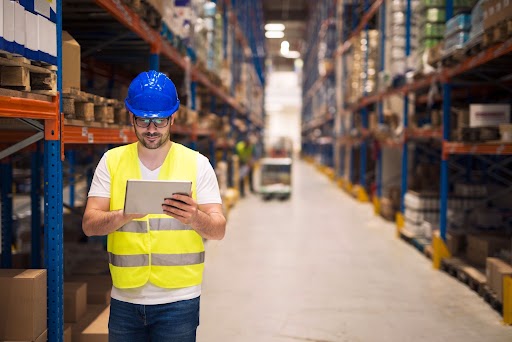
How FTZ 3PL Providers Tie Logistics Operations Together
Now, Let’s discuss about FTZ 3PL Providers. Third party logistics providers (or 3PLs) are a key part of the network that makes up a Foreign-Trade Zone.
A 3PL will oversee a range of functions, including everything from transportation and receiving a warehouse to inventory management and shipment preparation and distribution. The specific duties will vary depending on the services it offers and the operator’s licenses.
If you’re an importer who want to outsource cargo pickup from the port, goods being delivered to a licensed warehouse for storage, inventory management, and conveyance when the time comes, then you need a 3PL.
You need to confirm that the facility you choose is approved to conduct the particular FTZ operations you require. You’ll also need to verify which customs duties remain the importer’s obligation and which are assigned to customs brokers.
Integrating FTZ Warehouses Into Distribution Systems
After your products are stored or processed, they will need to be delivered to their next destination. That could be a factory, distribution centre, retail outlet, business, or even overseas.
Transportation and delivery arrangements are arranged by your distribution networks and connect your warehouses with these destinations.
For goods to be allowed to enter the US market, you need to go through the necessary customs procedures; only then they can be treated as free domestic stock. If you’re thinking of exporting those eligible goods, then you’ll have to go through them as well.
A well-organized distribution plan should take into account:
- Customer locations and delivery requirements.
- Available transportation options.
- Shipment quantities and schedules.
- Warehouse inventory levels.
- Required customs documentation.
- Special handling or packaging needs.
3PL distribution will be managed along with the warehouses and warehouse distribution. The coordination of 3PL with Warehouse and Warehouse Distribution is also effective.
Advantages of Linking Ports, Warehouses and Distribution
If all the logistics processes were to seamlessly come together, you could enjoy a number of potential benefits.
- When transportation providers and warehouses share the details of shipments, your teams can get ready to receive the trucks.
- With reliable records, it will be less difficult to track shipments and coordinate future shipments.
- Greater efficiency: Co-ordinated freight and warehouse timetable can reduce the time to process and place orders.
- Your potential cost savings on customs duties: Some qualified merchandise can go on duty deferral when stored in a FTZ. Note: FTZ status doesn’t mean that duties go away – you still have to pay.
How Businesses Can Develop an Effective FTZ Logistics Strategy
Before you start to choose an FTZ configuration, take the time to look over your entire supply chain.
Begin by considering which are the ports you import through, how much you expect to be shipping, storage requirements for your goods and final delivery points.
And finally, verify that the compound you’re interested in is approved for whatever you need it for. Inquire about the inventory control, the security protocols, the transportation access and the reporting methods.
Open lines of communication. Designate roles and tasks for the importer, logistics provider, carrier and customs broker. And keep tabs on metrics, such as receiving accuracy, inventory discrepancies, late shipments and transportation costs, so you can identify ways to improve.
Conclusion
It links ports, authorized warehouses, and distribution systems in the FTZ with coordinated transportation, distribution, inventory, and customs operations.
California importers, manufacturers and distributors can improve supply chain organization and be eligible to realize customs benefits for their eligible goods.
The secret is getting it all to work smoothly. Whether it’s port collection, warehouse accepting or final distribution having trustworthy logistics partners, good records and an understanding of who does what with customs.
Want to learn more about our 3PL logistics solutions and how we can help your warehousing, transportation, and distribution requirements? Check out the logistics services and see if they suit your supply chain!