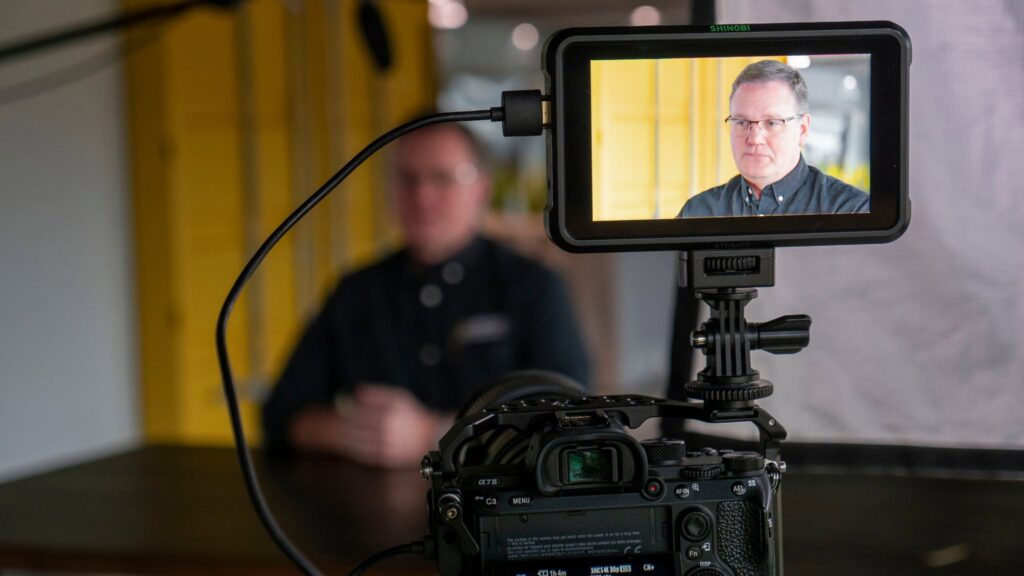
A corporate video is not just about showing people working, products being made, or teams sharing ideas. It is also about making viewers feel connected to what they see. Small camera choices can make a big difference here, and depth of field is one of them. When planning corporate production services, we often think about lighting, camera movement, sound, and editing. But the way a shot is focused can also change how a story feels. It can guide attention, create emotion, and make ordinary workplace moments more interesting. Sometimes, a simple change in focus is all a scene needs.
What Does Depth of Field Mean in Video Production?
Depth of field refers to the area of an image that appears sharp and clear. Depending on the camera settings and lens, a shot can have a wide area in focus or a narrow one.
For example, imagine filming an employee explaining a new process. If the employee is sharp while the background is softly blurred, viewers naturally pay attention to the speaker. Now, if the entire room is in focus, the audience can also notice the equipment, workspace, and other details.
Neither approach is wrong. The trick is knowing which one suits the moment.
How Does Focus Guide the Viewer’s Attention?
We all know how easy it is to get distracted when too many things happen at once. The same thing can happen while watching a corporate video.
A shallow depth of field helps separate the main subject from the background. It keeps viewers focused on what matters instead of letting their eyes wander around the frame.
This works especially well during interviews, employee introductions, and close-up shots of important tasks. A blurred background can also make a busy office or factory look less distracting without changing the actual location.
On the other hand, a deeper focus works nicely when the surroundings are part of the story. If a video shows a team working together, keeping several people and workplace details clear can help viewers understand the scene.
Creating Emotion Through Different Focus Styles
Here is something interesting… focus can affect how a scene feels without changing a single word of dialogue.
A close shot with a soft background can make an interview feel personal and relaxed. It brings viewers closer to the person speaking. This is useful when sharing employee experiences, leadership messages, or customer stories.
A wider depth of field can create a more open feeling. It allows viewers to take in the full environment and understand how people interact with one another.
When working on corporate storytelling, we should think beyond making every shot look attractive. Each camera choice needs a reason. A personal conversation may need a gentle, focused look, while a lively workplace scene might benefit from more detail.
Choosing the Right Depth of Field for Workplace Scenes
Different corporate settings call for different filming approaches. A quiet office interview, a busy production floor, and a team meeting do not need to look the same.
For example, a shallow depth of field can make an executive interview feel clean and professional. In manufacturing footage, deeper focus may be more useful because viewers need to see the machinery, tools, and employee actions clearly.
Video production Detroit projects covering different workplace environments also benefit from this kind of planning. Every location has its own visual character, and the focus should support what the audience needs to understand.
The important thing is to avoid using background blur just because it looks cinematic. If viewers cannot understand what is happening, the visual effect is not helping the story.
The Role of Camera Settings and Lens Selection
Depth of field is influenced by a few important camera choices. Aperture is one of the biggest factors. A wider aperture, such as f/1.8, generally creates a shallower depth of field, while a smaller aperture, such as f/8, keeps more of the scene in focus.
Lens choice matters too. Longer focal lengths can create stronger background separation, depending on the shooting distance and framing.
The distance between the camera, subject, and background also plays a part. Moving the subject farther from the background can create a softer look without relying entirely on a wide aperture.
These details might sound technical, but they become easier with practice. The goal is not to use complicated settings. It is to find a look that makes the message easier to follow.
Avoiding Common Depth of Field Mistakes
Too much background blur can become a problem, especially in workplace demonstrations. If important tools, actions, or people disappear into an unclear background, viewers may miss useful information.
Another common issue is poor focus during movement. When an employee moves while speaking or demonstrating something, the camera operator needs to keep the subject sharp. Otherwise, the shot can feel distracting.
We should also avoid switching between very shallow and very deep focus without a clear reason. A consistent visual approach makes the final video feel more natural.
Making Every Shot Support the Story
Depth of field is a small creative decision with a noticeable effect on corporate videos. It can highlight a speaker, explain a work process, show teamwork, or make a simple moment feel more personal.
The best approach is to let the story lead the camera choices. Some scenes need a soft background, while others need every detail to remain visible. When we use focus with purpose, the video feels more connected, clear, and enjoyable to watch.
Frequently Asked Questions
What is depth of field in corporate video production?
Depth of field is the area of a video frame that appears sharp. It determines whether only the main subject or several elements in the background remain in focus.
Why is shallow depth of field useful for corporate interviews?
It separates the speaker from the background and helps viewers concentrate on the person’s expressions and message. It can also give interviews a more personal appearance.
When should filmmakers use a deep depth of field?
A deep depth of field is useful when the surroundings are important to the story. Workplace demonstrations, factory tours, team activities, and equipment footage often benefit from keeping more details sharp.
Does lens selection affect depth of field?
Yes. Different lenses and focal lengths can change how much of a scene appears in focus. Aperture, camera distance, and the distance between the subject and background also influence the result.
Can too much background blur affect a corporate video?
Yes. Excessive blur can hide important workplace details and make demonstrations harder to understand. The focus should always support the purpose of the scene rather than simply create a cinematic appearance.