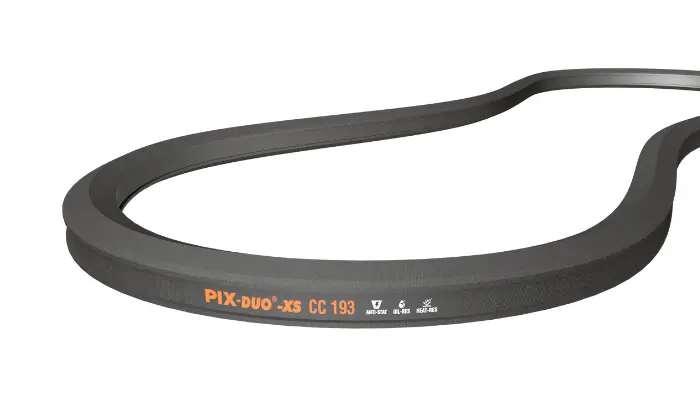
Machines are expected to run smoothly, quietly, and without constant interruptions. But sometimes, the real reason behind poor performance is not the machine itself. It is a small, often ignored part that quietly carries the load every day.
Rubber belts play a key role in transferring motion and power inside machines. When they are made poorly or used incorrectly, the effects slowly begin to show. At first, it may seem like a minor issue. Over time, it can turn into lost productivity, higher costs, and unexpected breakdowns. What makes this even more concerning is how quietly the problem develops before anyone notices it.
What Makes a Rubber Belt “Poor Quality”?
Not all belts are created with the same level of care. Some are built to handle pressure, heat, and long working hours, while others begin to fail much earlier. A poor-quality belt often has weak material, uneven thickness, or a rough finish. It may look acceptable when first installed, but its performance under real conditions tells a different story.
Early warning signs are usually subtle. Cracks may begin to appear sooner than expected, the belt may stretch and lose its proper tension, and the surface may become uneven, leading to unstable movement. In many cases, overheating becomes noticeable during normal operation. These signs are easy to overlook, especially in busy work environments, but they are often the first hints of a deeper problem.
Note:
How Machine Efficiency Starts to Drop
Efficiency depends on how smoothly and consistently a machine can perform its task. When belts are not reliable, this balance is disturbed. One of the first issues that appears is the loss of proper power transfer. A well-made belt ensures that energy moves smoothly from one component to another. A poor one struggles, often slipping or stretching too much, which leads to wasted energy.
As this continues, machines begin to consume more power to maintain the same level of output. This increase is not always immediately obvious, but over time it shows up in higher energy bills and added strain on the system. The machine works harder, but the results do not improve, creating a gap between effort and performance.
The Hidden Cost of Frequent Breakdowns
At first glance, choosing a lower-cost belt may seem like a practical decision. However, the long-term impact often tells a different story. Poor-quality belts tend to fail more often, and each failure comes with consequences. Production stops, workers are forced to pause their tasks, and repair work becomes necessary.
This repeated cycle of failure and repair adds up quickly. What seemed like a small saving at the start turns into a much larger expense over time. The true cost is not just in replacing the belt, but in the disruption it causes across operations.
Performance Comparison
| Factor | High-Quality Belt | Poor-Quality Belt |
|---|---|---|
| Lifespan | Long-lasting | Short lifespan |
| Maintenance Needs | Low | High |
| Performance Stability | Consistent | Unstable |
| Energy Efficiency | Better | Lower |
| Failure Rate | Rare | Frequent |
This comparison highlights how differences in quality directly influence machine performance and reliability. While both types of belts may appear similar initially, their long-term behavior is very different.
Impact on Machine Components
A belt is only one part of a larger system, but its condition affects everything around it. When the belt does not perform properly, it places additional stress on connected parts such as pulleys and motors. This leads to faster wear and tear, misalignment, and increased vibration.
Over time, even well-built machines begin to show signs of strain. Components that should last for years may start failing earlier than expected. This not only increases maintenance costs but also reduces the overall lifespan of the equipment.
Another serious concern is the risk of sudden failure. A weak belt can break without warning, bringing the entire operation to an immediate stop. This kind of unexpected disruption can have a significant impact, especially in environments where continuous operation is critical.
Maintenance Becomes More Demanding
When poor-quality belts are in use, maintenance teams often find themselves dealing with constant issues. Instead of following a planned schedule, they are forced to respond to frequent problems. Belts need to be replaced more often, tension requires repeated adjustments, and alignment must be checked regularly.
This reactive approach increases workload and takes attention away from other important maintenance tasks. Over time, it creates inefficiency not just in machines, but also in the way work is managed.
Effects on Production Quality
The influence of poor belts goes beyond machine performance and extends to the quality of the final product. When belts slip or move unevenly, the entire process becomes unstable. This instability can result in inconsistent output, production errors, and increased material waste.
In industries where accuracy is important, even small variations can lead to noticeable defects. The connection between belt quality and product quality is often underestimated, but it plays a crucial role in maintaining consistent results.
Production Impact Overview
| Issue Caused by Poor Belts | Result in Production |
|---|---|
| Slippage | Uneven processing |
| Vibration | Defects in products |
| Sudden Stops | Interrupted workflow |
| Overheating | Material damage |
| Misalignment | Reduced accuracy |
These issues often develop gradually, making them harder to trace back to the root cause. By the time they become obvious, the impact has already spread across the production process.
Why the Problem Often Goes Unnoticed
One of the most challenging aspects of poor-quality belts is how easily their impact can be missed. Machines continue to run, and work appears to go on as usual. However, behind the scenes, efficiency slowly declines.
This gradual change creates a false sense of normalcy. Since there is no immediate failure, the problem does not attract attention. It is only when a major breakdown occurs or costs rise significantly that the issue becomes clear.
The Long-Term Impact on Operations
As time passes, the effects become more serious and more difficult to manage. Operating costs increase, downtime becomes more frequent, and the overall lifespan of machinery decreases. At the same time, production quality may begin to suffer, leading to further complications.
These are not sudden problems but the result of ongoing inefficiencies that build up over time. Addressing them later often requires more effort and expense than preventing them in the first place.
Final Thoughts
Small components can have a big influence on how machines perform. Poor-quality belts may not cause immediate failure, but they slowly reduce efficiency, increase costs, and create hidden challenges across the system.
Understanding this connection helps in making better decisions and avoiding unnecessary problems. Paying attention to these details can make a significant difference in long-term performance and reliability.
When selecting the right Rubber Belts, it is important to focus on long-term performance rather than short-term savings. Reliable manufacturers like PIX Russia are known for consistent quality and durability. If you want to reduce downtime and improve machine efficiency, Contact them to find the right solution for your needs.
Machines are expected to run smoothly, quietly, and without constant interruptions. But sometimes, the real reason behind poor performance is not the machine itself. It is a small, often ignored part that quietly carries the load every day.
Rubber belts play a key role in transferring motion and power inside machines. When they are made poorly or used incorrectly, the effects slowly begin to show. At first, it may seem like a minor issue. Over time, it can turn into lost productivity, higher costs, and unexpected breakdowns. What makes this even more concerning is how quietly the problem develops before anyone notices it.
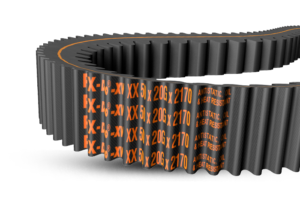
What Makes a Rubber Belt “Poor Quality”?
Not all belts are created with the same level of care. Some are built to handle pressure, heat, and long working hours, while others begin to fail much earlier. A poor-quality belt often has weak material, uneven thickness, or a rough finish. It may look acceptable when first installed, but its performance under real conditions tells a different story.
Early warning signs are usually subtle. Cracks may begin to appear sooner than expected, the belt may stretch and lose its proper tension, and the surface may become uneven, leading to unstable movement. In many cases, overheating becomes noticeable during normal operation. These signs are easy to overlook, especially in busy work environments, but they are often the first hints of a deeper problem.
How Machine Efficiency Starts to Drop
Efficiency depends on how smoothly and consistently a machine can perform its task. When belts are not reliable, this balance is disturbed. One of the first issues that appears is the loss of proper power transfer. A well-made belt ensures that energy moves smoothly from one component to another. A poor one struggles, often slipping or stretching too much, which leads to wasted energy.
As this continues, machines begin to consume more power to maintain the same level of output. This increase is not always immediately obvious, but over time it shows up in higher energy bills and added strain on the system. The machine works harder, but the results do not improve, creating a gap between effort and performance.
The Hidden Cost of Frequent Breakdowns
At first glance, choosing a lower-cost belt may seem like a practical decision. However, the long-term impact often tells a different story. Poor-quality belts tend to fail more often, and each failure comes with consequences. Production stops, workers are forced to pause their tasks, and repair work becomes necessary.
This repeated cycle of failure and repair adds up quickly. What seemed like a small saving at the start turns into a much larger expense over time. The true cost is not just in replacing the belt, but in the disruption it causes across operations.
Performance Comparison
| Factor | High-Quality Belt | Poor-Quality Belt |
|---|---|---|
| Lifespan | Long-lasting | Short lifespan |
| Maintenance Needs | Low | High |
| Performance Stability | Consistent | Unstable |
| Energy Efficiency | Better | Lower |
| Failure Rate | Rare | Frequent |
This comparison highlights how differences in quality directly influence machine performance and reliability. While both types of belts may appear similar initially, their long-term behavior is very different.
Impact on Machine Components
A belt is only one part of a larger system, but its condition affects everything around it. When the belt does not perform properly, it places additional stress on connected parts such as pulleys and motors. This leads to faster wear and tear, misalignment, and increased vibration.
Over time, even well-built machines begin to show signs of strain. Components that should last for years may start failing earlier than expected. This not only increases maintenance costs but also reduces the overall lifespan of the equipment.
Another serious concern is the risk of sudden failure. A weak belt can break without warning, bringing the entire operation to an immediate stop. This kind of unexpected disruption can have a significant impact, especially in environments where continuous operation is critical.
Maintenance Becomes More Demanding
When poor-quality belts are in use, maintenance teams often find themselves dealing with constant issues. Instead of following a planned schedule, they are forced to respond to frequent problems. Belts need to be replaced more often, tension requires repeated adjustments, and alignment must be checked regularly.
This reactive approach increases workload and takes attention away from other important maintenance tasks. Over time, it creates inefficiency not just in machines, but also in the way work is managed.
Effects on Production Quality
The influence of poor belts goes beyond machine performance and extends to the quality of the final product. When belts slip or move unevenly, the entire process becomes unstable. This instability can result in inconsistent output, production errors, and increased material waste.
In industries where accuracy is important, even small variations can lead to noticeable defects. The connection between belt quality and product quality is often underestimated, but it plays a crucial role in maintaining consistent results.
Production Impact Overview
| Issue Caused by Poor Belts | Result in Production |
|---|---|
| Slippage | Uneven processing |
| Vibration | Defects in products |
| Sudden Stops | Interrupted workflow |
| Overheating | Material damage |
| Misalignment | Reduced accuracy |
These issues often develop gradually, making them harder to trace back to the root cause. By the time they become obvious, the impact has already spread across the production process.
Why the Problem Often Goes Unnoticed
One of the most challenging aspects of poor-quality belts is how easily their impact can be missed. Machines continue to run, and work appears to go on as usual. However, behind the scenes, efficiency slowly declines.
This gradual change creates a false sense of normalcy. Since there is no immediate failure, the problem does not attract attention. It is only when a major breakdown occurs or costs rise significantly that the issue becomes clear.
The Long-Term Impact on Operations
As time passes, the effects become more serious and more difficult to manage. Operating costs increase, downtime becomes more frequent, and the overall lifespan of machinery decreases. At the same time, production quality may begin to suffer, leading to further complications.
These are not sudden problems but the result of ongoing inefficiencies that build up over time. Addressing them later often requires more effort and expense than preventing them in the first place.
Final Thoughts
Small components can have a big influence on how machines perform. Poor-quality belts may not cause immediate failure, but they slowly reduce efficiency, increase costs, and create hidden challenges across the system.
Understanding this connection helps in making better decisions and avoiding unnecessary problems. Paying attention to these details can make a significant difference in long-term performance and reliability.
When selecting the right Rubber Belts, it is important to focus on long-term performance rather than short-term savings. Reliable manufacturers like PIX Russia are known for consistent quality and durability. If you want to reduce downtime and improve machine efficiency, Contact them to find the right solution for your needs.