Choosing between transformer suppliers in Ireland can look pretty simple at first. You compare prices, check delivery times, maybe look at a few websites, and pick the one that seems to tick the boxes. But that approach can cause problems later. Transformers are not exactly a product you want to replace because the supplier cut a few corners. They sit at the heart of electrical systems, and when something goes wrong, the knock-on effects can be serious. Downtime, equipment damage, project delays, unhappy customers. None of it is cheap. So, the first thing to understand is that a reliable supplier is selling more than a transformer. They should be offering the right technical solution, proper support, and confidence that the equipment will perform when it actually matters.
Look at Their Technical Experience
Experience matters here, probably more than people realise. A supplier that has been around the electrical engineering sector for years will usually understand that transformers aren’t one-size-fits-all equipment. Your application might need a distribution transformer, isolation transformer, control transformer, or another specialist design depending on the load and operating conditions. A decent supplier should ask questions before recommending anything. What is the required capacity? Where will the transformer operate? What are the voltage requirements? Is space limited? Are there environmental or installation concerns? If someone gives you a price without really understanding the project, that’s a warning sign. The truth is, technical mistakes at the selection stage can become expensive problems once equipment is installed. You want people who know transformers, not just people who know how to send a quotation.
Check Quality, Standards and Testing
The next thing to investigate is how the equipment is designed, built, and tested. Reliable transformer manufacturers and suppliers should be able to explain the standards their products are designed to meet and provide relevant technical documentation. Depending on the application, that may include information on efficiency, insulation, temperature rise, short-circuit performance, losses, enclosure ratings, and routine testing. Don’t be afraid to ask for test certificates or product specifications. A serious supplier won’t act like you’re being difficult for asking. They should expect it. This is especially important for commercial and industrial projects where equipment needs to meet defined specifications. A transformer may look perfectly fine from the outside and still have issues that only proper testing will reveal. Cutting through that uncertainty before purchase is just smart business.
Understand Which Transformer Type Fits the Job
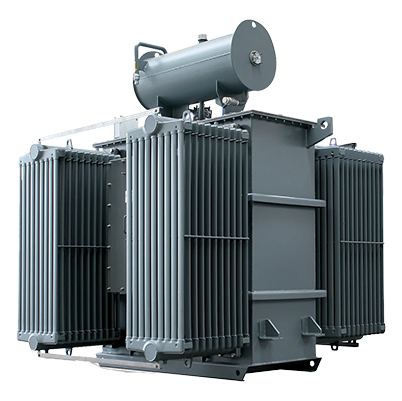
It also pays to understand, at least broadly, what type of transformer your project actually needs. Dry-type and cast resin transformers, for example, are often considered where fire safety, indoor installation, and reduced maintenance are important. Oil-filled designs have their own advantages and are commonly used in larger distribution applications where their characteristics make sense. When researching oil transformers in Ireland, don’t just focus on the equipment’s initial purchase cost. Look at operating conditions, maintenance requirements, installation arrangements, environmental considerations, and the supplier’s ability to support the unit over its service life. The right choice depends heavily on the site. Sometimes the cheapest option on paper isn’t the cheapest option after installation, servicing, and energy losses are considered. That’s where proper engineering advice becomes valuable.
Ask About Customisation and Project Requirements
Another good test is how flexible the supplier is when your requirements don’t fit a standard catalogue item. Real projects can be awkward. There may be restricted access, unusual voltage requirements, limited floor space, special connection arrangements, or a particular enclosure specification. A reliable transformer supplier should be able to discuss these issues rather than simply saying, “that’s what we have.” Custom-designed or modified transformers can sometimes make a big difference to installation and long-term operation. Of course, customisation should still be technically justified. You don’t want unnecessary extras piled onto the specification either. A good supplier will tell you what is genuinely needed and, importantly, what isn’t. That kind of honesty is worth something. Maybe more than a flashy brochure.
Consider Delivery, Installation and Support
A transformer isn’t much use sitting in a warehouse when your project is waiting for it. Delivery capability should therefore be part of the conversation from day one. Ask about expected lead times, transport arrangements, packaging, site access requirements, and what happens if the schedule changes. Large electrical equipment isn’t always straightforward to move into position, particularly on busy industrial sites or projects with tight access. Installation support can matter too. Some suppliers provide guidance for positioning, connections, commissioning and testing, while others simply deliver the unit and disappear. Neither approach is automatically wrong, but you need to know what you’re getting. And after commissioning? Ask about technical support, spare parts, inspections and repairs. A supplier who stays involved after the invoice is paid is generally a safer bet.
Check Reputation Without Taking Marketing at Face Value
Every supplier’s website will tell you they’re reliable. Naturally. That’s why it’s worth looking a little deeper. Look for evidence of completed projects, relevant industry experience, technical capabilities, and customer feedback. If possible, ask whether they have supplied transformers for applications similar to yours. A supplier experienced with industrial facilities may have a very different skill set from one mainly handling small commercial requirements. References can help, too. You don’t need twenty testimonials. A couple of genuine examples are often more useful than pages of vague praise. Also pay attention to how the company answers technical questions. If responses are clear and specific, that’s encouraging. If every question somehow gets redirected back to price, take a step back. Good engineering isn’t always easy to explain, but good suppliers should at least be willing to explain it.
Compare the Full Cost, Not Just the Quotation
Price still matters, obviously. Nobody wants to overpay. But buying a transformer purely because it has the lowest quotation is a risky move. Consider the full cost of ownership instead. Energy efficiency can affect running costs for years, while maintenance requirements can influence labour and downtime expenses. Reliability has a financial value too, even if it doesn’t appear as a neat line on the quotation. A supplier offering a slightly more expensive unit with better efficiency, stronger technical support and a longer service life may actually provide the better deal. Get detailed quotations and check what is included. Delivery, testing, documentation, accessories, commissioning and warranty terms can vary. Comparing two numbers at the bottom of two different quotations doesn’t tell you much. Compare what those numbers actually buy you.
Choose a Supplier You Can Trust Long Term
In the end, choosing reliable oil transformers in Ireland suppliers comes down to more than finding equipment that meets today’s specification. You want a company that understands electrical engineering, takes quality seriously, communicates clearly, and will still answer the phone when there’s a problem six months down the line. Let’s be real, that’s when supplier relationships get tested. Look at technical experience, product quality, compliance, delivery, customisation, support, and total operating cost before making the decision. Take your time with the selection. Ask uncomfortable questions if you need to. The right transformer can operate quietly for years without causing trouble, which is exactly what you want. The right supplier helps make that possible. The short answer is simple: don’t buy on price alone. Buy confidence, competence, and equipment that is actually suited to the job.