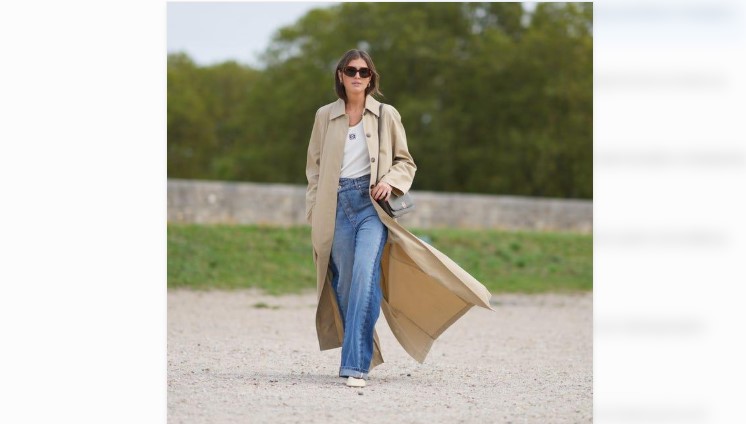
Dressing for changing temperatures becomes easier when you build your outfit around lightweight, removable layers. A jacket with long sleeves, a breathable top, and comfortable bottoms provides flexibility throughout the day. You can stay warm during an early morning walk and remove an outer layer when the afternoon becomes warmer without changing your entire outfit.
Why Does Layering Work for Changing Daily Temperatures?
Layering works because you can add or remove clothing as the temperature changes. Instead of wearing one heavy garment, combine lighter pieces that provide comfort at different times of the day.
This approach is especially useful during spring and fall, when mornings may feel chilly while afternoons become noticeably warmer. It also works well when traveling between outdoor spaces, shopping centers, offices, and air-conditioned restaurants.
A practical outfit starts with a breathable base layer. Add a lightweight outer garment for morning coverage, then choose bottoms and footwear that remain comfortable throughout your activities.
The advantage is flexibility. You do not need to carry a completely separate outfit when the weather changes.
How Should You Choose a Jacket With Long Sleeves?
Choose a jacket with long sleeves that provides enough warmth in the morning without feeling heavy during the rest of the day. Lightweight fabrics, comfortable cuts, and easy-to-remove designs make everyday layering more practical.
Consider Lightweight Fabrics
Fabric weight plays an important role in comfort. Soft cotton blends, lightweight knits, and other breathable materials can provide coverage without adding excessive warmth.
Consider how the fabric feels against your skin and whether it allows comfortable movement. If you plan to wear the jacket indoors, choose a material that does not feel too warm in heated or air-conditioned environments.
Choose a Comfortable Fit
Your outer layer should leave enough room for a top underneath. However, an overly loose jacket can create unnecessary bulk around the shoulders and waist.
Check the sleeve length, shoulder fit, and overall garment length. You should be able to reach, bend, and move naturally without adjusting your clothing throughout the day.
Look for Versatile Colors
Neutral shades such as black, navy, gray, and beige coordinate easily with printed tops and everyday basics. If you enjoy colorful clothing, select a jacket that complements several pieces already in your wardrobe.
This makes it easier to create multiple outfits without buying additional clothing for every combination.
What Should You Wear Under a Lightweight Jacket?
A breathable top is the most practical base layer because it helps you stay comfortable when you remove your outer garment. Choose a fabric and fit that feel pleasant throughout your daily activities.
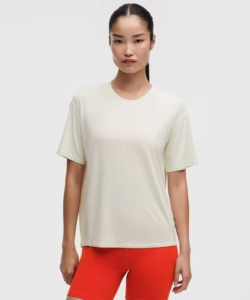
A simple short-sleeve shirt works well for warmer afternoons. If you prefer additional coverage, consider a lightweight long-sleeve top made from breathable fabric.
Printed tunics also offer a useful option. Their longer silhouettes pair naturally with leggings, capris, and straight-leg trousers.
For example, wear a colorful tunic with neutral trousers and a lightweight jacket during a cool morning. When the afternoon warms up, remove the jacket and keep the rest of your outfit unchanged.
Avoid wearing thick sweaters beneath lightweight outerwear. Too many heavy layers can make it difficult to adjust your outfit comfortably.
How Can You Style One Outfit for Morning and Afternoon?
You can create a versatile outfit by choosing three coordinating pieces that work independently and together. Start with a comfortable base, add removable coverage, and finish with practical accessories.
Here is a simple combination:
- Morning: Wear a breathable top, comfortable trousers, and a lightweight jacket with long sleeves.
- Late morning: Unbutton or open the jacket as the temperature rises.
- Afternoon: Remove the jacket and carry it in a lightweight tote if needed.
- Evening: Put the jacket back on when the air becomes cooler.
Footwear also matters. Comfortable flats, walking shoes, or supportive sandals can work depending on your activities and the weather.
Choose accessories that do not add unnecessary bulk. A lightweight scarf or compact handbag can provide practical support without making your outfit complicated.
What Are the Best Layering Choices for Women Over 50?
Women over 50 can build comfortable everyday outfits by prioritizing breathable fabrics, flattering proportions, and easy-to-wear designs. The goal is to choose clothing that supports movement while reflecting personal style.
Relaxed-fit tops, lightweight jackets, and comfortable trousers create a useful foundation. If you prefer more coverage around your arms, a jacket with long sleeves offers an easy option without requiring heavy clothing.
Pay attention to garment length when combining different pieces. A longer top can pair nicely with straight-leg trousers, while a shorter jacket can create balance with a relaxed tunic.
You should also consider how frequently you will wear each item. Clothing that coordinates with several existing outfits offers more practical value than pieces suited to only one occasion.
What Common Layering Mistakes Should You Avoid?
The most common mistake is choosing clothing that works for only one temperature. A heavy morning outfit can become uncomfortable by midday, especially when you spend time walking or moving between indoor and outdoor spaces.
Avoid these mistakes:
- Wearing thick fabrics underneath an already warm jacket.
- Choosing sleeves that restrict arm movement.
- Combining several loose-fitting layers that create unnecessary bulk.
- Ignoring fabric care and washing instructions.
- Forgetting to consider afternoon temperatures when planning your outfit.
Before leaving home, check the expected weather and think about how active your day will be. A little planning can help you select layers that remain comfortable for longer.
Conclusion
Changing temperatures do not have to make everyday dressing difficult. A jacket with long sleeves, paired with breathable basics and comfortable bottoms, gives you a simple way to adjust your outfit throughout the day. Focus on lightweight fabrics, flexible fits, and versatile colors. The key is to build an outfit that keeps you comfortable in the morning and remains practical when the afternoon gets warmer.
Frequently Asked Questions
What is the best jacket for cool mornings and warm afternoons?
A lightweight jacket with long sleeves is a practical choice because you can remove it as temperatures rise. Choose breathable fabric and a comfortable fit that works over your regular tops.
How do you layer clothes without feeling too warm?
Start with a lightweight base layer and add one removable outer garment. Avoid thick fabrics and choose materials that allow airflow and comfortable movement.
What should women over 50 wear during changing weather?
Women over 50 can choose breathable tops, lightweight jackets, comfortable trousers, and easy-to-coordinate accessories. Prioritize fit, movement, and versatile designs that work for different parts of the day.