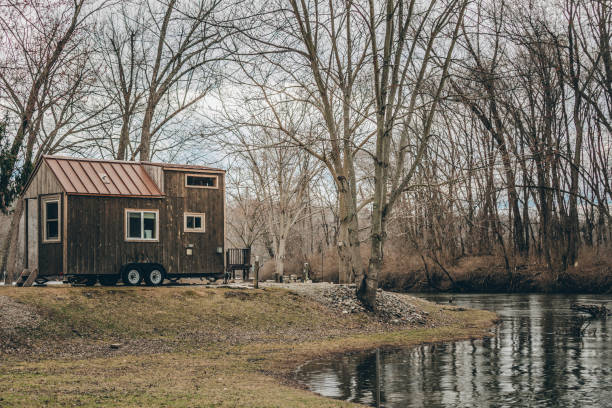
Buying an adu for sale can look pretty simple at first. You see a small, attractive home, the price seems reasonable, and you start imagining it in the backyard, on a rental property, or maybe as a place for family. But there’s more going on than square footage and nice finishes. An accessory dwelling unit can be a useful investment, but a bad purchase can also turn into a pile of permits, repairs, zoning problems, and unexpected costs. The smart move is to slow down before getting excited. Look at the property itself, the land, the paperwork, the utility setup, and what you actually plan to do with it. You don’t need to be an expert contractor. You just need to ask the right questions and pay attention when something doesn’t add up.
Understand What You’re Actually Buying
An ADU, or accessory dwelling unit, is generally a smaller independent living space located on the same property as a primary residence. It might be detached, attached to the main house, above a garage, or converted from an existing structure. That sounds straightforward, but every property can be different. Some are sold as complete homes ready to move into. Others are unfinished units that still need work before anyone can legally live there. Before making an offer, find out exactly what is included in the sale. Appliances, heating and cooling systems, plumbing fixtures, parking, outdoor space, and even storage can affect the real value. A low asking price doesn’t mean much if you have to spend a lot just to make the unit functional. Read the listing carefully, then verify what the seller says.
Check Zoning and Local Rules First
This is the part people sometimes skip because it isn’t exciting. It matters a lot, though. Before buying an ADU, check local zoning regulations and confirm that the unit is legally permitted for its current use. Rules can cover setbacks, maximum size, height, parking, occupancy, rental use, and where the structure can sit on the lot. If the unit was built without proper approval, you could inherit the headache. Ask the local planning or building department whether permits were issued and whether inspections were completed. Don’t rely only on a seller saying, “It’s always been like this.” Maybe it has. That doesn’t automatically make it legal. A quick verification before closing can save you a much bigger problem later.
Inspect the Structure From Top to Bottom
A small building can still have big repair bills. Get a proper inspection and look beyond the paint and flooring. The inspector should check the roof, foundation, framing, windows, doors, insulation, electrical system, plumbing, heating, cooling, and ventilation. Pay attention to moisture stains, soft flooring, unusual smells, cracks, or patched areas. These may not always mean disaster, but they deserve a closer look. If the ADU is older, electrical capacity and plumbing may need upgrades to meet current standards. Don’t assume a freshly renovated unit is perfect either. Cosmetic improvements can hide older problems underneath. If something looks recently covered up, ask why.
Review Utilities and Operating Costs
Utilities are another area where a seemingly good ADU can get complicated. Find out whether the unit has separate electric, gas, water, and sewer connections or shares systems with the main home. Shared utilities aren’t necessarily bad, but they can make billing and rental management less convenient. You also need to know whether the existing systems have enough capacity for the additional living space. An older electrical panel, undersized water heater, or inefficient heating system could become your expense after purchase. Ask for recent utility bills when possible. Think about ongoing costs, not just the purchase price. The cheapest unit to buy isn’t always the cheapest one to own.
Evaluate the Layout and Everyday Function
Photos can make almost any tiny space look impressive. Visit the property in person if you can. Walk through the unit like you actually live there. Is there enough storage? Does furniture fit without blocking doors or walkways? Is the kitchen usable, or is it basically a counter with a microwave squeezed into the corner? Look at natural light, privacy, bathroom access, bedroom size, and ventilation. If you’re buying the ADU as a rental, think like a tenant. If it’s for a parent, adult child, guest, or yourself, think about long-term comfort. A clever floor plan can make a small unit work really well. A poorly planned one gets annoying fast.
Compare the Price With the Local Market
Price should never be judged by the building alone. Look at similar properties in the same area and compare condition, lot size, location, age, finishes, and legal status. A newer ADU with separate utilities may justify a higher price than an older unit needing upgrades. You should also consider how much similar units rent for if rental income is part of your plan. Don’t use optimistic numbers from a listing as your entire calculation. Research actual local demand. Vacancy, maintenance, insurance, taxes, and management costs can eat into returns. Sometimes the numbers work beautifully. Sometimes they really don’t. Be honest about which one you’re looking at.
Look at the Land and Access
The structure is only part of the purchase. Pay attention to the surrounding property. How do you reach the ADU? Is there a private entrance? Is parking available and legally allowed? Can contractors access the building if repairs are needed? Check drainage around the foundation and look for signs of standing water. Trees, fences, neighboring structures, and narrow driveways can also create problems. If the ADU shares a backyard with the primary residence, think about privacy for both occupants. Nobody wants a rental arrangement where the tenant and homeowner feel like they’re constantly in each other’s space.
Think About Your Long-Term Purpose
Before buying, be clear about why you want the unit. An ADU used for family housing has different priorities than one purchased as a rental or resale investment. If you want rental income, confirm local rules allow that use and understand any restrictions on long-term or short-term rentals. If you plan to use it as a guest house, comfort and privacy may matter more than maximum rental return. Your purpose should guide the evaluation. Otherwise, it’s easy to buy a property because it looks like a bargain and only later realize it doesn’t fit what you actually need.
Compare Financing, Insurance, and Future Expenses
Financing an ADU can be different from financing a standard single-family property, especially when the unit is part of a larger property or sold separately. Talk with a lender before you get too far into the process. Ask about down payment requirements, loan terms, appraisal issues, and whether the property qualifies for the financing you expect. Insurance deserves attention too. Make sure the ADU and its intended use are properly covered. Then create a rough repair and maintenance budget. Roofs fail. Water heaters quit. Appliances die at the worst possible time. Build some breathing room into your numbers. Tight budgets leave very little room for surprises.
Watch for Red Flags Before Making an Offer
There are a few warning signs worth taking seriously. Missing permits, unclear ownership, rushed sellers, unexplained additions, water damage, major foundation cracks, and inconsistent property records all deserve investigation. So does a price that seems dramatically lower than comparable properties. Cheap can be good, but cheap for no reason? That’s different. Ask questions and document the answers. If the seller avoids basic questions or pressures you to skip inspections, take a step back. You’re not being difficult. You’re protecting your money. A good deal should still make sense when you look at the boring details.
Compare Alternatives Before You Commit
It’s also worth looking beyond the first property you find. Depending on your location and goals, you might compare detached ADUs, garage conversions, manufactured options, or other compact housing choices. For example, someone shopping in Colorado may also come across a tiny house for sale colorado listings while researching smaller living spaces. That doesn’t mean a tiny house is automatically a better choice. It simply gives you another benchmark for price, size, mobility, construction quality, and intended use. Comparing alternatives can reveal whether the ADU you’re considering is actually a good value or just marketed well.
Conclusion: Make the Decision With Clear Eyes
Evaluating an ADU for sale is really about looking past the cute finishes and asking whether the property works financially, legally, and practically. Check permits. Inspect the structure. Understand utilities. Study the local market and think about future expenses. Most importantly, know what you want the property to do for you. An ADU can provide extra living space, rental potential, flexibility, and sometimes a strong long-term investment. But none of that is guaranteed just because the listing looks good. Take your time, ask uncomfortable questions, and walk away when the numbers or paperwork don’t make sense. There will always be another property. Buying the wrong one because you got excited about the idea is an expensive lesson, and honestly, there’s no reason to learn it that way.