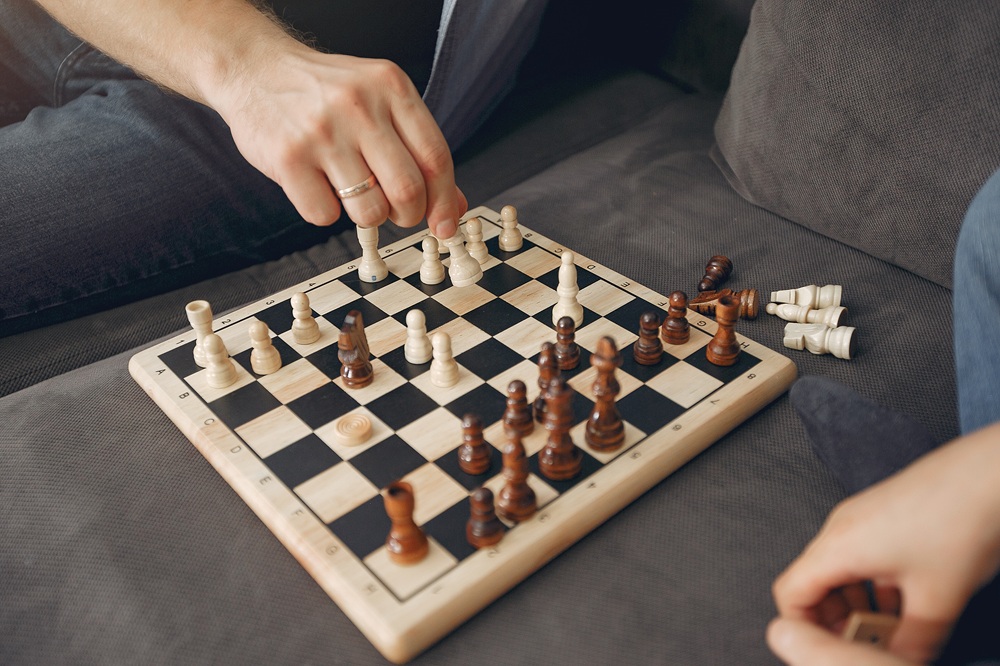
There’s a quiet difference between players who know openings and players who understand them. You can feel it in the first ten moves. One is just repeating memorized lines. The other is steering the game, calmly, almost casually, like they’ve been there before.
Most players think opening preparation means memorization. It doesn’t. Not really. Real preparation is about familiarity, patterns, and knowing what to do when things don’t go as planned. Because they won’t.
Somewhere along the way, many players turn to chess lessons hoping to fix their openings. And they do help, but only when the focus shifts from “what move comes next” to “why this move exists at all.” That’s where things begin to change.
Understanding Before Memorizing
It’s tempting to memorize lines. Quick wins. Easy confidence.
But here’s the problem—your opponent won’t always follow your script. They’ll deviate. Play something odd. Something uncomfortable. And suddenly, you’re out of preparation by move six.
That’s where most games are lost.
Instead of memorizing ten moves deep, strong players focus on:
- Pawn structures
- Piece activity
- Long-term plans
Take a simple opening. If you understand the pawn structure, you understand the game that follows. It becomes less about remembering and more about recognizing.
It’s quieter. But much more powerful.
The Myth of “Perfect Preparation”
There’s no such thing as perfect opening preparation. Even top players improvise early.
What they do have is clarity.
They know:
- Where their pieces belong
- What kind of middlegame they’re aiming for
- Which trades help them, and which don’t
That clarity doesn’t come from endless lines. It comes from studying fewer positions, more deeply.
That’s the shift most intermediate players need.
Build a Small, Strong Repertoire
You don’t need ten openings. You need two or three that you actually understand.
This is where most players go wrong. They jump between systems. Try everything. Stick to nothing.
Instead, build a repertoire like this:
- One opening as White
- One response to 1.e4
- One response to 1.d4
That’s enough.
And then, go deeper.
Study typical plans. Watch how games unfold. Notice where things go wrong. Over time, patterns start repeating. You’ll begin to recognize positions instead of calculating everything from scratch.
That’s when openings start to feel… natural.
Learning Through Game Analysis
Preparation doesn’t happen before the game. It happens after.
Every lost game is a lesson. Every unclear position is a clue.
But only if you look closely.
Instead of running your game through an engine and moving on, pause. Ask:
- Where did I feel uncomfortable?
- Which move confused me?
- What plan did I miss?
This kind of reflection builds understanding in a way no memorized line ever will.
At Metal Eagle Chess, this approach is central—real games, real mistakes, real insights. It’s slower than memorization, maybe. But it lasts.
Handling Specific Defenses (Like Caro Kann)
Some openings just feel annoying. Solid. Hard to break.
The Caro Kann is one of them.
Many players struggle here because they try to force ideas that don’t belong. They attack too early. Overextend. Lose structure.
Learning a proper caro kann defense counter isn’t about finding a trick. It’s about understanding:
- When to push
- When to develop quietly
- When to wait
There are systems that work. Reliable setups. But more important than the moves is the mindset—patience over aggression.
Once you understand that, the position stops feeling uncomfortable. It becomes playable. Even enjoyable.
Patterns Over Moves
Strong players don’t remember games move by move. They remember patterns.
A knight on an outpost. A weak square. A pawn break that changes everything.
These patterns show up again and again.
If you train your eye to see them, opening preparation becomes easier. You don’t panic when your opponent deviates. You adapt.
That’s the goal. Not perfection. Flexibility.
Common Mistakes in Opening Preparation
Some habits quietly hold players back:
- Studying too many openings at once
- Ignoring middlegame plans
- Relying only on engine suggestions
- Skipping game review entirely
It’s not about working harder. It’s about working with more intention.
Sometimes, doing less—more carefully—is what actually helps.
How to Practice Like a Pro
There’s a rhythm to good preparation. It’s not rushed.
A simple approach:
- Study one opening line
- Play a few games using it
- Review those games carefully
- Adjust your understanding
Then repeat.
Over time, your knowledge becomes layered. Not scattered.
This is where structured chess lessons make a difference. Not because they give you more information, but because they guide your focus. They help you stay consistent.
FAQs
How many openings should I learn?
Start small. Two or three is enough. Depth matters more than variety.
Is memorization important in openings?
To a degree, yes. But understanding plans and structures is far more important.
How do I prepare against tricky openings like Caro Kann?
Focus on ideas, not tricks. A solid caro kann defense counter comes from understanding the position, not forcing attacks.
Are chess lessons necessary for opening preparation?
Not always, but they speed up the process. Especially when they focus on strategy over memorization.
What’s the biggest mistake in opening study?
Skipping game analysis. Without it, improvement slows down significantly.
Final Thoughts
Preparing chess openings like a pro isn’t about knowing more. It’s about knowing better.
Fewer lines. Deeper understanding. Clearer plans.
It’s a quieter kind of confidence. The kind that doesn’t panic when something unexpected happens, because it isn’t relying on memory alone.
And that’s really the difference.
When your preparation is built on understanding, not just repetition, the opening stops being a phase you rush through.
It becomes something you control.