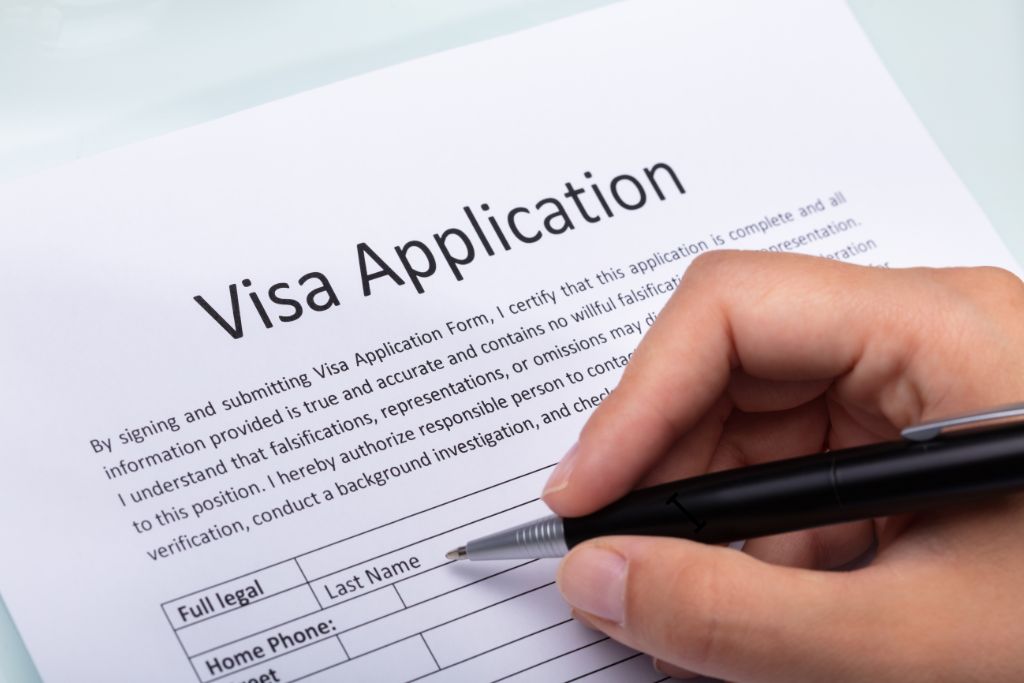
Applying for a visa can be a complex and detail-oriented process. One of the most important aspects of any visa application is the supporting evidence submitted to demonstrate eligibility, credibility, and compliance with immigration requirements. Incomplete, inconsistent, or insufficient documentation can result in delays, requests for additional information, or even visa refusals. Properly preparing and organizing evidence can significantly strengthen an application and improve the likelihood of approval.
Understand the Visa Requirements
The first step in preparing evidence is understanding the specific requirements of the visa category being applied for. Different visa types require different forms of documentation. For example, work visas may require employment contracts and proof of qualifications, while family-based visas often require evidence of relationships and financial support.
Applicants should carefully review the official immigration guidelines and create a checklist of required and supporting documents. Missing even a single mandatory document can negatively impact the application.
Gather Accurate Identity Documents
Identity documents form the foundation of every visa application. Applicants should ensure that passports, birth certificates, marriage certificates, and any other personal identification documents are current, accurate, and consistent across all records.
If any document is not in the required language, certified translations should be obtained. Immigration authorities closely review personal details such as names, dates of birth, and addresses, so consistency is essential.
Provide Strong Financial Evidence
Many visa categories require proof that the applicant has sufficient financial resources to support themselves during their stay. Strong financial evidence may include:
- Recent bank statements
- Tax returns
- Payslips
- Employment verification letters
- Business ownership records
- Investment statements
Applicants should ensure that financial documents clearly demonstrate stability and transparency. Large unexplained deposits or inconsistencies in financial records may raise concerns and lead to additional scrutiny.
Demonstrate Genuine Intentions
One of the key concerns for immigration authorities is whether an applicant genuinely intends to comply with the conditions of the visa. Evidence supporting genuine intentions may include:
- Employment commitments in the home country
- Property ownership documents
- Family ties
- Educational enrollment records
- Return travel arrangements
Providing evidence of strong connections to the applicant’s country of residence can help establish that the applicant intends to return after their authorized stay, where applicable.
Organize Relationship Evidence Carefully
For family, spouse, or partner visas, relationship evidence is often critical. Immigration officers assess whether the relationship is genuine and ongoing.
Helpful evidence may include:
- Marriage certificates
- Joint financial accounts
- Lease agreements
- Photographs together
- Travel records
- Communication logs
- Affidavits from family and friends
Rather than submitting a large volume of unorganized documents, applicants should present clear and relevant evidence that demonstrates the history and authenticity of the relationship.
Maintain Consistency Across Documents
Consistency is one of the most important factors in a successful visa application. Information provided in application forms should match the supporting documentation. Discrepancies regarding employment history, travel dates, addresses, or financial information can trigger concerns and requests for clarification.
Before submission, applicants should thoroughly review all documents to ensure accuracy and consistency. Any unavoidable discrepancies should be explained through a written statement supported by appropriate evidence.
Present Documents Professionally
A well-organized application can make it easier for immigration officers to review the evidence. Documents should be clearly labeled, arranged logically, and submitted in the required format. Creating a document index or table of contents can help streamline the review process and demonstrate professionalism.
Applicants should also retain copies of all submitted materials for future reference and potential follow-up requests.
Seek Legal Guidance When Necessary
Visa applications involving complex circumstances, prior refusals, inadmissibility concerns, or extensive documentation requirements may benefit from professional legal assistance. Australian Migration Lawyer can help identify evidentiary gaps, ensure compliance with immigration regulations, and present a compelling case on behalf of the applicant.
Conclusion
Strong evidence is the cornerstone of a successful visa application. By understanding visa requirements, gathering comprehensive documentation, maintaining consistency, and presenting evidence in a clear and organized manner, applicants can significantly improve their chances of approval. Careful preparation not only strengthens credibility but also helps avoid unnecessary delays and complications throughout the immigration process.