It might surprise you how many machine problems begin long before installation. In many cases, the damage starts during storage. A V belt that looks perfectly fine on the outside can slowly lose its strength, flexibility, and durability simply because it was kept in the wrong conditions.
So the real question is not just how to use them, but how to store them properly. Small storage mistakes can lead to cracks, stiffness, and early failure. The good part is that once you understand the basics, avoiding these problems becomes simple.
Why Proper Storage Matters More Than You Think
V belts are designed to handle pressure and movement, but when they are sitting unused, they become more sensitive to their surroundings. The rubber material reacts to temperature, light, moisture, and even the air around it. These factors may seem harmless at first, but over time they can slowly change the structure of the belt.
When storage conditions are not ideal, the belt may begin to develop surface cracks, lose its flexibility, or become stiff. These changes are often not visible immediately, which is why many people only notice the issue when the belt fails during use. This is what makes proper storage so important. It protects the belt even before it is put into action.
Note:
If you want to handle and store V Belts(Клиновые ремни) the right way, learning from reliable industry sources can make a real difference. PIX Russia shares helpful knowledge and practical guidance to support better belt care and usage. For more details or expert advice, Contact them and explore smarter ways to protect your equipment.
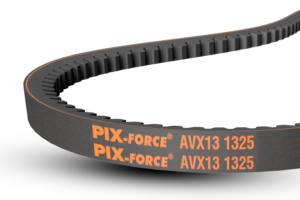
The Ideal Storage Conditions for V Belts
Creating the right storage environment does not require anything complex, but it does need consistency. Temperature plays a key role. A cool and stable environment helps slow down the natural ageing process of rubber. When belts are exposed to high temperatures, they tend to harden faster, which reduces their life.
Light is another factor that often goes unnoticed. Direct sunlight or strong artificial light can damage the surface of the belt over time. This is why storing belts in a covered or shaded area is always a better choice.
Moisture also has a quiet but strong impact. A damp environment can weaken the material and increase the chances of cracking later. Keeping the storage space dry helps maintain the original condition of the belt.
Air quality matters too. If belts are stored near chemicals, oil vapors, or strong fumes, the rubber can react with these elements. This reaction slowly weakens the belt, even if it looks fine from the outside.
Common Storage Mistakes That Cause Damage
Many storage problems are not caused by the environment, but by simple handling mistakes. One common issue is hanging belts on small or sharp hooks. This can bend them out of shape, which later affects their performance.
Another mistake is stacking too many belts on top of each other. The weight can compress the belts at the bottom, changing their shape and reducing their effectiveness. Folding or twisting belts is also harmful, as it creates stress points that can turn into cracks over time.
The table below gives a clear view of how these mistakes affect belts:
| Storage Mistake | What Happens | Long-Term Effect |
|---|---|---|
| Hanging on sharp hooks | Bending and stretching | Loss of shape |
| Stacking under heavy load | Compression damage | Reduced performance |
| Folding belts | Internal stress | Cracking over time |
| Exposure to sunlight | Material breakdown | Shorter lifespan |
| Storing near chemicals | Chemical reaction | Weakening of rubber |
Best Practices for Safe Storage
The right storage approach focuses on keeping the belt in its natural form and protecting it from harmful conditions. Belts should always be placed on flat surfaces or supported on large racks so they do not bend or lose their shape. Keeping them in their original packaging is also helpful, as it protects them from dust and light.
It is also important to use older belts first. Rotating stock ensures that no belt stays unused for too long. Clean storage areas make a difference as well, because dust and dirt can affect the surface quality over time. Organizing and labeling belts properly reduces unnecessary handling, which further prevents damage.
The table below summarizes these good practices:
| Storage Practice | Recommended Action | Benefit |
|---|---|---|
| Placement | Flat or large diameter support | Maintains shape |
| Packaging | Keep in original cover | Protects from dust and light |
| Rotation | First in, first out | Prevents ageing |
| Environment | Cool, dry, dark area | Slows material damage |
| Handling | Avoid bending or twisting | Prevents cracks |
How Long Can V Belts Be Stored?
Many people assume that unused belts remain as good as new forever, but that is not true. Even in perfect conditions, rubber naturally ages over time. This ageing process is slow, but it does affect performance.
In most cases, it is best to use belts within five years of storage. If a belt has been stored for longer, it should be carefully checked before use. Small cracks, stiffness, or uneven shape are signs that the belt may not perform properly.

Signs Your Stored V Belt Is No Longer Usable
Before installing any stored belt, it is important to inspect it closely. Visual damage such as small cracks is often the first sign of trouble. Flexibility is another key indicator. A healthy belt should bend smoothly without feeling stiff or resistant.
The surface of the belt also tells a story. If it feels dry or brittle, it may not handle stress well during operation. Shape is equally important. A belt that has lost its form may not fit correctly, which can lead to further issues during use.
A Small Detail That Makes a Big Difference
There is one detail that many people overlook. Storing belts near electric motors can expose them to small amounts of ozone. This may not seem significant, but over time, it can speed up the ageing process of rubber. Keeping belts away from such equipment helps preserve their condition for longer.
Final Thoughts
Storing V belts properly is not difficult, but it does require attention and awareness. Most problems happen because people assume that unused belts remain unchanged. In reality, the environment slowly affects them every day.
By maintaining the right temperature, avoiding light exposure, controlling moisture, and handling belts carefully, it is possible to prevent early wear and cracking. These simple steps can make a noticeable difference in how long a belt lasts and how well it performs when finally used.
Frequently Asked Questions (FAQs)
1. Can V belts be stored in plastic bags?
Yes, they can be stored in plastic bags as long as the bags are clean and dry. It is important to make sure that no moisture is trapped inside.
2. Is it okay to hang V belts on nails?
Hanging belts on nails is not recommended because it can damage their shape. Wide supports are a better option.
3. Do V belts expire if not used?
They do not expire in a strict sense, but they do age over time and may lose their performance quality.
4. Can heat damage stored V belts even if they are not in use?
Yes, high temperatures can harden the material and increase the chances of cracking later.
5. How often should stored belts be checked?
It is a good practice to inspect them every few months, especially if the storage conditions are not fully controlled.