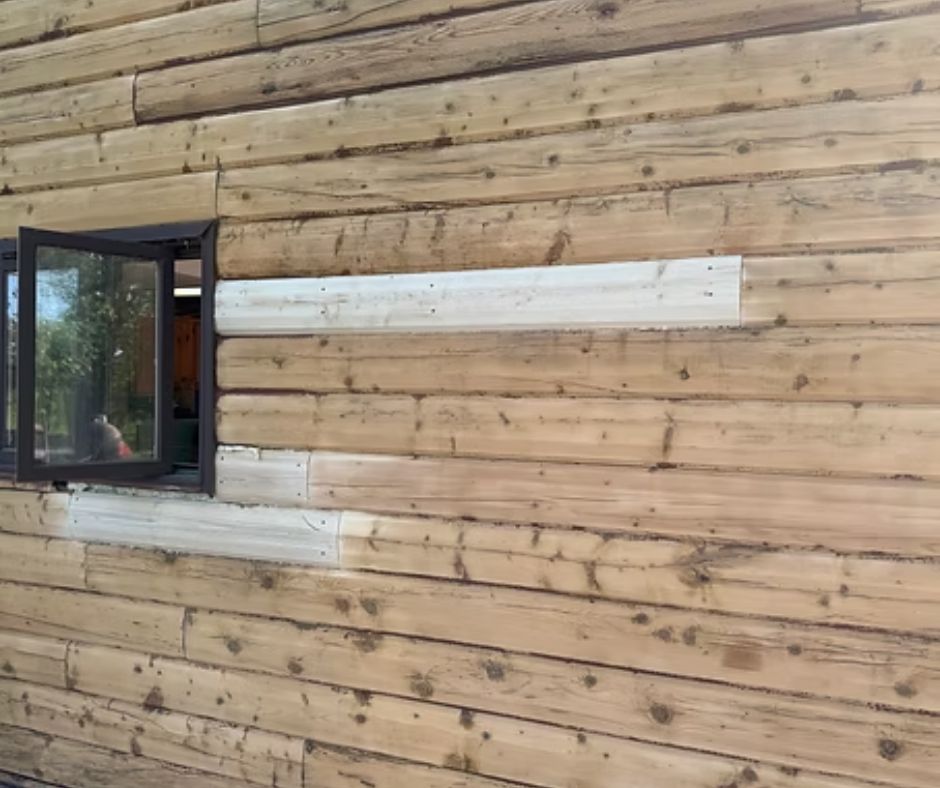
Weather gets blamed for a lot of things, but when it comes to wooden homes, it actually deserves the blame. People usually notice peeling paint or a bit of fading and think that’s about it. Not really. Over the years, rain, snow, humidity, harsh sunlight, and sudden temperature swings slowly wear timber down in ways that aren’t obvious at first. If you’ve ever looked into log cabin repair rotten logs, you already know the damage often starts long before anyone notices it. That’s the frustrating part. A cabin can look solid from the outside while moisture has already started working away deep inside the wood.
Why Moisture Is the Biggest Enemy of Wooden Homes
Rain isn’t always the problem. Water that stays trapped is. Wood naturally absorbs moisture, then releases it as conditions change, but when it stays damp for too long things begin to go sideways. Rot fungi thrive in wet timber, mold appears, and insects suddenly find the place much more inviting. It doesn’t happen overnight, which is why many homeowners miss the warning signs. A little soft patch around a window or near the foundation doesn’t seem urgent until one season turns into five. Then repairs get expensive, fast.
Heat and Sunlight Can Be Just as Damaging
People often think dry weather protects wood. It helps in some ways, sure, but strong sunlight brings its own headaches. UV rays slowly break down the outer fibers of timber, causing fading, cracking, and surface erosion. After enough summers, logs begin losing their protective finish. Tiny cracks appear. Water sneaks into those cracks during the next rainstorm, and suddenly the cycle starts again. That’s why cabins sitting under constant sun need regular sealing even if they rarely see heavy rain.
Winter Weather Pushes Wood to Its Limits
Cold weather looks harmless compared to a storm, but freezing temperatures create stress inside wood. Moisture trapped in small cracks freezes, expands, then melts. It keeps repeating every winter. Those little openings become larger over time. Snow piled against walls doesn’t help either because it holds moisture right where you don’t want it. Some winters are mild, others aren’t, and wooden homes don’t really get to choose. They just keep taking the hit.
Humidity Changes Everything
Humidity has a strange way of making wood behave. During damp months, timber swells slightly. When the air becomes dry again, it shrinks back. That constant movement may not seem dramatic, but after years it loosens joints, opens gaps, and sometimes causes doors or windows to stop fitting correctly. Cabin owners often assume the structure is settling. Sometimes it is. Sometimes it’s just the weather doing what it always does.
Wind Doesn’t Only Damage Roofs
Strong winds rarely get mentioned when people talk about wood maintenance, yet they matter more than you’d expect. Wind drives rain into places it normally wouldn’t reach. It also throws branches, dirt, and debris against siding, wearing away protective coatings bit by bit. During storms, even tiny impacts add up over the years. Then once the finish is compromised, moisture finds another opening. It’s almost never one big event. More like hundreds of little ones.
Small Maintenance Jobs Prevent Major Repairs
Most serious wood damage begins with something pretty minor. A cracked sealant line. Gutters overflowing. Leaves collecting beside the foundation. Those don’t feel urgent, so they get pushed to next weekend. Then next month. Routine inspections after each season make a huge difference because they catch problems while repairs are still manageable. Replacing one damaged log section is a lot easier than rebuilding an entire wall because rot quietly spread behind the surface.
Choosing the Right Finish Makes a Difference
Not every stain or sealant works equally well in every climate. Homes in wet regions usually need coatings designed to repel moisture while still allowing the wood to breathe. Dry climates often demand better UV protection instead. That’s why copying what someone used on their cabin in another state or country isn’t always smart. Climate matters. Local weather patterns matter even more. Spending a little extra on the right finish usually costs far less than replacing damaged timber later.
Weather Protection Doesn’t Mean Hiding the Beauty of Wood
Some people worry that constant maintenance somehow ruins the natural charm of a cabin. Honestly, it’s the opposite. Proper care keeps the grain visible, preserves the rich color, and helps the structure age with character instead of decay. Even details like the interior design of log cabins benefit from a healthy exterior because moisture problems outside often find their way indoors eventually. Once dampness reaches insulation or interior walls, it becomes a much bigger headache than most homeowners expect.
Conclusion
Wooden homes have a character that brick and concrete simply can’t copy. They feel warm, solid, and connected to nature in a way few buildings manage. But nature asks for something back. Weather never really takes a day off, and every season leaves its mark whether it’s blazing sun, heavy rain, freezing nights, or sticky humidity. The good news is that most damage can be slowed or even avoided with regular inspections, protective finishes, and a bit of attention before small issues become major ones. Wooden homes aren’t fragile, not at all. They just need owners who understand what the weather has been quietly doing all along.