Is Pipe Repair Covered by Homeowners Insurance Policies?
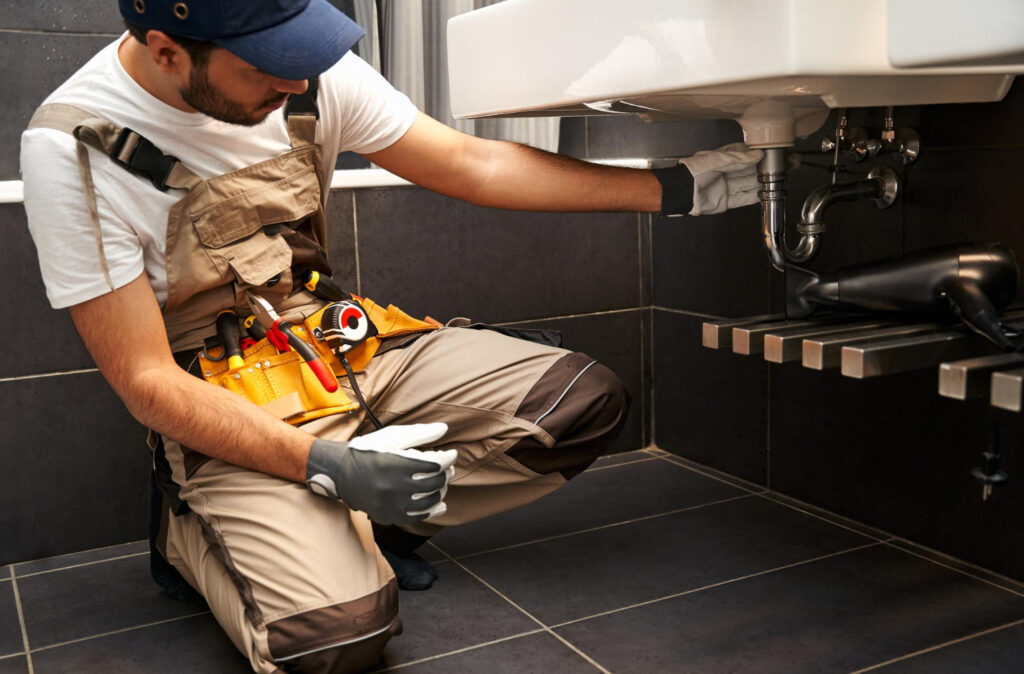
A bursting pipe can quickly turn a quiet afternoon into a stressful household emergency. Homeowners facing unexpected water damage often look for professional Pipe Repair in Fort White while simultaneously wondering if their insurance policy will cover the restoration costs. Navigating the fine print of homeowners insurance can feel overwhelming, but understanding how coverage applies to plumbing issues can save you thousands of dollars out of pocket. This guide breaks down what standard policies cover, common coverage exclusions, and how to handle a claim effectively.
Understanding Homeowners Insurance and Plumbing Coverage
Homeowners insurance is designed to protect your residence against sudden, accidental, and unforeseen events. When it comes to plumbing issues, insurance companies distinguish heavily between unexpected disasters and standard home maintenance.
Standard policies generally cover consequential water damage resulting from a sudden pipe failure. If a line bursts unexpectedly, damaging drywalls, flooring, and cabinetry, insurance typically pays to restore the affected areas of the home. However, the exact rules regarding whether the policy pays to repair the physical pipe itself depend on the cause of the break.
Insurance providers evaluate plumbing claims based on the root cause of the damage. Knowing how insurance adjusters categorize these events helps you understand your coverage before a emergency strikes.
Sudden and Accidental Damage vs. Gradual Wear and Tear
The primary factor determining whether insurance pays for pipe repair is the concept of sudden and accidental damage. If a mechanical failure or sudden pressure spike causes a clean break in a sound pipe without warning, insurance coverage usually applies to both the repairs and the secondary damage.
What Qualifies as Sudden and Accidental?
Insurance adjusters classify sudden and accidental events as unexpected incidents that happen without prior warning. Common examples include:
-
A pipe freezing and bursting during an extreme cold snap.
-
A sudden supply line failure under a sink or behind an appliance.
-
Accidental physical damage to a pipe during wall framing or remodeling work.
Why Gradual Damage Is Excluded
Homeowners policies explicitly exclude damage caused by neglect, lack of maintenance, or gradual wear and tear. Insurance is intended for perils, not routine home upkeep.
-
Corrosion and Rust: Pipes deteriorate over time, especially older galvanized iron lines. Leaks caused by slow corrosion are considered routine maintenance responsibilities.
-
Pin-hole Leaks: A slow leak behind a wall that drips for weeks or months before discovery is usually denied because the damage occurred gradually over time.
-
Tree Root Intrusion: Tree roots naturally seek out water sources and can penetrate outdoor sewer or main supply lines. Most standard policies treat root damage as a maintenance issue unless specialized endorsements are added.
Types of Coverage Involved in Water Claims
When a plumbing failure occurs, multiple sections of a standard homeowners policy (HO-3) come into play. Understanding these distinct coverage areas helps you read your policy declaration page accurately.
Dwelling Coverage (Coverage A)
Dwelling coverage protects the structural elements of your home, including walls, subflooring, foundation, and built-in fixtures. If water from a burst pipe ruins your hardwood floors or destroys drywall, Dwelling Coverage pays to repair or replace those building materials.
Personal Property Coverage (Coverage B)
If leaking water damages your furniture, electronics, clothing, or personal belongings, Personal Property Coverage kicks in. Claims under this section pay for the repair or replacement value of your personal items, subject to your policy deductible.
Loss of Use / Additional Living Expenses (Coverage D)
If severe water damage renders your home temporarily uninhabitable during structural repairs, Loss of Use coverage pays for temporary hotel accommodations, restaurant meals, and storage fees until your residence is restored.
Coverage Breakdown by Pipe Failure Scenario
Plumbing failures happen in various ways. The table below highlights how typical homeowners insurance policies respond to common pipe failure scenarios:
| Pipe Failure Scenario | Is the Pipe Repair Covered? | Is Secondary Water Damage Covered? | Primary Coverage Condition |
|---|---|---|---|
| Burst Frozen Pipe | Yes | Yes | Heat in the home must have been maintained appropriately. |
| Old Age / Corrosion Leak | No | Seldom / Case-by-case | Failure is attributed to long-term wear and tear. |
| Sewer Backup / Drain Overflow | No (Unless Endorsed) | No (Unless Endorsed) | Requires a specific Sewer and Drain Backup endorsement. |
| Tree Root Penetration | No | No | Considered outdoor landscaping/maintenance issue. |
| Accidental Tool Penetration | Yes | Yes | Must be sudden and unexpected. |
Specialized Endorsements to Expand Your Coverage
Because standard policies contain strict exclusions for certain water and plumbing events, insurance carriers offer optional policy add-ons known as endorsements. Adding these riders expands your financial protection.
Water Backup Endorsement
Standard policies exclude water that backs up through sewers, drains, or sump pump failures. Adding a Water Backup endorsement covers cleanup cost, structural repairs, and property damage if a main drain line or sump pump fails and sends water back into your home.
Service Line Coverage
Service line endorsements extend protection outside your home’s foundation. This coverage pays for the excavation and repair of underground utility pipes—such as your main water line or sewer lateral—that rupture due to wear, root intrusion, or soil shifting.
How to Handle a Pipe Burst Emergency Step-by-Step
When a pipe breaks, taking prompt action limits structural damage and protects your rights during the insurance claims process.
Step 1: Shut Off the Main Water Supply
Locate your main water shut-off valve immediately to stop the flow of incoming water. Knowing the valve location beforehand prevents extensive damage during a crisis.
Step 2: Document the Damage Thoroughly
Before cleaning up or moving damaged items, take clear photos and videos of the standing water, the origin point of the leak (if accessible), and all affected property. Clear visual evidence supports your claim details.
Step 3: Mitigate Further Loss
Insurance policies require homeowners to take reasonable steps to prevent further damage after an event. Extract standing water, set up fans, and remove wet property promptly. Keep receipts for all emergency remediation supplies and services.
Step 4: Contact Your Insurance Provider
Report the claim promptly to your insurance company. An adjuster will be assigned to evaluate the loss, inspect the site, and assess repair estimates.
Working with Professional Plumbers and Adjusters
When hiring a licensed plumber for emergency repairs, request an itemized invoice that clearly separates the cost of fixing the pipe from the cost of accessing the pipe (such as tearing out and replacing drywall). Insurance often pays for access and structural restoration even when the actual fitting or piece of pipe itself is excluded due to wear and tear.
Always provide your insurance adjuster with complete documentation from your plumber, including written evaluations stating the cause of the failure. Clear technical details from a certified professional help establish whether the event was sudden and accidental.
Practical Steps to Prevent Pipe Failures
Preventive maintenance is the most effective way to avoid costly plumbing repairs and insurance disputes. Implementing simple maintenance checks reduces the likelihood of pipe bursts and leak-related property damage.
-
Insulate Exposed Plumbing: Wrap water lines in unheated areas like basements, attics, and crawlspaces with foam insulation to prevent freezing.
-
Replace Aging Appliance Hoses: Upgrade rubber washing machine and ice maker lines to braided stainless steel hoses every five years.
-
Monitor Water Pressure: Install a pressure gauge on your main line. Excessive water pressure above 80 PSI strains pipe joints and increases failure risk.
-
Install Water Leak Detectors: Smart leak sensors placed near water heaters, sinks, and appliances automatically shut off the main water valve when water is detected.
Navigating home plumbing failures requires quick thinking and a clear understanding of your insurance policy limits. By maintaining your plumbing system proactively and reviewing your insurance endorsements annually, you can ensure your home stays protected against unexpected water damage.
Frequently Asked Questions
Will insurance cover water damage if a pipe leaks slowly over time?
Generally, no. Standard homeowners insurance policies exclude damage caused by continuous or gradual leaks lasting weeks or months, as these are classified as maintenance issues.
Does homeowners insurance cover replacing old galvanized pipes?
No. Replacing old, worn, or corroded pipes as part of a home upgrade or preventative overhaul is considered routine maintenance and must be paid for out of pocket.
What is the difference between water backup coverage and standard water damage coverage?
Standard water damage covers sudden leaks originating within your home’s plumbing system. Water backup coverage is an optional policy addition that covers water entering the home from outside sewers, municipal drains, or sump pump failures.
If a pipe bursts due to freezing, will my policy pay for repairs?
Yes, provided you maintained adequate heat inside the building or shut off and drained the water supply lines before leaving the property vacant.
How does the insurance deductible apply to plumbing claims?
Your policy deductible is the out-of-pocket amount you must pay toward repairs before insurance coverage begins. If your total repair cost is $3,000 and your deductible is $1,000, the insurer pays the remaining $2,000.