Is Wildlife Control Worth It For Homes With Animal Problems?
Hearing scratching inside your walls at midnight or finding torn insulation in your attic instantly turns a peaceful house into a stressful environment. Homeowners dealing with uninvited critters often hesitate before calling professionals, especially when considering specialized services like Beaufort SC Wildlife Control to resolve persistent intrusions. Understanding how professional removal works, what it costs compared to structural repairs, and when DIY methods fall short will help you decide if hiring experts is the right investment for your property.
Understanding the True Impact of Unwanted Household Wildlife
Wild animals rarely enter a home out of malice; they are simply looking for warmth, shelter, and a safe place to raise their young. However, their natural instincts do not align with modern residential construction. Once an animal breaches your roofline, crawl space, or foundation, the clock starts ticking on secondary property damage that is far more expensive than the initial removal process.
Structural and Electrical Hazards Inside Your Home
Rodents, squirrels, and raccoons possess teeth and claws built to tear through tough natural materials. Inside an attic or wall void, drywall, wooden joists, and PVC pipes offer very little resistance. Squirrels and rats must gnaw constantly to keep their incisors from overgrowing, which frequently leads them to strip the protective sheathing off electrical wiring.
Exposed copper wires surrounded by dry attic insulation create a severe fire hazard that often goes unnoticed until a circuit trips or worse occurs. Raccoons and opossums cause a different type of destruction by compressing and tearing up fiberglass batt insulation to build nests. Damaged insulation loses its thermal resistance, driving up your monthly heating and cooling bills while leaving your home vulnerable to moisture buildup.
Health Risks from Droppings, Parasites, and Odors
Beyond physical destruction, nuisance animals bring biological hazards directly into your living space. Accumulated droppings and urine soak into wooden subfloors and drywall, creating strong odors that attract other wildlife long after the original animal leaves. In enclosed areas like attics and crawl spaces, dried waste can release airborne spores or bacteria that circulate through your home’s HVAC ductwork.
Wild mammals also carry external parasites such as fleas, ticks, and mites. When an animal nests indoors—or dies inside an inaccessible wall cavity—those parasites abandon their host and migrate downward into bedrooms and living areas. Addressing an infestation quickly prevents these secondary pest outbreaks from taking over your household.
What Professional Wildlife Control Actually Involves
Many homeowners assume that hiring a specialist simply means paying someone to set a trap in the yard. In reality, modern wildlife control is a multi-step building science and animal behavior process designed to solve the root cause of an intrusion rather than just treating the symptoms.
Comprehensive Property Inspection and Entry Point Mapping
A qualified technician begins by examining the entire exterior envelope of your house, from the foundation vents to the highest roof ridge. Animals exploit subtle construction gaps, such as warped fascia boards, unscreened gable vents, loose soffits, and uncapped chimneys. Professionals know how to read physical clues like rub marks, smudge trails, droppings, and specific chew patterns to identify both the species involved and every active or potential entry point.
Humane Removal and Exclusion Techniques
Once the species and entry points are confirmed, technicians select a removal strategy tailored to that animal’s biology and local state regulations. For bats and flying squirrels, professionals typically install one-way exclusion doors over the primary exit hole. These devices allow the animals to leave at dusk to forage while preventing them from re-entering, eliminating the need for trapping or handling.
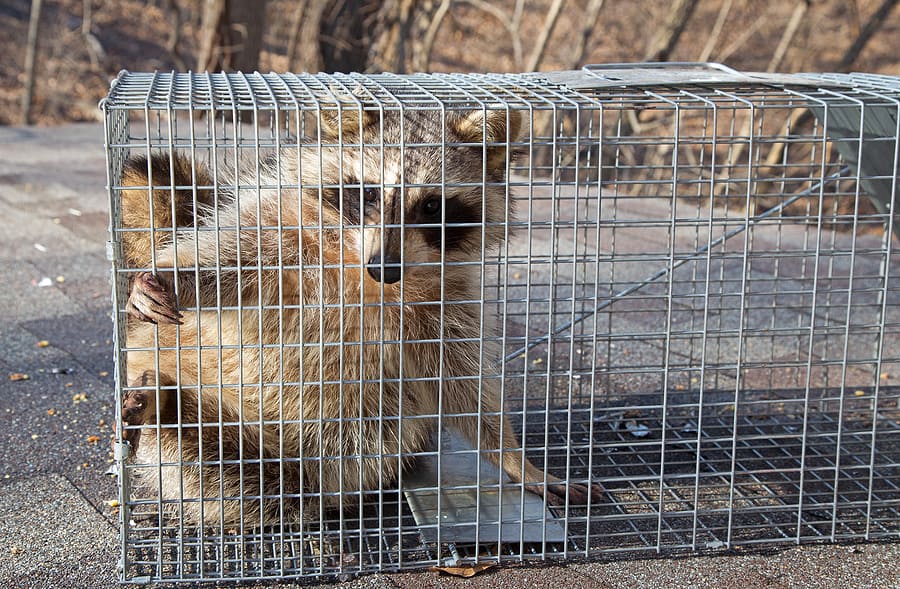
For larger mammals like raccoons, groundhogs, or skunks, specialists use live cage traps placed strategically along travel paths. Reputable operators also check for dependent young during spring and summer birthing seasons. Separating a mother from her babies not only harms the animals, but it also drives the frantic mother to tear new holes through your roof to reach her litter.
Sealing, Sanitization, and Habitat Modification
Removing the animal is only half of the job; keeping new ones out is what protects your investment. Exclusion work involves sealing vulnerable openings with heavy-gauge galvanized steel mesh, aluminum flashing, and industrial-grade sealants that animals cannot chew or pry open. Expanding foam alone is never sufficient, as rodents and raccoons tear through it effortlessly.
After the structure is secured, technicians often recommend sanitizing contaminated areas. This step may include removing soiled insulation, applying antimicrobial treatments to neutralize odors and pathogens, and replacing damaged vapor barriers in crawl spaces. Removing pheromone trails ensures that passing wildlife do not smell a previous den and attempt to break back in.
DIY Traps vs. Professional Wildlife Services
When faced with a noisy attic, buying a $40 trap at a hardware store feels like an obvious way to save money. While minor issues like a single mouse in a pantry can sometimes be handled independently, larger or persistent wildlife intrusions present distinct challenges that make DIY efforts risky and frequently unsuccessful.
Why Store-Bought Solutions Often Backfire
Commercial repellents—such as ultrasonic devices, mothballs, and predator urine sprays—rarely produce lasting results. Animals quickly adapt to high-frequency noises, and chemical deterrents lose potency within days, especially in ventilated attics. Worse, using mothballs indoors exposes your family to toxic naphthalene fumes without driving determined animals away.
Trapping without proper training also leads to common mistakes. Placing a trap in the wrong location yields empty cages while the animal continues damaging your home. If you trap and relocate an animal miles away, you may be violating state wildlife laws, as many states prohibit transporting rabies-vector species like raccoons, skunks, and bats due to disease transmission risks. Furthermore, sealing an entry hole before confirming all animals are outside traps wildlife inside your walls, resulting in severe odor problems and emergency drywall demolition.
Comparing DIY Approaches and Professional Intervention
Evaluating the practical differences between handling an animal problem yourself and hiring a licensed specialist clarifies where the real value lies.
| Evaluation Factor | DIY Wildlife Removal | Professional Wildlife Control |
|---|---|---|
| Upfront Cost | Low ($20–$150 for traps, repellents, and basic sealants) | Moderate to High ($250–$1,500+ depending on species and damage) |
| Species Identification | Guesswork based on noises or droppings | Accurate identification using tracks, smudge marks, and biology |
| Entry Point Sealing | Temporary fixes using caulk, wood, or expanding foam | Permanent exclusion with heavy-gauge steel mesh and flashing |
| Legal & Safety Compliance | Risk of violating local trapping or relocation laws | Licensed, insured, and compliant with state wildlife regulations |
| Long-Term Prevention | High chance of repeat intrusions from unsealed gaps | Includes multi-year warranties on exclusion workmanship |
| Sanitization & Cleanup | Limited to surface cleaning; hazards often remain | Full biohazard remediation, odor neutralization, and insulation repair |
Evaluating the Financial Return on Investment
Deciding whether professional wildlife removal is worth the cost requires looking at the total financial picture rather than just the initial service invoice. When you weigh proactive exclusion against the expense of structural restoration, professional intervention almost always costs less over time.
Calculating the Cost of Delayed Action
A standard wildlife inspection and basic exclusion service typically costs a few hundred dollars. By contrast, ignoring an active raccoon or squirrel infestation for a single season can easily generate thousands of dollars in repair bills. Replacing shredded attic insulation, rewiring chewed electrical circuits, repairing rotted fascia boards, and remediating stained ceilings quickly dwarf the price of early removal.
Homeowners insurance policies also add an important financial wrinkle. Most standard policies cover sudden, accidental damage—such as a deer crashing through a sliding glass door—but explicitly exclude gradual damage caused by nesting rodents, birds, or small mammals. Insurers classify ongoing animal infestations as preventable maintenance issues, leaving you responsible for the entire restoration bill.
How Exclusion Protects Property Value
If you plan to sell your home in the future, unaddressed wildlife damage will surface during the buyer’s home inspection. Inspectors routinely check attics, crawl spaces, and rooflines for droppings, gnawed framing, and compromised vents. Discovering an active infestation or unsealed entry points can stall a closing, trigger steep repair credits, or scare away cautious buyers.
Documented exclusion work performed by a reputable company demonstrates responsible homeownership. Many wildlife control providers offer transferable warranties on their structural sealing work, giving prospective buyers peace of mind that the home is protected against future intrusions.
Key Factors That Determine If You Should Hire a Pro
Not every outdoor animal sighting calls for a service truck in your driveway. Seeing an opossum pass through your backyard at night or noticing squirrels gathering acorns in your oak trees is simply part of living near nature. Professional help becomes worth every penny when specific warning signs appear.
Clear Signs You Need Expert Intervention
You should strongly consider hiring a wildlife specialist if you notice any of the following conditions around your property:
-
Persistent indoor noises: Scratching, scurrying, rolling, or vocalizing sounds coming from the attic, chimney, soffits, or inside walls, particularly at dawn, dusk, or late at night.
-
Visible exterior breaches: Torn vent screens, bent aluminum soffits, chewed wooden trim, or burrows dug directly beneath your porch, deck, or concrete slab.
-
Protected or high-risk species: Colonies of bats roosting in your attic or animals known to carry rabies and parasites, such as raccoons, skunks, and foxes.
-
Recurring infestations: Animals returning to the same area year after year despite your previous attempts to block the opening or trap them.
Questions to Ask Before Hiring a Wildlife Control Company
Choosing the right provider ensures you get lasting results rather than a temporary band-aid. Before signing a contract, ask prospective companies how they handle non-target animals and dependent young during nesting season. Verify that they carry proper state trapping licenses and general liability insurance to protect your property while technicians work on ladders and roofs.
Ask specifically about their exclusion materials and warranty terms. A trustworthy specialist will walk you through their inspection findings, show you photos of the entry points they found, and provide a written estimate separating animal removal from structural sealing and cleanup.
Professional wildlife control is worth the investment whenever wild animals move from your yard into your home’s structure. While minor outdoor sightings require no action, indoor intrusions escalate quickly into electrical fire hazards, ruined insulation, and health risks that standard insurance rarely covers. Hiring trained specialists resolves the immediate problem humanely while sealing vulnerable entry points so your home stays quiet, clean, and secure for years to come. If you hear unfamiliar noises overhead or spot damage along your roofline, scheduling a thorough property inspection early is the smartest way to protect both your wallet and your peace of mind.
Frequently Asked Questions
How much does professional wildlife control typically cost?
Basic inspections and single-animal trapping usually range from $250 to $600. Comprehensive services that involve multi-point roof exclusion, bat colonies, or extensive attic cleanup and insulation replacement can range from $1,000 to several thousand dollars depending on the size of your home and the severity of the damage.
Is professional wildlife removal humane?
Reputable wildlife control operators prioritize humane practices, using one-way exclusion doors, live cage traps, and timing adjustments to avoid separating mothers from dependent young. Lethal control is generally reserved only for invasive rodent species or animals that pose an immediate public health threat.
How long does it take to get rid of animals in an attic?
Simple removals involving one or two squirrels or raccoons often take between three and seven days to trap and exclude. Larger projects—such as bat exclusions during maternity season or multi-entry rodent infestations—may take two to four weeks to ensure every animal has safely exited before permanent sealing is completed.
Will my homeowners insurance pay for wildlife removal and damage?
Most standard homeowners insurance policies do not cover wildlife trapping, exclusion, or gradual damage caused by nesting rodents and mammals. Exceptions occasionally apply for sudden, unexpected damage from large animals, so reviewing your specific policy exclusions is always worthwhile.
Can I just seal up the hole once I think the animal has left?
Sealing an entry point without verifying that the structure is completely empty is one of the riskiest mistakes a homeowner can make. If an animal or its babies are trapped inside, they will either tear through interior drywall to escape or die inside your walls, causing severe odor and sanitation problems.