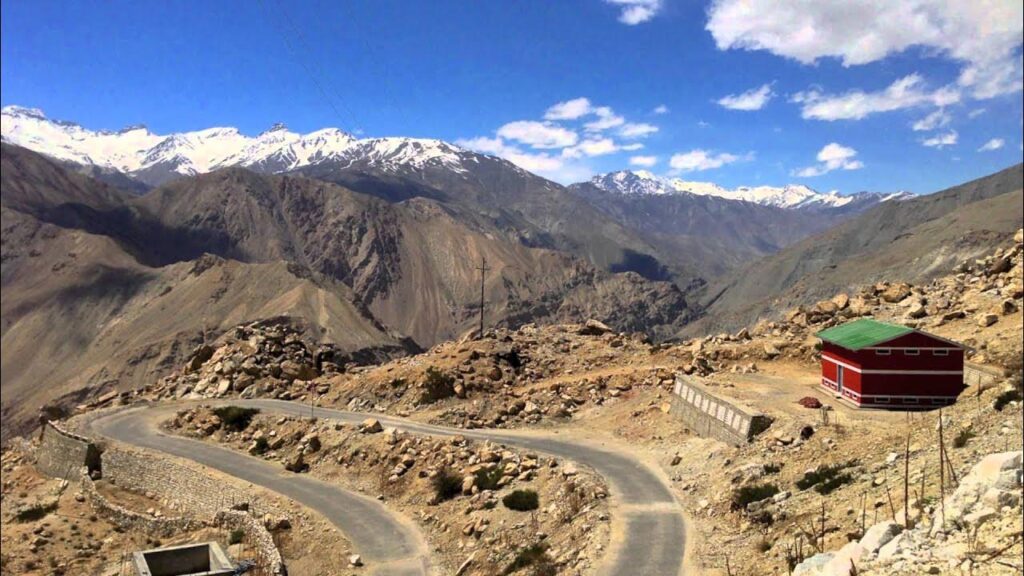
Planning your first trip to Spiti Valley can feel a little confusing. The roads are long, the altitude is high, and there are many places you may want to see. This Spiti Valley travel guide will help you understand the basics and make your journey easier to plan. Kaza is a good starting point for first-time visitors because it has essential facilities and gives you easy access to some of the valley’s most popular places.
If you are visiting Spiti for the first time, the best approach is to keep your plans flexible, give yourself time to adjust to the altitude, and enjoy the journey instead of trying to cover everything in a hurry.
Why Start Your Spiti Trip from Kaza?
Kaza is the largest town in Spiti Valley and is commonly used as a base by travellers. It has restaurants, small shops, accommodation, fuel facilities, and other essentials that can be useful during your trip.
The town itself is surrounded by mountains, so you do not have to travel far to start enjoying the scenery. More importantly, several popular destinations can be explored from Kaza as day trips.
Staying in Kaza or nearby also gives first-time visitors some flexibility. You can spend a day resting after your journey and then start exploring once you feel comfortable with the altitude.
Best Places to Visit Around Kaza
One of the biggest advantages of staying around Kaza is the number of interesting places within driving distance.
Key Monastery should be high on your list. Perched on a hill overlooking the Spiti River, it is one of the valley’s most recognisable landmarks. The monastery has a peaceful atmosphere and offers wonderful views of the surrounding landscape.
You can also visit Kibber, a beautiful high-altitude village surrounded by rugged mountains. The drive to Kibber is scenic, and the village gives you a chance to see a quieter side of Spiti.
For a different experience, head towards Chicham Bridge, which connects remote mountain settlements and offers dramatic views of the deep gorge below.
Another popular route takes you to Langza, Hikkim, and Komic. Langza is known for its large Buddha statue and mountain views, Hikkim attracts visitors for its famous post office, and Komic is known for its high-altitude setting.
Do not feel that you have to rush through these places. Take a walk, enjoy the views, and spend some time simply experiencing the surroundings.
Take Time to Adjust to the Altitude
Altitude is one of the most important things first-time visitors should keep in mind. Kaza is located at a high elevation, and your body may need time to adjust.
If you arrive after a long road journey, avoid planning a packed sightseeing schedule on your first day. Rest, drink enough water, eat light meals, and take things slowly.
You may feel tired or breathless while walking, even if you are normally active. That is not unusual at high altitude. If you feel seriously unwell, do not ignore the symptoms and seek medical help.
A relaxed first day can make the rest of your trip much more enjoyable.
When Should You Visit Kaza?
The best time to visit depends on what kind of experience you want.
Summer is the most popular period for exploring Spiti because more roads and destinations are accessible, and the weather is generally more suitable for sightseeing. June to September is a common travel period for visitors who want to explore places such as Kaza, Pin Valley, Langza, Komic, and Chicham.
Winter is a completely different experience. Snow-covered mountains, frozen landscapes, quiet villages, and fewer visitors give Spiti a peaceful charm. However, winter travel requires more preparation, and road conditions can be challenging.
Before travelling, always check current weather and road conditions rather than relying only on an old itinerary.
How Many Days Do You Need?
For a first visit, avoid trying to explore the entire valley in just a couple of days.
A few days around Kaza can give you enough time to visit Key Monastery, Kibber, Chicham, Langza, Hikkim, and Komic without constantly rushing from one place to another.
If you have more time, you can extend your journey towards places such as Pin Valley, Tabo, Dhankar, and other villages.
A longer trip also gives you some breathing room if weather or road conditions cause delays. In the mountains, it is always better to have a little extra time than to follow a schedule that leaves no room for change.
What Should You Pack?
Packing for Spiti depends heavily on the season, but warm layers are useful even during summer. Temperatures can drop considerably after sunset, so a light jacket may not always be enough.
Carry comfortable walking shoes, sunglasses, sunscreen, a reusable water bottle, personal medicines, basic toiletries, and power banks. If you are travelling in winter, add proper thermal layers, gloves, a warm cap, and suitable footwear.
Do not forget to carry some cash. Card and online payment options may not always work in remote areas.
It is also a good idea to keep your luggage practical. You may need to move between places, so carrying only what you actually need will make the journey easier.
Respect Local Life and the Environment
Spiti is home to small communities with a strong connection to their traditions and surroundings. When visiting monasteries, follow local instructions and dress respectfully. Ask before photographing people, especially monks and residents.
The landscape may look vast and empty, but it is a fragile environment. Avoid leaving plastic or other waste behind, stay on designated routes where possible, and do not disturb animals.
Small things make a difference when so many travellers visit the valley each year.
Enjoy the Journey, Not Just the Destinations
One of the best things about Spiti is that some of the most memorable moments happen between destinations. A quiet road beside the river, a cup of tea in a small village, changing colours on the mountains, or watching the sunset from your stay can become a highlight of the trip.
Do not worry about taking the perfect photograph at every stop. Put the camera away sometimes and simply look around.
For first-time visitors, Kaza makes exploring Spiti Valley easier because it offers a convenient base while keeping many of the region’s famous attractions within reach. Choosing a boutique hotel in Spiti Valley can also give you a comfortable and peaceful place to relax after a day of exploring. With a little preparation, a flexible itinerary, and enough time to slow down, your first Spiti trip can be much more enjoyable than a rushed sightseeing holiday.
Spiti is not a destination that needs to be conquered. Give yourself time, respect the mountains, and let the valley unfold at its own pace.