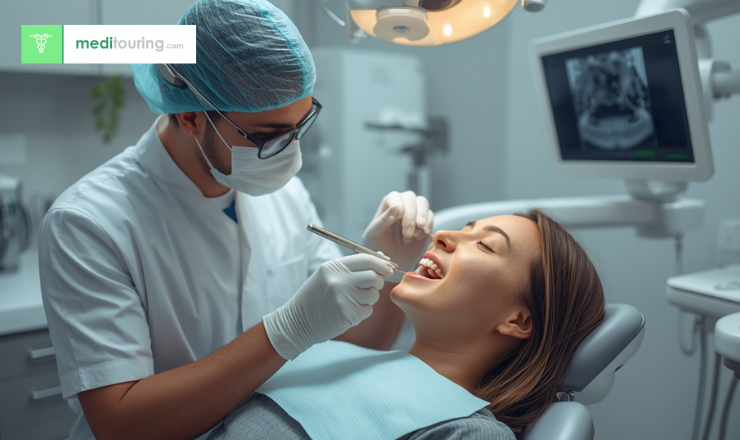
Choosing dental care abroad can be an attractive option for patients who want access to high-quality treatment while potentially reducing the overall cost of complex procedures. Italy, with its established healthcare infrastructure, experienced dental professionals, modern clinics, and convenient connections with other European countries, has become an appealing destination for international dental patients.
However, choosing treatment abroad should never be based on price alone. Dental care involves diagnosis, treatment planning, clinical expertise, materials, aftercare, and long-term maintenance. Patients considering Dental tourism Italy should understand what is included in their treatment package, how the clinic operates, and what support is available before and after treatment.
For international patients exploring Dental treatments abroad, Meditouring helps make the process easier by connecting patients with suitable dental treatment options and supporting them throughout their medical tourism journey.
What Is Low-Cost Dentistry Abroad?
Low-cost dentistry abroad refers to receiving dental treatment in another country where the total treatment cost may be lower than comparable private dental care in the patient’s home country. The difference can result from variations in operating costs, clinic expenses, labour costs, local pricing structures, and other economic factors.
The term “low cost” should not automatically mean “low quality.” In some destinations, patients can find modern clinics equipped with advanced diagnostic technology and staffed by qualified dental professionals. At the same time, not every inexpensive clinic offers the same standards of care.
This is why international patients should evaluate the overall value of treatment, rather than selecting a provider simply because it offers the cheapest quotation.
The overall cost may include:
- Initial dental consultation
- Diagnostic examinations and X-rays
- 3D dental imaging where required
- Dental surgery or restorative procedures
- Implant components and laboratory work
- Crowns, bridges, or dentures
- Medications where applicable
- Follow-up appointments
- Transfers or accommodation, depending on the package
Before travelling, patients should request a written treatment plan and a detailed cost breakdown.
Why Consider Italy for Dental Tourism?
Italy is well known for its healthcare professionals, universities, medical facilities, and long-established healthcare traditions. For dental tourists, the country can provide access to clinics offering restorative, cosmetic, surgical, and implant dentistry.
Italy is also geographically convenient for many European travellers. Patients from the UK and other parts of Europe can often reach major Italian cities through direct or connecting flights.
For people researching Dental tourism Italy, another benefit is the opportunity to combine treatment with a comfortable recovery period. Depending on the treatment schedule and medical advice, patients may have time to explore Italy between appointments.
However, tourism should always remain secondary to healthcare. Patients undergoing surgical dental procedures should follow their dentist’s instructions regarding travel, diet, physical activity, and recovery.
What Dental Treatments Can Patients Have Abroad?
The suitability of travelling for dental treatment depends on the patient’s individual oral health, medical history, treatment requirements, and the complexity of the procedure.
Common Dental treatments abroad may include:
Dental Implants
Dental implants are one of the most frequently considered treatments by international dental patients. An implant replaces the root portion of a missing tooth and can support a crown, bridge, or other restoration.
Patients researching Dental implants abroad should understand that implant treatment may require several stages. These can include consultation, diagnostic imaging, implant placement, healing, and fitting of the final restoration.
Some patients may require additional procedures such as bone grafting before or during implant treatment. Consequently, the treatment timeline can vary considerably from one person to another.
Full-Mouth Rehabilitation
Patients with multiple missing, damaged, or severely worn teeth may require a comprehensive treatment plan rather than individual restorations.
Full-mouth rehabilitation can combine treatments such as implants, crowns, bridges, periodontal care, and restorative dentistry. Because multiple procedures may be involved, patients should receive a carefully structured treatment plan before travelling.
All-on-4 and All-on-6 Implant Solutions
For suitable patients who have significant tooth loss, implant-supported full-arch solutions may be considered. All-on-4 and All-on-6 approaches use strategically positioned implants to support a fixed prosthetic arch.
These treatments can involve surgery and require careful assessment of bone volume, gum health, general oral health, and the patient’s individual circumstances.
Crowns and Bridges
Dental crowns can restore the shape, strength, and appearance of damaged teeth, while bridges can replace one or more missing teeth by using neighbouring teeth or implants for support.
These procedures may sometimes be combined with implant treatment as part of a broader restorative plan.
Cosmetic Dentistry
Depending on the clinic and patient’s needs, cosmetic treatments can include veneers, professional teeth whitening, bonding, and aesthetic restorations.
Patients should remember that cosmetic dentistry is still healthcare. A responsible dentist should assess the condition of the teeth and gums before recommending elective treatment.
Are Affordable Dental Implants Abroad Safe?
One of the most important questions patients ask is whether affordable implant treatment abroad is safe.
The answer depends on the individual clinic, dentist, treatment plan, materials, diagnostic process, infection-control procedures, and aftercare arrangements. Price alone cannot determine whether a treatment is safe or appropriate.
Patients considering Affordable dental implants abroad should investigate several factors before making a decision.
1. Check the Dentist and Clinic
Research the dental professional’s qualifications, experience, professional registration, and area of expertise. Patients should also investigate the clinic itself.
Look for clear information about:
- Dentist qualifications
- Professional experience
- Implantology or specialist training
- Clinic facilities
- Diagnostic technology
- Sterilisation and infection-control procedures
- Laboratory arrangements
- Patient reviews and independent feedback
A professional clinic should be willing to answer reasonable questions about treatment.
2. Request a Comprehensive Treatment Plan
A quotation without a proper treatment plan may not provide the full picture.
Before travelling, ask what procedures are recommended and why. The treatment plan should ideally identify the major stages of treatment and explain which elements are included in the quoted price.
Patients should also ask what happens if additional treatment becomes necessary after an examination.
3. Understand Implant Brands and Materials
Dental implants are not all identical. Patients should ask which implant system will be used and whether the clinic can provide documentation about the implant components.
This information can become particularly important if future maintenance or treatment is required in the patient’s home country.
4. Ask About Diagnostic Technology
Modern dentistry can use digital X-rays, panoramic imaging, intraoral scanning, and 3D imaging to support diagnosis and treatment planning.
For complex implant cases, appropriate imaging can help the dental team evaluate bone structure and anatomical considerations before surgery.
5. Do Not Ignore Gum Health
Implant treatment is not simply about replacing missing teeth. The condition of the gums and surrounding tissues is also important.
Patients with active gum disease may require periodontal treatment before implant placement. Good oral hygiene and regular professional maintenance remain important after treatment.
Understanding the Real Cost of Dental Tourism
When comparing dental treatment abroad, patients should calculate more than the advertised treatment price.
The total cost may include:
Dental treatment + flights + accommodation + local transportation + meals + time away from work + follow-up travel
A treatment that initially appears inexpensive may become less economical if several additional trips are required.
On the other hand, a slightly higher treatment quotation may offer better value if it includes comprehensive diagnostics, appropriate materials, structured aftercare, and assistance with travel arrangements.
This is why patients should compare complete treatment packages, not just individual procedure prices.
How Many Trips Might Be Required?
The number of visits depends on the treatment.
A simple procedure may be completed during a single visit, while complex implant treatment may require multiple stages. Implant placement is often followed by a healing period before the final restoration is attached.
Some patients may therefore need two or more trips.
Before booking flights, ask the dental provider:
- How many appointments are expected?
- How long should each visit last?
- Is healing time required between procedures?
- When can the final teeth be fitted?
- What happens if treatment takes longer than expected?
- Will additional travel be necessary?
Having these answers in advance makes planning considerably easier.
What Should UK Patients Know Before Travelling to Italy?
For UK residents considering dental treatment in Italy, preparation is especially important. Patients should check current travel requirements, insurance arrangements, clinic documentation, and their planned treatment schedule before departure.
Dental treatment abroad may also involve spending several days or weeks away from home. Patients should consider work commitments and ensure they have sufficient time for appointments and recovery.
Travel insurance should be reviewed carefully because standard policies may not automatically cover planned medical or dental treatment. Patients should understand their policy before travelling.
It is also wise to keep copies of dental records, X-rays, treatment plans, prescriptions, invoices, and implant information.
Questions to Ask an Italian Dental Clinic
Before committing to treatment, international patients should ask the clinic practical and clinical questions.
Some useful questions include:
- Who will perform my treatment?
- What qualifications and experience does the dentist have?
- What diagnostic examinations are required?
- Which implant brand or restorative materials will be used?
- How long will the complete treatment take?
- How many visits are required?
- What is included in the quoted price?
- Are temporary teeth included where necessary?
- What aftercare is provided?
- What happens if I experience a problem after returning home?
- Can I receive copies of my treatment records?
- Will I receive information about the materials and implant components used?
A trustworthy provider should give clear answers rather than pressuring patients into making a quick decision.
The Importance of Aftercare
Aftercare is one of the most overlooked aspects of dental tourism.
The treatment does not necessarily end when the patient leaves the clinic. Implant patients, in particular, need ongoing oral hygiene and professional monitoring to maintain their restorations and surrounding tissues.
Before travelling home, patients should understand:
- When their next check-up should take place
- How to clean their teeth and restorations
- Which foods should be avoided during recovery
- What symptoms should be reported
- Who to contact in an emergency
- Whether their dentist provides remote support
- What documentation should be given to their local dentist
Patients should also inform their regular dentist about treatment received abroad so that future dental care can be coordinated appropriately.
Common Mistakes to Avoid
Choosing dental treatment abroad can offer advantages, but patients should avoid common mistakes.
Choosing Only on Price
The cheapest quotation is not necessarily the best option. Focus on clinical quality, experience, materials, treatment planning, and aftercare.
Travelling Without a Proper Diagnosis
Avoid booking major dental treatment based only on photographs or an online quotation. A professional assessment is necessary to determine whether the proposed treatment is suitable.
Underestimating Recovery Time
Some procedures require healing. Patients should not assume that they can immediately return to normal activities after dental surgery.
Failing to Ask About Complications
Every medical or dental procedure carries potential risks. Patients should discuss possible complications, alternative treatments, and expected outcomes with their dentist.
Ignoring Long-Term Maintenance
Dental implants and restorations require ongoing care. Patients should consider how they will maintain their treatment after returning home.
How Meditouring Can Help
Planning Dental treatments abroad can feel complicated, particularly when patients are unfamiliar with overseas clinics, treatment processes, travel arrangements, and follow-up care.
Meditouring is focused on helping patients explore medical and dental tourism options and make more informed decisions about treatment abroad. Through guidance and coordination, patients can better understand their treatment journey before travelling.
For people considering dental care in Italy, Meditouring can help simplify the process by supporting patients as they explore suitable dental treatment options.
The goal should not simply be to find the lowest price. It should be to find an appropriate combination of quality, safety, experience, convenience, transparent pricing, and long-term support.
Is Dental Tourism in Italy Right for You?
Italy can be an appealing option for patients researching dental treatment abroad, particularly those considering restorative or implant dentistry. However, suitability depends on individual circumstances.
Before making a decision, consider:
- Your dental condition
- The complexity of treatment
- The experience of the dental provider
- The clinic’s standards and facilities
- The total cost of treatment and travel
- The number of appointments required
- Recovery requirements
- Aftercare arrangements
- Your ability to return for follow-up treatment if necessary
A carefully planned dental tourism journey can be more predictable and comfortable than travelling based solely on an attractive price advertisement.
Final Thoughts
Low-cost dentistry abroad can provide an alternative for patients who are facing high private dental costs at home, but affordability should always be considered alongside quality and safety.
For patients researching Dental tourism Italy, Italy can offer access to established dental services and modern treatment options. Procedures such as implants, crowns, bridges, full-mouth rehabilitation, and other restorative treatments may be available to international patients depending on their individual needs.
If you are considering Dental implants abroad or Affordable dental implants abroad, take time to compare providers, understand your treatment plan, confirm what the quoted price includes, and investigate aftercare before making a commitment.
Most importantly, do not choose dental care simply because it is cheap. The right decision is one that balances affordability with professional expertise, appropriate treatment planning, transparent communication, and long-term dental health.
With careful research and professional guidance from a medical tourism platform such as Meditouring, international patients can approach their dental journey with greater confidence and a clearer understanding of what to expect.
Medical and dental treatment should always be based on an individual assessment by a qualified healthcare professional. Information in this article is for general educational purposes and should not replace professional dental advice.
Read more articles on blog pulse guru