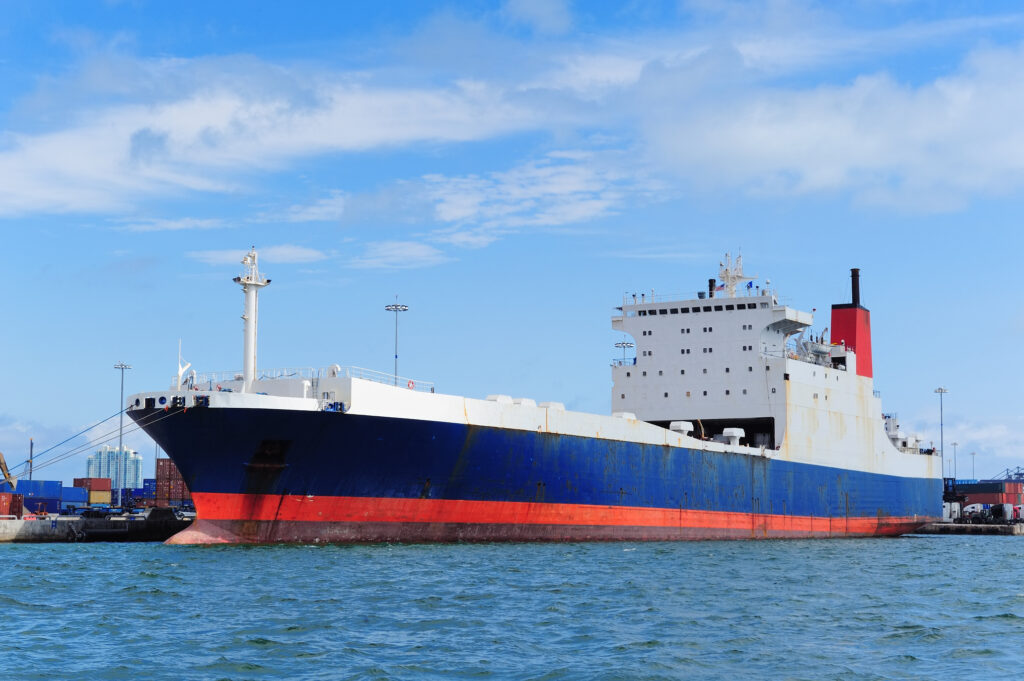
Cargo ship at Miami harbor with crane and blue sky over sea.
Maritime operations involve a wide range of risks, from equipment failures and hazardous working conditions to environmental incidents and operational disruptions. Ship owners and managers must identify potential hazards, evaluate their impact, and implement appropriate control measures to protect crew, vessels, cargo, and the marine environment.
As vessel operations become more complex, managing risk through spreadsheets, paper-based forms, and disconnected records can make it difficult to maintain consistent oversight. Marine risk assessment software provides a structured approach to identifying hazards, documenting assessments, assigning control measures, and monitoring risk-related actions across vessel operations.
Why Risk Assessment Is Essential in Maritime Operations
Every vessel operates in an environment where changing weather conditions, machinery, human activities, and operational procedures can introduce potential hazards. Routine activities such as cargo handling, maintenance, enclosed-space entry, bunkering, and working at height require careful risk evaluation.
A risk assessment helps maritime teams understand:
-
What hazards are associated with a particular activity?
-
Who or what could be affected?
-
How likely is an incident to occur?
-
What could be the potential consequences?
-
Which control measures are required?
-
Who is responsible for implementing those measures?
Without a consistent process, important risk information may remain scattered across departments, vessels, and documents. This can make it challenging for shore-based management to understand whether identified risks have been properly addressed.
A digital risk management approach helps bring this information into a more organized and accessible structure.
What Is Marine Risk Assessment Software?
Marine risk assessment software is a digital solution designed to help ship operators and maritime organizations identify, evaluate, document, and manage operational risks.
It supports the risk assessment process by maintaining structured records of hazards, evaluating their severity and likelihood, documenting preventive measures, and tracking actions required to reduce exposure.
Depending on the platform, these systems may support:
-
Hazard identification and risk evaluation
-
Risk matrices and assessment records
-
Control measure documentation
-
Assignment of corrective and preventive actions
-
Review and approval workflows
-
Risk assessment history
-
Reporting and management oversight
For ship owners and managers operating multiple vessels, digital risk assessment tools can also help establish a more consistent approach to risk management across the fleet.
Key Challenges in Traditional Maritime Risk Management
1. Inconsistent Risk Assessment Records
When vessels use different formats or documentation methods, maintaining consistency becomes difficult. Risk assessments may contain incomplete information or follow different evaluation approaches.
A centralized digital process can help standardize assessment records and make information easier to review.
2. Limited Visibility of Identified Risks
Risk information recorded in paper documents or separate spreadsheets may not be readily available to shore-based teams. This can delay management reviews and make it harder to identify recurring operational concerns.
Digital records provide a more accessible view of documented risks and their associated actions.
3. Difficulty Tracking Control Measures
Identifying a hazard is only one part of risk management. The relevant control measures must also be implemented and reviewed.
Without clear ownership and follow-up, actions may remain pending. Risk assessment software can help assign responsibilities, monitor progress, and maintain records of completed actions.
4. Repeated Assessments Without Historical Context
Similar activities may be performed across different vessels or at different times. When previous assessments are difficult to retrieve, teams may spend time recreating information instead of reviewing existing knowledge.
Maintaining historical records can help teams refer to earlier assessments and identify areas that require reassessment.
5. Limited Fleet-Level Oversight
Fleet managers need to understand how risks are being managed across vessels. Disconnected documentation makes it difficult to identify common issues or compare risk-related information.
A structured digital system can improve access to fleet-level records and support more informed management decisions.
Essential Features of Effective Marine Risk Assessment Software
Choosing the right solution requires more than simply replacing paper forms with digital documents. The system should support the complete risk assessment workflow.
Hazard Identification and Documentation
The system should allow users to document hazards associated with vessel operations, maintenance activities, equipment, and working environments.
Clear descriptions and supporting information help ensure that assessments can be understood by people who were not directly involved in the original activity.
Risk Evaluation and Risk Matrix
A risk matrix helps assess the likelihood and potential consequences of identified hazards. This provides a structured way to categorize risks and determine the level of attention required.
The software should support a consistent assessment methodology that aligns with the organization’s risk management procedures.
Control Measures and Action Assignment
Identifying risks must lead to appropriate preventive or mitigating measures. The platform should support documenting control measures, assigning responsible personnel, and defining target dates where applicable.
This creates accountability and makes it easier to follow up on outstanding actions.
Review and Approval Workflows
Risk assessments may require review by supervisors, safety officers, or other authorized personnel before an activity proceeds.
Digital workflows can help organize submissions, reviews, approvals, and revisions while maintaining an assessment history.
Centralized Records and Reporting
A centralized record system helps authorized users access relevant risk assessment information without searching through multiple document repositories.
Reporting capabilities can also help management review outstanding actions, recurring hazards, and assessment activity across vessels.
How Risk Assessment Software Supports Safer Vessel Operations
Digital risk assessment tools can contribute to safer operations by improving how hazards are identified, documented, and managed.
For example, consider maintenance work involving machinery in an engine room. Before the work begins, the responsible team needs to identify possible hazards, evaluate the associated risks, and establish suitable control measures.
A structured digital workflow can help document the activity, record the identified hazards, assign responsibilities, and retain the assessment for future reference.
The same approach can be applied to activities such as:
-
Enclosed-space entry
-
Hot work operations
-
Working at height
-
Electrical maintenance
-
Cargo handling
-
Bunkering operations
-
Lifting operations
-
Machinery inspections
The objective is not simply to complete an assessment form. It is to make risk information useful throughout the operational process.
Connecting Risk Assessment With Other Maritime Management Processes
Risk management is closely connected to several other areas of vessel management. Treating it as an isolated activity can limit its effectiveness.
For example, a machinery-related hazard may lead to a maintenance requirement. An operational incident may reveal weaknesses in existing control measures. A recurring equipment defect may require a review of the associated risk assessment.
An integrated maritime software environment can help organizations connect these operational records.
A
supports the planning and tracking of vessel maintenance activities, while defect management helps document equipment problems and follow-up actions. Connecting these processes with risk management can provide better operational context.
This approach supports a broader view of vessel operations rather than managing each department through disconnected systems.
What Ship Owners Should Consider When Selecting a Risk Assessment Solution
Before implementing marine risk assessment software, ship owners and managers should evaluate whether the platform fits their operational requirements.
Important considerations include:
-
Ease of use: Vessel personnel should be able to create and review assessments without unnecessary complexity.
-
Standardization: The system should support consistent risk assessment procedures across vessels.
-
Accountability: Responsibilities, action owners, and follow-up requirements should be clearly documented.
-
Historical records: Previous assessments should remain accessible for review and reference.
-
Reporting: Management should be able to review risk-related information at vessel and fleet levels.
-
Integration: Risk assessment should complement maintenance, defect, safety, and compliance management processes.
-
Scalability: The solution should support the organization’s current fleet and future operational requirements.
A well-selected platform should improve the practical management of risk rather than introduce another disconnected administrative process.
The Role of Digital Risk Management in Maritime Compliance
Maritime organizations operate under established safety management requirements and regulatory frameworks. Maintaining appropriate risk assessment records is an important part of demonstrating that operational hazards are being considered and managed.
Digital documentation can support this process by improving record accessibility, maintaining assessment histories, and providing clearer visibility of assigned actions.
However, software alone does not guarantee regulatory compliance. Organizations must ensure that their procedures, assessments, personnel responsibilities, and operational practices meet applicable requirements.
The value of a digital solution lies in helping teams maintain more structured, traceable, and accessible risk management processes.
Conclusion
Effective risk management is essential to safe and reliable maritime operations. As fleets grow and operational requirements become more demanding, traditional documentation methods can make it harder to maintain consistent risk assessment practices and monitor follow-up actions.
Marine risk assessment software provides a structured way to identify hazards, evaluate risks, document control measures, and maintain records across vessel operations. When connected with maintenance, defect, safety, and compliance processes, it can contribute to a more coordinated approach to maritime operational management.
Platforms such as
support the wider digital management of vessel operations, helping maritime organizations move towards more connected operational processes and improved fleet visibility.
The goal is simple: identify risks earlier, manage them systematically, and support safer decisions throughout vessel operations.