Molded Pulp Manufacturers for Electronics, Food Service, and Consumer Goods Packaging
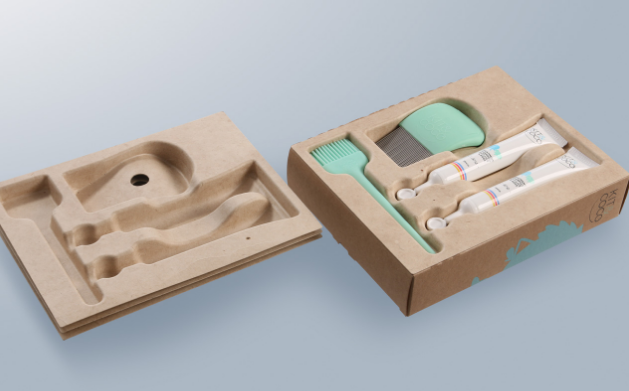
As industries continue to prioritize sustainability, packaging has become a key area of transformation. Businesses are increasingly moving away from plastic-based materials and adopting eco-friendly alternatives that reduce environmental impact while maintaining product protection. Among these solutions, molded fiber packaging has emerged as one of the most versatile and widely used options.
The role of molded pulp manufacturers has become increasingly important as electronics, food service, and consumer goods industries seek scalable and sustainable packaging solutions. Working with molded pulp manufacturers enables businesses to replace plastic packaging with recyclable, biodegradable, and cost-effective alternatives tailored to specific industry needs.
Molded Pulp Packaging in the Electronics Industry
The electronics industry requires packaging that provides high levels of protection due to the fragility and value of its products. Devices such as smartphones, laptops, chargers, and accessories must be protected from shock, vibration, and pressure during transportation.
Molded pulp packaging is widely used in this sector because it offers:
- Custom-fit designs for precise product placement
- Strong shock absorption for fragile components
- Lightweight structure for efficient logistics
- Reduced reliance on plastic foam inserts
These features help reduce product damage while supporting sustainability goals. Manufacturers design molded pulp inserts that securely hold electronic devices in place, minimizing movement during shipping.
Applications in the Food Service Industry
The food service industry has seen significant growth in the use of molded fiber packaging due to increasing environmental regulations and consumer demand for sustainable solutions. Food packaging must ensure hygiene, freshness, and safety while also being environmentally responsible.
Common applications include:
- Takeout and delivery containers
- Fruit and vegetable trays
- Egg cartons and beverage holders
- Disposable food packaging solutions
Molded pulp packaging is particularly valuable because it is biodegradable and often made from recycled materials. It helps reduce reliance on single-use plastics, especially in fast-growing food delivery and takeaway markets.
In addition, its structural strength and breathability make it suitable for fresh produce packaging, helping maintain product quality during storage and transportation.
Consumer Goods Packaging Solutions
Consumer goods cover a wide range of products, including cosmetics, personal care items, household goods, and retail products. Packaging in this sector must balance protection, aesthetics, and cost efficiency.
Molded pulp packaging provides several advantages for consumer goods:
- Flexible design options for different product shapes
- Protective inserts for fragile items like glass containers
- Eco-friendly appearance that enhances brand image
- Reduced packaging waste compared to plastic alternatives
For brands competing in retail and e-commerce markets, packaging also plays a major role in customer experience. Sustainable molded fiber packaging improves unboxing experiences while reinforcing a company’s environmental values.
Environmental Benefits Across All Industries
One of the key reasons industries are adopting molded pulp packaging is its strong environmental performance. It provides a practical alternative to plastic materials while supporting global sustainability initiatives.
Key environmental benefits include:
- Use of recycled paper fibers and renewable materials
- Biodegradability under natural conditions
- Reduced carbon emissions during production
- Lower landfill and ocean waste contribution
These advantages help companies meet regulatory requirements and respond to increasing consumer demand for eco-friendly products.
Manufacturing Innovation and Industry Growth
Modern molded pulp manufacturers have significantly improved production capabilities through advanced technology and design innovation. These improvements allow molded fiber packaging to meet the demands of diverse industries.
Key advancements include:
- High-precision molding for custom packaging designs
- Improved structural strength for heavier products
- Enhanced moisture resistance for expanded applications
- Scalable production systems for global supply chains
These innovations ensure that molded pulp packaging can compete with traditional plastic-based materials in both performance and efficiency.
Cost Efficiency and Operational Advantages
Beyond environmental benefits, molded pulp packaging also offers practical cost advantages. Its lightweight nature reduces shipping costs, while its custom design minimizes the need for additional protective materials.
Operational benefits include:
- Reduced product damage during transportation
- Lower packaging waste disposal costs
- Improved storage and stacking efficiency
- Streamlined supply chain logistics
These factors contribute to long-term cost savings for businesses across different industries.
Supporting the Transition to Sustainable Packaging
The global shift toward sustainability has made eco-friendly packaging a priority for businesses of all sizes. Molded pulp manufacturers play a critical role in enabling this transition by providing scalable and customizable solutions that replace traditional plastic packaging.
As industries continue to evolve, demand for sustainable materials will continue to grow, making molded fiber packaging an essential part of future packaging systems.
Conclusion
Molded pulp packaging has become a key solution for industries such as electronics, food service, and consumer goods due to its versatility, sustainability, and performance benefits. It offers a practical alternative to plastic while supporting environmental responsibility and cost efficiency.
By working with experienced molded pulp manufacturers, businesses can access high-quality, eco-friendly packaging solutions tailored to their specific needs. Partnering with molded pulp manufacturers allows companies to improve sustainability, enhance product protection, and align with the growing global demand for greener packaging solutions.