Advanced diagnostic evaluation helps veterinarians investigate health problems that require more than a routine physical examination. A Norwalk animal hospital may use laboratory testing, diagnostic imaging, and specialized examinations to identify underlying conditions. These tools provide valuable medical information, helping veterinary professionals understand symptoms and recommend appropriate treatment for dogs and cats.
When Does a Pet Need Advanced Diagnostic Testing?
A pet may need advanced diagnostic testing when symptoms persist, routine treatments fail, or physical examinations reveal unusual findings. Additional testing helps veterinarians investigate possible causes before selecting a treatment approach.
Some health problems produce similar symptoms despite having different underlying causes. For example, increased thirst may relate to kidney problems, diabetes, medication effects, or other medical conditions.
Similarly, unexplained weight loss, recurring vomiting, breathing changes, and reduced activity may require further investigation.
Veterinarians consider several factors before recommending advanced testing, including:
- Your pet’s age and medical history.
- The duration and severity of symptoms.
- Findings from the physical examination.
- Previous treatments and their results.
- Possible underlying health conditions.
Recognizing these signs early helps pet owners seek appropriate medical attention.
How Does a Norwalk Animal Hospital Perform Advanced Diagnostics?
A Norwalk animal hospital typically begins advanced diagnostic evaluation by reviewing your pet’s medical history and performing a detailed physical examination. The veterinarian then determines which tests can provide useful information about the suspected condition.
Comprehensive Laboratory Testing
Laboratory testing helps veterinarians examine biological samples for signs of disease or abnormal body function.
Blood tests can evaluate red and white blood cells, organ function, blood glucose, and electrolyte levels. These findings may help investigate infections, anemia, metabolic disorders, and kidney or liver concerns.
Urinalysis provides additional information about urinary health, kidney function, and hydration. When veterinarians suspect a bacterial infection, they may recommend urine culture testing to identify the organism involved.
Laboratory findings rarely provide the complete answer alone. Veterinarians interpret results alongside symptoms and other examination findings.
Diagnostic Imaging
Diagnostic imaging allows veterinarians to examine internal structures without relying entirely on external physical observations.
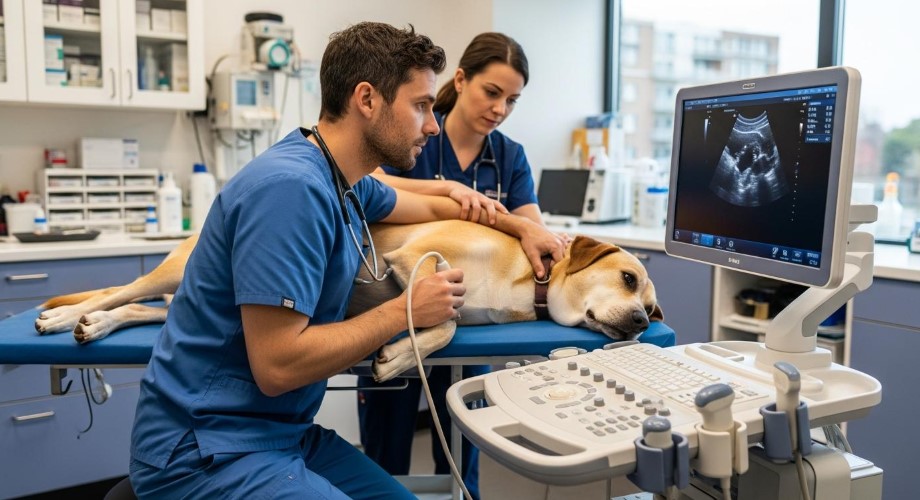
X-rays help evaluate bones, joints, the chest, and certain abdominal structures. Ultrasound provides images of soft tissues and internal organs, helping veterinarians investigate masses, fluid accumulation, and organ abnormalities.
For example, a dog experiencing repeated vomiting may require abdominal imaging to investigate possible digestive problems. The veterinarian selects the imaging method according to the suspected condition.
What Conditions Can Advanced Veterinary Diagnostics Identify?
Advanced diagnostics can help investigate a wide range of medical conditions affecting dogs and cats. The specific findings depend on the tests performed and the symptoms presented.
Internal Organ Problems
Blood chemistry testing and diagnostic imaging can help identify abnormalities involving the kidneys, liver, and other internal organs.
Pets with increased thirst, reduced appetite, or unusual urination may benefit from additional evaluation. Early investigation can help veterinarians determine whether these changes relate to an underlying medical condition.
Heart and Respiratory Conditions
Pets experiencing coughing, breathing difficulties, or reduced exercise tolerance may require further examination.
Veterinarians may recommend chest X-rays, cardiac evaluations, or other diagnostic procedures depending on the symptoms. These assessments help investigate possible heart and respiratory problems.
Digestive and Abdominal Disorders
Persistent vomiting, diarrhea, abdominal discomfort, and appetite changes may indicate digestive or abdominal conditions.
Laboratory testing, fecal examinations, and ultrasound imaging can provide useful information. In certain cases, veterinarians may recommend additional procedures to investigate persistent symptoms.
Why Is Accurate Diagnosis Important Before Treatment?
Accurate diagnosis helps veterinarians choose treatments that address the underlying condition rather than focusing only on visible symptoms. It also reduces unnecessary medication use and supports better treatment planning.
For example, vomiting caused by a dietary problem may require a different approach from vomiting associated with an intestinal obstruction.
Similarly, skin irritation caused by allergies may need different management from irritation caused by parasites or infection.
Diagnostic results also help veterinarians evaluate potential treatment risks. Before surgery or certain medications, they may recommend blood testing to assess your pet’s overall health.
A clear diagnosis gives pet owners a better understanding of available treatment options, expected recovery, and possible complications.
How Can Pet Owners Prepare for an Advanced Diagnostic Appointment?
Pet owners can help veterinarians by providing accurate information about symptoms, previous treatments, and changes in everyday behavior.
Before your appointment, consider these practical steps:
- Record when symptoms started and how frequently they occur.
- Bring previous medical records and laboratory reports.
- Prepare a list of medications and supplements.
- Take photographs or videos of unusual symptoms when possible.
- Mention changes in appetite, drinking, urination, and activity.
- Follow any fasting or preparation instructions provided by the veterinary team.
Do not delay emergency care to collect records if your pet experiences severe breathing difficulties, collapse, uncontrolled bleeding, or suspected poisoning.
Conclusion
Advanced diagnostic evaluation helps veterinarians understand complex health concerns and select appropriate treatment options. A Norwalk animal hospital can use laboratory testing, diagnostic imaging, and detailed examinations to investigate conditions affecting your pet’s health. The key takeaway is to recognize unusual symptoms early, provide accurate medical information, and follow professional recommendations to support your pet’s long-term well-being.
Frequently Asked Questions
When should my pet receive advanced diagnostic testing?
Your pet may need advanced testing when symptoms persist, routine treatment does not work, or the veterinarian identifies concerning examination findings. The recommended tests depend on your pet’s individual health needs.
Are advanced veterinary diagnostic tests painful?
Most routine blood and urine tests involve minimal discomfort. Imaging procedures such as X-rays and ultrasound are generally noninvasive, although some pets may need sedation for specific examinations.
How long do advanced veterinary diagnostic results take?
Some laboratory and imaging results are available during the appointment, while specialized tests may require additional processing time. Your veterinarian can explain the expected timeline based on the procedures recommended.