An Independent Project Against Streaming-Era Conventions
In today’s streaming landscape, albums are often built for fragmentation. Singles dominate, attention spans are optimized for short-form clips, and algorithms tend to reward repetition over experimentation. Most releases are engineered to be instantly digestible rather than immersive.
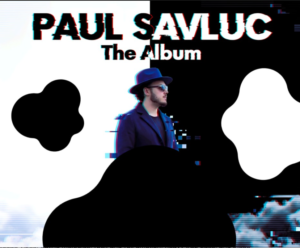
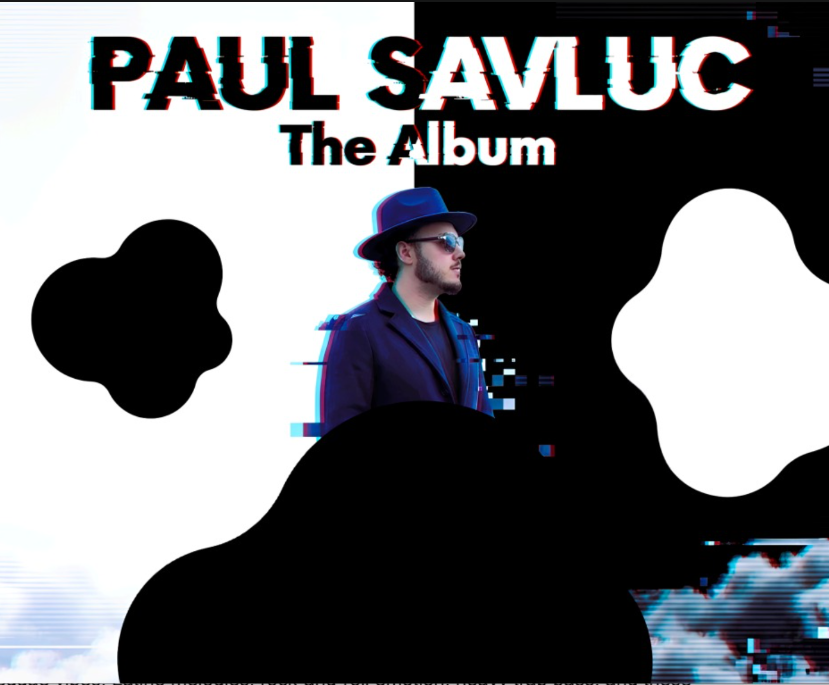
Against that backdrop, Paul Savluc delivers something that resists those expectations entirely. Over several days on SoundCloud, the independent artist released a sprawling 27-track project that feels less like a standard album rollout and more like an evolving emotional broadcast.
The full project is available on the artist’s SoundCloud page here:
www.soundcloud.com/tonyrapper
Inside Paul Savluc: The Album
Spanning 27 tracks, the project moves fluidly across trap, deep house, dubstep-influenced production, reggae textures, rock energy, Latino-inspired melodies, emotional rap, and cinematic sound design.
Rather than following a traditional album structure, the release feels like a continuous stream of ideas—shifting moods, sonic environments, and emotional states layered into one expansive experience.
Across underground SoundCloud spaces, late-night playlists, and independent rap communities, the project has begun circulating as a kind of digital cult release: unpredictable, genreless, and emotionally driven.
A Fragmented Emotional Landscape
Instead of a conventional narrative, the album constructs a shifting emotional environment shaped by themes of:
- collapse and rebuilding
- nostalgia and memory
- isolation and cosmic distance
- technology and transformation
- nightlife and surreal emotional drift
The result is not a single storyline but a series of interconnected psychological snapshots—each track acting like a different scene from a larger, unstable world.
Genre Fluidity as the Core Identity
One of the defining characteristics of the album is its refusal to stay in one sonic lane for long.
Trap and Emotional Rap Foundations
Many tracks are grounded in modern underground trap aesthetics:
- atmospheric synth layers
- minimalist percussion
- emotional melodic hooks
- cinematic bass-driven structure
Songs like “Boom Boom Boom,” “Bad Lil Vibe,” and “Never Stressed (Doot Doot Doot Song)” carry the energy of internet-native rap designed for playlists, edits, and short-form video culture.
Atmospheric Deep House and Electronic Influence
Other tracks shift into expansive electronic territory, leaning toward deep house and ambient EDM textures.
Songs such as “Glowing,” “Daylight/Nighttime,” and “Intergalactic Love” emphasize:
- floating synth atmospheres
- slow emotional progression
- wide, spatial mixing
- dreamlike pacing
These moments give the project a sense of scale and openness that contrasts sharply with its heavier sections.
Rock, Reggae, and Global Fusion Elements
The album also incorporates softer and more global influences:
- “Hoy Estás Conmigo (Today You Are With Me)” introduces bilingual emotional expression
- “Be Blessed” and “Peach Pie” lean toward warm, relaxed rhythmic structures
- “Love Can Outlive the Flame” and “Malibu Road Fire” draw on rock-inspired emotional intensity and dramatic tension
These shifts make the album feel less like a single genre project and more like a collage of global sound identities.
Key Thematic Directions
Despite its stylistic diversity, several recurring ideas run throughout the project.
Rebuilding, Systems, and Reinvention
Tracks like:
- “Rewiring it All”
- “Build Something Real”
- “Rip the Cord (Modding my Car to Turn into a Rocket)”
use mechanical and technological imagery as metaphors for emotional reconstruction.
Systems, wiring, and machines become symbolic language for personal transformation and survival.
Cosmic Distance and Isolation
A strong space-themed motif runs through tracks such as:
- “Galaxy”
- “Intergalactic Love”
- “The Stars Don’t Answer Back This Time”
Here, emotional distance is expanded into a cosmic scale. Loneliness becomes astronomical—translated into silence, stars, and unreachable space rather than grounded human settings.
California Imagery and Emotional Decay
The “Malibu Road” tracks introduce a different tone altogether. Songs like “Malibu Road” and “Malibu Road Fire” combine:
- nightlife imagery
- fractured memory sequences
- surreal emotional aftermath
- symbolic destruction
Rather than telling linear stories, these tracks function as atmospheric fragments of place and feeling.
Music Designed for Visual Culture
A striking feature of the album is how strongly it aligns with visual internet aesthetics.
Many song titles already suggest imagery before the music even begins:
- “Flights At Dawn”
- “When the Lights Go Quiet”
- “The Stars Don’t Answer Back This Time”
- “Rip the Cord”
This makes the project naturally adaptable to:
- short-form video edits
- cinematic reels and montages
- cyberpunk or anime visuals
- AI-generated visual storytelling
- emotionally driven internet compilations
The album doesn’t just function as audio—it behaves like source material for visual interpretation.
A Rapid and Unconventional Release Strategy
Another defining feature is the speed of release. Many tracks appeared within short time windows rather than being spaced across traditional rollout cycles.
This creates the impression of:
- real-time emotional documentation
- spontaneous creative output
- an evolving rather than finalized project
The lack of conventional pacing contributes to the album’s unpredictability and rawness. It feels less curated and more lived-in.
Final Assessment
Paul Savluc: The Album stands out for its refusal to conform to algorithm-friendly expectations. Instead of narrowing its identity, it expands across multiple genres, moods, and emotional registers.
It exists in contradictions:
- cinematic yet intimate
- chaotic yet cohesive
- futuristic yet nostalgic
- electronic yet deeply emotional
- fragmented yet unified in tone
Across 27 tracks, it constructs a wide emotional ecosystem built from trap, deep house, reggae influence, rock intensity, and cinematic rap textures.
Rather than fitting into the current streaming era, it challenges it—offering something closer to an evolving sound world than a conventional album.