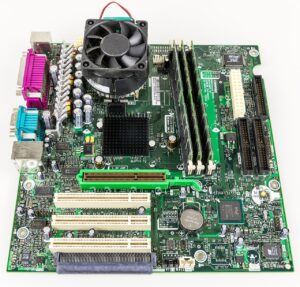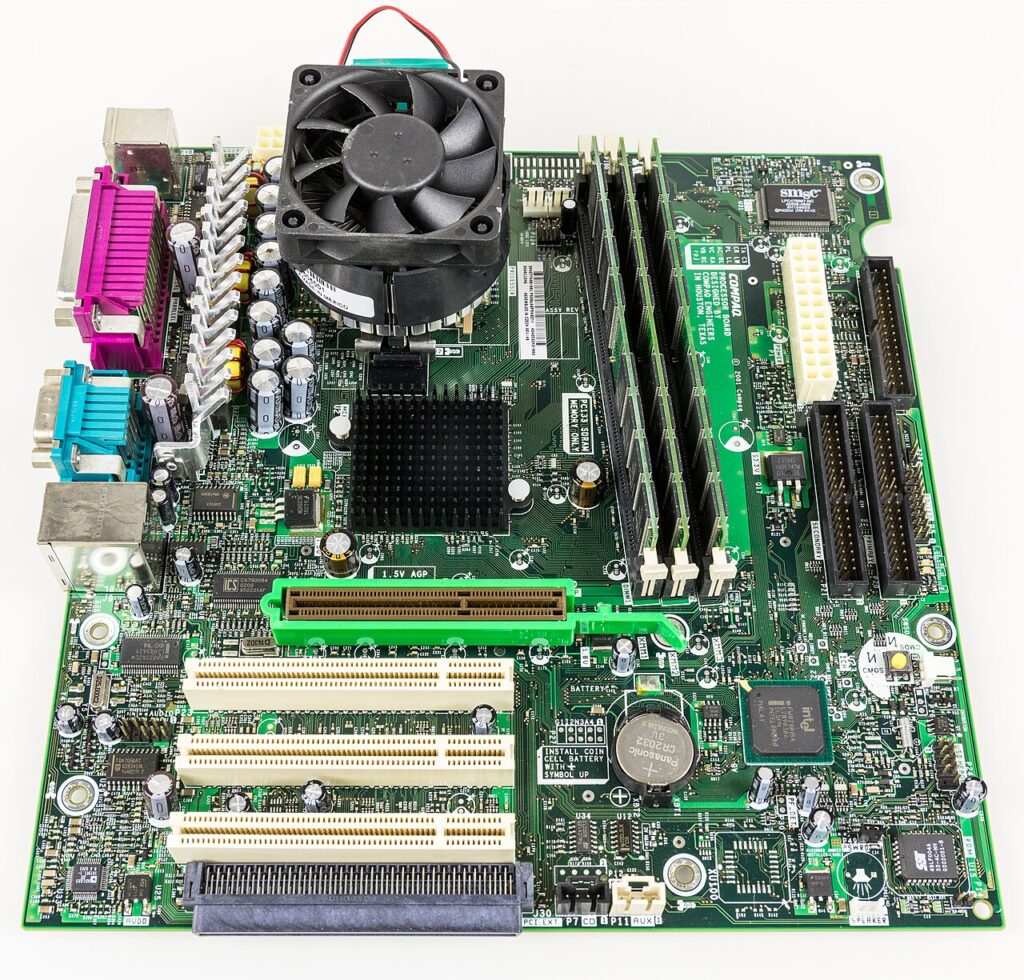
Modern computing systems depend on several interconnected hardware components working together to deliver reliable performance. From desktop computers and industrial machines to servers and specialized electronic equipment, every system needs a central platform that allows its components to communicate efficiently. One of the most important elements in this process is the processor board.
It provides the physical and electrical foundation for processing operations, component integration, and overall system functionality.
Understanding how these boards work, what features they offer, and why they matter can help businesses, IT professionals, and technology enthusiasts make better hardware decisions. Selecting the right board is not simply about choosing a component that fits a processor. It involves considering compatibility, performance, reliability, expandability, and long-term maintenance requirements.
Understanding the Role of Processor Boards
A processor board is an electronic circuit board designed to support a central processing unit and connect it with other essential hardware components. It provides the connections and supporting circuitry required for communication between the processor, memory, storage devices, and input/output interfaces.
Depending on the system’s design, these boards may be used in desktop computers, industrial control systems, embedded devices, communication equipment, and enterprise computing environments.
Their primary responsibility is to create an organized hardware platform where different components can exchange information. Without an appropriate board, even a powerful processor cannot operate effectively within a complete computing system.
How Processor Boards Support Computing Performance
The performance of a computer depends on more than the processor’s specifications. The supporting hardware infrastructure also plays an important role in determining how efficiently the system operates.
A well-designed board helps maintain stable communication between the processor and connected components. It supports data transfer, manages electrical connections, and provides the necessary interfaces for different hardware devices.
Several factors influence this performance:
Memory compatibility: The board must support the appropriate memory type, capacity, and speed.
Data communication: Efficient connections allow information to move between components with minimal delays.
Power delivery: Stable voltage regulation helps the processor operate within its required electrical limits.
Thermal management: Appropriate layouts and cooling support help control operating temperatures.
Expansion capabilities: Additional interfaces make it possible to connect new hardware when requirements change.
These features contribute to a balanced computing environment where individual components can perform their intended functions without unnecessary limitations.
Important Features to Consider When Choosing a Board
Selecting suitable hardware requires careful attention to technical specifications. Different computing environments have different requirements, so a board designed for a standard office computer may not be appropriate for an industrial application.
Here are some important features worth evaluating.
1. Processor Compatibility
Processor compatibility should be one of the first considerations. Every board supports particular processor families, socket types, and generations. Installing an incompatible processor can prevent the system from starting or cause operational problems.
Before purchasing, users should verify the processor socket, supported models, chipset requirements, and BIOS compatibility. These details help ensure that the selected components work together correctly.
2. Memory Support
Memory plays an important role in multitasking and overall system responsiveness. A board should provide sufficient memory slots and support the required memory generation.
For business computers and servers, memory capacity may be particularly important because applications often process large datasets or handle multiple operations simultaneously.
Users should also consider maximum supported memory, memory speed, and whether the system requires standard or specialized memory modules.
3. Expansion Options
Technology requirements can change over time. A computing system that initially needs only basic connectivity may eventually require additional storage, networking, or specialized processing equipment.
Expansion slots and connection interfaces provide flexibility for future upgrades. PCIe slots, SATA connectors, M.2 interfaces, and USB connections are examples of features that can improve hardware flexibility.
A board with suitable expansion options can help organizations extend the useful life of their existing equipment.
4. Power Management
Reliable power delivery is essential for stable computing operations. The processor requires consistent electrical power to perform calculations and execute instructions.
Voltage regulation components help provide the appropriate power levels. Poor power delivery can contribute to instability, unexpected shutdowns, and reduced hardware lifespan.
Businesses should prioritize boards with suitable power designs, particularly when building systems intended for continuous operation.
The Importance of Reliability in Business Computing
For modern organizations, computer reliability directly affects productivity. Offices, manufacturing facilities, healthcare organizations, and data centers depend on computing equipment to manage daily operations.
Hardware failures can interrupt important processes, delay projects, and increase maintenance expenses. This makes component quality an important consideration when purchasing computing equipment.
Reliable boards help reduce the risk of hardware-related interruptions when they are properly selected, installed, and maintained.
Industrial environments may require additional protection against temperature variations, dust, vibration, and electrical interference. In these situations, specialized industrial boards can provide features designed for demanding operating conditions.
Choosing suitable hardware from the beginning can reduce unnecessary replacements and support more predictable maintenance schedules.
Processor Boards in Industrial and Enterprise Applications
Computing hardware serves many purposes beyond personal computers. Industrial facilities use specialized computing systems to monitor equipment, control production processes, and collect operational information.
In these environments, boards may support programmable controllers, embedded computers, automation equipment, and monitoring systems.
Enterprise environments also depend on reliable hardware platforms. Servers require compatible components capable of supporting demanding workloads, multiple storage devices, and network connections.
For these applications, hardware selection must consider processing requirements, memory capacity, connectivity, operating temperatures, and expected workloads.
The correct combination of components helps organizations create computing systems that meet their operational needs while maintaining consistent performance.
Why Choose ITNetworksTrade for Computing Hardware?
ITNetworksTrade provides a platform for businesses and technology buyers looking for computing hardware and IT equipment. When sourcing essential components, customers should prioritize product compatibility, dependable quality, and access to suitable technical information.
A reliable supplier can help organizations identify hardware that matches their system requirements and operational goals. Whether upgrading existing infrastructure or planning new computing installations, choosing appropriate components from a trusted technology provider can support long-term equipment reliability and efficient business operations.
Conclusion
Reliable computing systems require more than powerful processors and advanced software. Every component must work together through a stable and compatible hardware infrastructure. From memory support and power management to expansion capabilities and thermal considerations, the quality of the underlying hardware platform influences overall system performance.
Understanding these requirements helps individuals and organizations make informed purchasing decisions. By prioritizing compatibility, reliability, maintenance, and future upgrade possibilities, businesses can develop computing environments that remain efficient and dependable as their technology needs evolve. Choosing suitable hardware and working with a reliable supplier are important steps toward building computing systems that deliver consistent results over time.