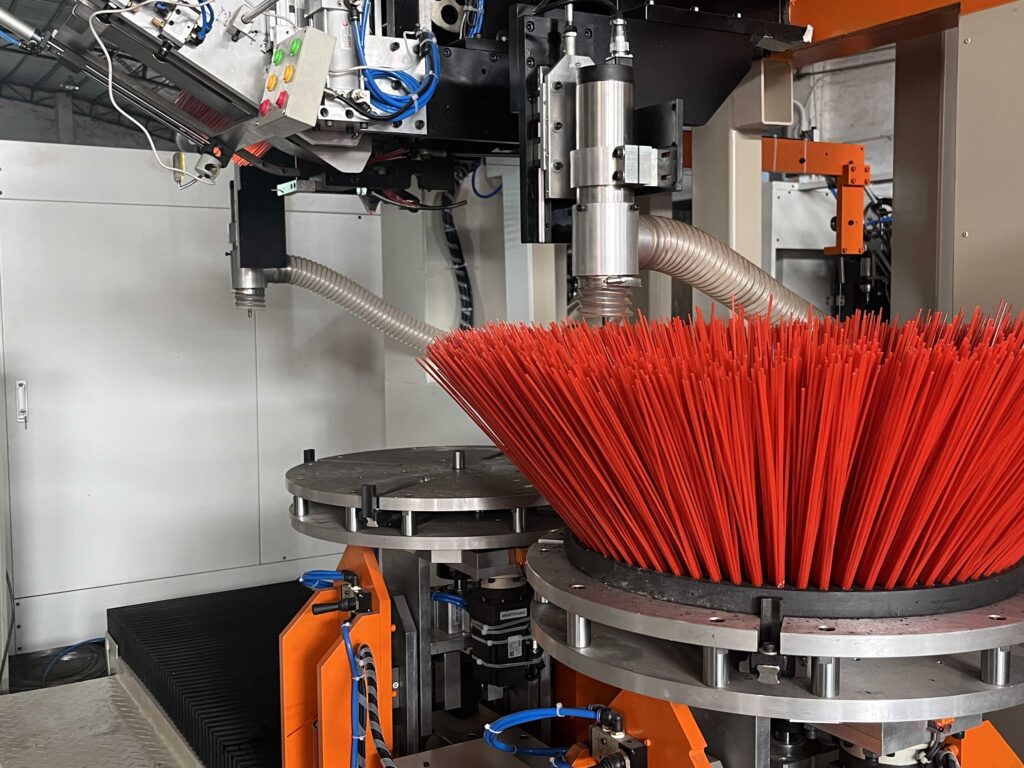
Broom manufacturing relies on a combination of quality raw materials and efficient production methods to create durable and reliable cleaning products. The choice of materials directly affects the strength, appearance, and lifespan of the finished broom. Understanding the different raw materials used in the manufacturing process helps businesses maintain consistent product quality while optimizing production costs.
A dependable Broom Making Machine works most effectively when paired with suitable raw materials that match the machine’s specifications. Selecting high-quality inputs not only improves production efficiency but also reduces waste and ensures the finished products meet customer expectations.
Natural Broom Grass
Natural broom grass is one of the most widely used materials in traditional broom manufacturing. It is valued for its flexibility, durability, and ability to collect dust effectively. The quality of the grass influences both the cleaning performance and the lifespan of the finished broom.
Proper drying and storage of natural fibers are essential to prevent moisture damage and maintain consistent quality during production.
Plastic Fibers
Plastic fibers are commonly used for household and commercial cleaning brooms. These synthetic materials are available in various thicknesses, colors, and stiffness levels to suit different cleaning applications.
Advantages of plastic fibers include:
- High durability
- Moisture resistance
- Easy maintenance
- Consistent quality
- Long service life
Plastic fibers are often preferred for environments where frequent cleaning and exposure to water are common.
Wooden Handles
Wooden handles remain a popular choice due to their strength, comfort, and natural appearance. Manufacturers typically use hardwoods that provide durability while remaining lightweight enough for convenient handling.
Proper finishing and polishing improve the handle’s appearance and help protect it from moisture and wear.
Metal or Plastic Handles
In addition to wood, many modern brooms use metal or plastic handles. These materials offer excellent durability and can reduce overall product weight depending on the design.
Manufacturers choose handle materials based on the intended use, production costs, and customer preferences.
Binding Wire and Fasteners
Binding wire and fastening components secure broom fibers firmly to the handle or base. High-quality fastening materials help maintain the broom’s structure during regular use.
Reliable binding reduces fiber shedding and extends the product’s lifespan.
Adhesives
Some broom manufacturing processes use industrial adhesives to strengthen the connection between components. Quality adhesives improve durability while providing additional stability during long-term use.
The type of adhesive selected depends on the materials being joined and the overall product design.
Plastic Components
Many modern brooms include molded plastic parts that improve appearance and functionality. Common plastic components include:
- Brush heads
- Connector sleeves
- End caps
- Mounting brackets
- Protective covers
These parts contribute to product durability while simplifying assembly.
Packaging Materials
Proper packaging protects finished brooms during storage and transportation. Packaging materials may include:
- Corrugated boxes
- Plastic wrapping
- Protective straps
- Product labels
- Shipping cartons
Good packaging helps preserve product quality until it reaches the customer.
Quality Control of Raw Materials
Using high-quality raw materials is essential for producing reliable brooms. Manufacturers should inspect incoming materials for consistency, durability, moisture content, and dimensional accuracy before beginning production.
Careful quality control reduces production defects and helps maintain consistent manufacturing standards.
Conclusion
The quality of raw materials plays a significant role in successful broom manufacturing. Natural fibers, plastic bristles, durable handles, reliable fasteners, adhesives, and protective packaging all contribute to the performance and longevity of the finished product. By selecting suitable materials and maintaining high quality standards throughout the production process, manufacturers can improve efficiency, reduce waste, and consistently produce brooms that meet customer expectations.