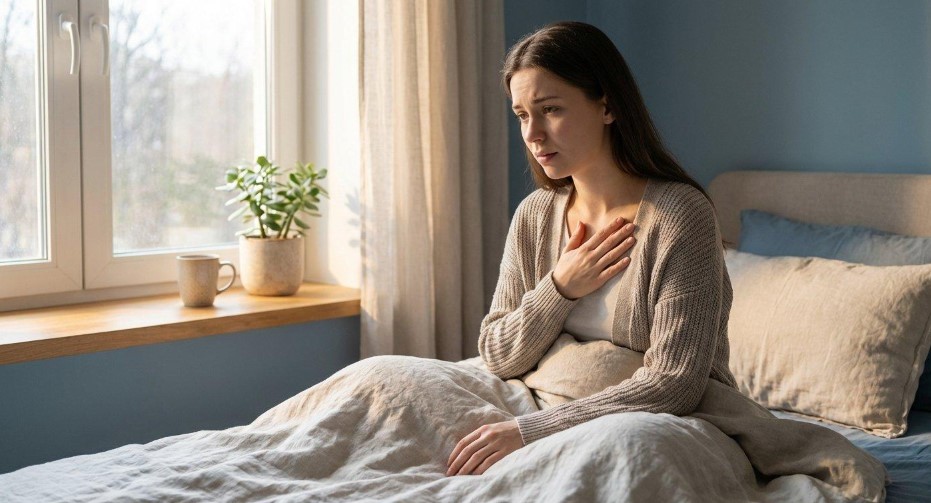
Anxiety is a natural response to uncertainty, pressure, or perceived danger. It helps the body prepare to respond to challenging situations. However, when anxiety becomes persistent, excessive, or difficult to control, it may develop into an anxiety disorder that affects everyday life.
Anxiety disorders involve more than worried thoughts or feelings of nervousness. They can produce physical symptoms that affect sleep, digestion, breathing, muscle function, and cardiovascular activity. For some people, these sensations become so uncomfortable that they begin to interfere with work, relationships, and daily responsibilities.
Understanding the relationship between anxiety disorders and physical symptoms can help people recognise when they may need professional support. Exploring appropriate anxiety disorder treatment Cardiff services can also help individuals understand their symptoms, develop effective coping strategies, and improve their overall quality of life.
Why Anxiety Causes Physical Symptoms
The brain and body work together to respond to perceived threats. When someone experiences anxiety, the nervous system activates the body’s stress response, preparing it to react quickly to potential danger.
The Fight-or-Flight Response
During periods of anxiety, the body releases stress hormones, including adrenaline and cortisol. These chemicals influence several bodily functions, including heart rate, breathing, alertness, and muscle tension.
This response can be useful when facing an immediate challenge. However, when the body repeatedly enters a heightened state of alertness, physical discomfort may become more frequent.
Someone experiencing persistent anxiety might notice a racing heart before a meeting, stomach discomfort during stressful situations, or tense shoulders after a demanding day. These reactions are real physical experiences, even when psychological stress contributes to them.
How Anxiety Can Create a Cycle of Symptoms
Physical symptoms can sometimes increase anxiety rather than simply result from it. For example, a person who notices a rapid heartbeat may interpret the sensation as a sign of serious danger. This interpretation can increase fear, activate the stress response further, and intensify the heartbeat.
Over time, the person may become increasingly alert to normal bodily sensations. This heightened monitoring can make everyday changes feel threatening and reinforce the anxiety cycle.
Learning to recognise this pattern can help individuals respond more calmly to familiar anxiety symptoms while remaining attentive to signs that require medical assessment.
Common Physical Symptoms of Anxiety Disorders
Anxiety affects people differently. Some experience several symptoms at once, while others notice only a few recurring physical changes.
Heart Palpitations and Breathing Difficulties
A racing heartbeat, palpitations, chest tightness, and shortness of breath can occur during anxiety. These symptoms may be particularly noticeable during panic attacks, when fear rises rapidly and the body responds intensely.
Some individuals also experience dizziness, trembling, sweating, or tingling sensations. These symptoms can feel frightening, especially when they occur unexpectedly.
Although anxiety can cause these experiences, it is important not to assume that every episode of chest discomfort or breathing difficulty is psychological. New, severe, or unexplained symptoms require appropriate medical assessment. Chest pain, severe breathlessness, or fainting may require emergency care.
Digestive Problems and Stomach Discomfort
The digestive system is closely connected to the nervous system. Anxiety can influence gut movement and sensitivity, contributing to nausea, abdominal discomfort, bloating, diarrhoea, or changes in appetite.
For some people, symptoms become more noticeable before social events, examinations, work presentations, or other stressful situations. Persistent worry can also affect eating habits and contribute to irregular meals.
Managing anxiety may help reduce stress-related digestive symptoms, but ongoing or severe gastrointestinal problems should be assessed by a healthcare professional to identify other possible causes.
Muscle Tension, Headaches, and Fatigue
When the body remains alert to possible threats, muscles may stay tense for prolonged periods. This can contribute to neck pain, shoulder stiffness, jaw clenching, and tension headaches.
Anxiety can also interfere with sleep. Someone may struggle to fall asleep because of racing thoughts or wake frequently during the night. Poor sleep can then increase irritability, reduce concentration, and worsen feelings of anxiety the following day.
This combination of muscle tension, disrupted rest, and persistent alertness can leave a person feeling exhausted even when they have not engaged in substantial physical activity.
How Anxiety Disorders Affect Everyday Life
Physical symptoms can influence more than immediate comfort. When they occur frequently, people may begin avoiding situations they associate with distress.
For example, someone who experiences panic symptoms on public transport might stop travelling independently. Another person may avoid exercise because they worry that an increased heart rate signals danger. Others may withdraw from social activities because they fear becoming visibly anxious.
These avoidance behaviours can provide short-term relief but may reinforce anxiety over time. They can also reduce independence, limit opportunities, and affect personal relationships.
Anxiety disorders may occur alongside depression, sleep difficulties, or other mental health concerns. A comprehensive assessment can help identify these overlapping challenges and guide suitable treatment.
When to Seek Anxiety Disorder Treatment in Cardiff
Occasional anxiety is a normal part of life, but persistent symptoms deserve attention when they cause significant distress or interfere with daily functioning.
People considering anxiety disorder treatment in Cardiff may benefit from speaking with a GP or qualified mental health professional. An assessment can explore the frequency of symptoms, common triggers, personal circumstances, and any physical health concerns that need investigation.
Depending on individual needs, treatment may include psychological therapy, medication prescribed by an appropriate clinician, or a combination of approaches. Cognitive behavioural therapy (CBT) is an evidence-based treatment for several anxiety disorders. It helps people identify unhelpful thinking patterns, understand the connection between thoughts and physical sensations, and develop healthier responses to feared situations.
For some individuals, exposure-based approaches may also be helpful when avoidance maintains anxiety. Treatment should be tailored to the person’s symptoms, preferences, and clinical needs rather than following a single approach for everyone.
Professional support can also help distinguish anxiety-related symptoms from medical conditions that may require separate treatment.
Practical Ways to Manage Physical Symptoms of Anxiety
Professional care can provide essential guidance, while everyday strategies may help individuals manage symptoms between appointments.
Practise Gentle Breathing and Relaxation
Slow, comfortable breathing can help some people manage anxiety-related tension. Try breathing gently and regularly without forcing deep breaths or holding the breath unnecessarily.
Progressive muscle relaxation, which involves gradually tensing and releasing different muscle groups, may also help reduce physical tension. Practising these techniques regularly can make them easier to use during stressful situations.
Improve Sleep and Daily Routines
Consistent sleep and wake times, regular meals, and appropriate physical activity can support emotional wellbeing. Reducing excessive caffeine may also help people who experience palpitations, restlessness, or sleep difficulties.
These habits do not replace treatment for an anxiety disorder, but they can provide a useful foundation for recovery.
Challenge Unhelpful Thoughts
When physical symptoms occur, consider whether anxiety may be influencing how the sensation is interpreted. Rather than immediately assuming the worst, pause and examine the situation calmly.
This does not mean ignoring genuine health concerns. It means learning to respond proportionately while seeking medical advice when symptoms are new, severe, persistent, or unexplained.
A therapist can help develop these skills and address patterns of catastrophic thinking or repeated reassurance-seeking when they contribute to ongoing anxiety.
Building Long-Term Mental and Physical Wellbeing
Recovery from an anxiety disorder is not always immediate, and progress can vary from person to person. Some people notice improvements relatively quickly, while others benefit from longer-term therapy and continued support.
Recognising triggers, maintaining healthy routines, developing emotional coping skills, and attending recommended appointments can help support lasting progress. It is equally important to approach setbacks with patience rather than interpreting them as failure.
The connection between anxiety and physical symptoms highlights why mental health deserves the same thoughtful attention as physical wellbeing. Symptoms such as digestive discomfort, muscle tension, palpitations, and fatigue can be distressing, but effective support is available.
For those exploring anxiety disorder treatment in Cardiff, seeking an appropriate assessment is a constructive first step. With evidence-based care and practical coping strategies, individuals can learn to manage anxiety more effectively, reduce its impact on everyday life, and work towards better overall wellbeing.