Retinal vein occlusion is a serious eye condition that occurs when a vein responsible for carrying blood away from the retina becomes blocked. This blockage can interfere with normal blood circulation, cause fluid to leak into the retina, and affect central or peripheral vision. For people diagnosed with this condition, understanding treatment options, recovery expectations, and ways to support long-term eye health is essential.
Retinal Vein Occlusion Recovery depends on several factors, including the location and severity of the blockage, the presence of retinal swelling, overall vascular health, and how promptly medical treatment begins. Although eye health supplements may help maintain normal nutritional status, they cannot remove a retinal vein blockage or replace established ophthalmic treatments.
Many people explore vitamins, minerals, and natural approaches to support their vision after diagnosis. However, it is important to distinguish between nutrients that support general eye health and treatments that have been proven to manage complications of retinal vein occlusion.
This article explains how recovery works, what role supplements may play, which lifestyle habits matter, and why professional eye care remains the foundation of treatment.
What Is Retinal Vein Occlusion?
Retinal vein occlusion (RVO) occurs when one of the veins carrying blood away from the retina becomes obstructed. The retina is the light-sensitive tissue at the back of the eye that converts light into signals interpreted by the brain.
When blood cannot drain properly, pressure can increase within the affected vessels. This may cause bleeding, fluid leakage, swelling, and damage to retinal tissue. Vision changes depend on which vein is affected and whether the macula, the central area responsible for detailed vision, becomes involved.
There are two main types of retinal vein occlusion:
- Central retinal vein occlusion (CRVO): A blockage affects the main retinal vein and can involve a large portion of the retina.
- Branch retinal vein occlusion (BRVO): A blockage affects a smaller branch of the retinal vein and usually involves a more limited area.
Common symptoms include blurred vision, sudden painless vision loss, distorted central vision, and blind spots. Some people notice only mild changes, while others experience significant visual impairment.
Retinal vein occlusion is associated with conditions such as high blood pressure, diabetes, elevated cholesterol, glaucoma, and increasing age. These risk factors make cardiovascular health an important part of managing the condition.
How Does Retinal Vein Occlusion Recovery Work?
Recovery varies from person to person. Some individuals experience improvement in vision as retinal swelling decreases, while others may have lasting visual changes due to damage to retinal cells.
One of the most important factors affecting recovery is macular edema, a buildup of fluid in the macula. This swelling can interfere with central vision and may require repeated treatment.
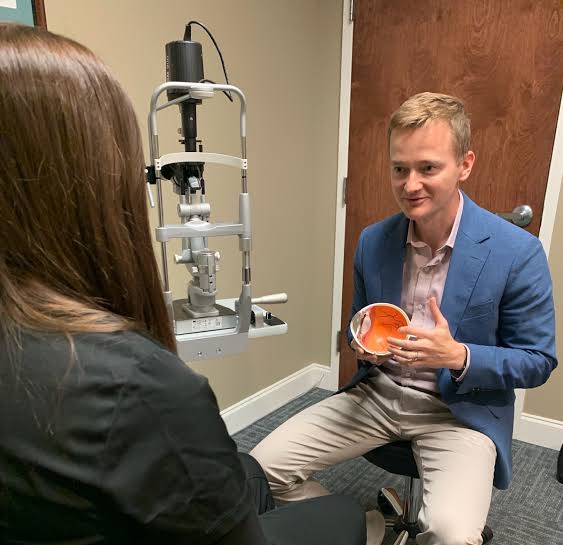
Ophthalmologists commonly use optical coherence tomography (OCT) to assess retinal swelling and monitor changes over time. They may also perform a dilated eye examination and other imaging tests to evaluate blood flow and retinal damage.
Treatment depends on the type and severity of the blockage. Anti-VEGF injections are commonly used to reduce abnormal blood vessel leakage and macular edema. In selected cases, corticosteroid injections or laser treatment may also be considered.
Early diagnosis and consistent follow-up care can help protect remaining vision and improve the chances of a favorable outcome. Supplements should never delay urgent eye assessment or interfere with prescribed treatment.
Do Eye Health Supplements Make a Difference?
Eye health supplements can play a supportive role in maintaining normal vision and correcting certain nutritional deficiencies. However, there is currently no strong clinical evidence that dietary supplements can reopen a blocked retinal vein, reverse retinal damage, or reliably restore vision lost because of retinal vein occlusion.
The benefits of supplements depend on an individual’s nutritional status, overall health, and existing medical conditions. For example, someone with a documented vitamin deficiency may benefit from appropriate supplementation, but someone who already receives sufficient nutrients may not gain additional benefits from taking high doses.
A balanced diet containing vegetables, fruits, whole grains, healthy fats, and appropriate protein can help support general health. Supplements may be useful when dietary intake is inadequate or a healthcare professional identifies a specific need.
Patients should discuss any supplement with their ophthalmologist or pharmacist, particularly if they take prescription medications or have cardiovascular conditions. Some vitamins, minerals, and herbal products can interact with medications or increase bleeding risks.
Vitamins and Nutrients That Support General Eye Health
Several nutrients contribute to normal eye function. Nevertheless, their general benefits should not be confused with proven treatments for retinal vein occlusion.
1. Vitamin C
Vitamin C is an antioxidant that helps protect cells from oxidative damage. It also contributes to collagen formation, which is important for the normal structure of blood vessels and other tissues.
Fruits such as oranges, guavas, strawberries, and kiwi, along with vegetables such as bell peppers and broccoli, provide vitamin C.
Although adequate vitamin C intake supports general health, taking extra vitamin C has not been established as a treatment for retinal vein occlusion. High-dose supplements can also cause digestive discomfort and may be unsuitable for certain individuals.
2. Vitamin E
Vitamin E helps protect cell membranes from oxidative damage. It is found in foods such as almonds, sunflower seeds, vegetable oils, and other nuts and seeds.
Getting enough vitamin E through food supports normal nutritional health. However, high-dose vitamin E supplements are not proven to improve retinal vein occlusion recovery.
Excessive supplementation may increase bleeding risk, especially in people taking anticoagulants or antiplatelet medicines. Medical advice is important before starting these products.
3. Omega-3 Fatty Acids
Omega-3 fatty acids, including EPA and DHA, are involved in several normal biological functions. DHA is an important structural component of the retina.
Fatty fish such as salmon, sardines, and mackerel are dietary sources of omega-3 fatty acids. Plant sources include flaxseeds, chia seeds, and walnuts, although their omega-3 composition differs from that of fish.
Omega-3s can be part of a healthy diet, but they have not been proven to reopen retinal veins or reverse the effects of an occlusion. People considering fish oil supplements should consult a healthcare professional, especially if they use blood-thinning medication.
4. Zinc
Zinc supports immune function, wound healing, and normal cellular processes. It also plays a role in the function of the retina and other eye tissues.
Foods containing zinc include beans, nuts, whole grains, dairy products, meat, and seafood.
Correcting a zinc deficiency can support normal health, but there is no established evidence that taking extra zinc improves retinal vein occlusion outcomes. Excessive zinc intake can cause nausea and interfere with copper absorption.
5. Lutein and Zeaxanthin
Lutein and zeaxanthin are carotenoids that accumulate in the macula and help filter certain wavelengths of light. They are found in leafy green vegetables, peas, corn, and egg yolks.
These nutrients are often included in eye health supplements. However, evidence relating to other eye conditions cannot automatically be applied to retinal vein occlusion.
People with retinal vein occlusion should not assume that lutein or zeaxanthin supplements will reduce retinal swelling or restore lost vision.
Herbal Treatment for Retinal Vein Occlusion: What Should You Know?
The phrase Herbal Treatment for Retinal Vein Occlusion is frequently relevant to people searching for natural ways to support their vision. Herbal products may contain plant-derived antioxidants or other compounds, but their safety and effectiveness vary considerably.
At present, herbal treatments have not been established as effective replacements for anti-VEGF injections, corticosteroid treatments, laser procedures, or specialist monitoring when these are medically indicated.
Some herbal products can also interact with prescription medicines. For example, ginkgo and concentrated garlic supplements may affect bleeding risk, while other products can influence blood pressure or blood glucose levels.
Before taking an herbal preparation, patients should:
- Check the complete ingredient list and supplement dosage.
- Discuss potential interactions with a doctor or pharmacist.
- Avoid products claiming to dissolve retinal clots or guarantee vision restoration.
- Never discontinue prescribed eye treatments in favor of herbal alternatives.
Natural products are not automatically safe, and their quality may vary between manufacturers. Professional guidance is particularly important when managing a condition that can threaten sight.
Natural Remedies For Retinal Vein Occlusion: Lifestyle Measures That Matter
Although Natural Remedies For Retinal Vein Occlusion may sound appealing, lifestyle changes should be understood as supportive measures rather than treatments that reverse the blockage.
The most useful approach is to protect overall vascular health and manage conditions associated with retinal vein occlusion.
Manage Blood Pressure
High blood pressure can damage blood vessels and is an important risk factor for retinal vein occlusion. Regular blood pressure checks and adherence to prescribed medication can help reduce cardiovascular risks.
Patients should work with their healthcare professionals to establish an appropriate blood pressure target.
Control Blood Sugar
Diabetes can damage small blood vessels and contribute to several retinal disorders. Maintaining blood glucose within an individualized target range can help protect long-term vascular health.
People with diabetes should attend recommended retinal examinations even when their vision seems normal.
Maintain Healthy Cholesterol Levels
High cholesterol and other cardiovascular risk factors deserve attention after retinal vein occlusion. A healthcare professional may recommend dietary changes, physical activity, or medication depending on individual risk.
Cholesterol-lowering medication should be used according to medical advice rather than replaced with unproven natural products.
Follow a Balanced Diet
A nutritious eating pattern can provide the vitamins, minerals, and antioxidants required for normal body function.
Consider including:
- Leafy green vegetables and other colorful produce.
- Whole grains and legumes.
- Nuts and seeds in appropriate portions.
- Fish and other suitable protein sources.
- Healthy fats from foods such as olive oil.
A balanced diet supports general vascular health but cannot guarantee recovery of damaged retinal tissue.
Avoid Smoking
Smoking damages blood vessels and increases cardiovascular risk. Quitting smoking is an important step toward improving overall vascular health.
People who need help stopping can discuss evidence-based cessation support with a healthcare professional.
Exercise Safely
Regular physical activity supports blood pressure management, blood glucose control, and cardiovascular fitness. Walking, swimming, or other appropriate activities may be beneficial.
Anyone with significant visual impairment or other medical limitations should ask their healthcare professional which activities are suitable.
Natural Herbs Clinic: Understanding the Role of Professional Guidance
People researching Natural Herbs Clinic services may be interested in herbal products, nutritional support, and natural approaches to wellness. When considering any clinic or supplement provider, it is important to assess whether its recommendations are supported by reliable evidence.
For retinal vein occlusion, a qualified ophthalmologist or retinal specialist should remain responsible for diagnosing the condition, monitoring complications, and recommending appropriate treatment.
A complementary health practitioner may discuss general dietary habits or nutritional products, but should not claim that herbal preparations can reliably reverse retinal vein occlusion without credible clinical evidence.
Before purchasing any eye health product, ask whether its ingredients have been studied specifically in people with retinal vein occlusion, whether the proposed benefits have been demonstrated in clinical trials, and whether the product could interact with existing medication.
Most importantly, do not delay specialist treatment while trying alternative approaches.
How Long Does Retinal Vein Occlusion Recovery Take?
There is no single recovery timeline for everyone. Some patients notice visual improvement over several months as retinal swelling decreases following treatment. Others experience persistent visual impairment or require long-term management.
The outlook depends on factors such as:
- Whether the blockage affects the central retinal vein or a smaller branch.
- How much retinal tissue has been deprived of adequate blood flow.
- Whether macular edema is present.
- How severe the initial vision loss is.
- Whether complications such as abnormal blood vessel growth develop.
- How effectively underlying health conditions are managed.
Anti-VEGF treatment may require repeated injections because swelling can return when the effects of the medication wear off. Regular follow-up appointments are therefore essential, even when vision improves.
Patients should not judge recovery solely by how clearly they can see on a particular day. Retinal imaging and professional examinations help determine whether the condition is stable and whether further treatment is needed.
When Should You Seek Medical Attention?
Sudden blurred vision, new floaters, or unexplained vision loss in one eye requires urgent medical assessment. Do not wait to see whether supplements or home remedies improve the symptoms.
Seek immediate eye care if you experience sudden vision changes. Eye pain, increasing redness, or a sudden deterioration in vision after treatment also warrants urgent assessment.
Retinal vein occlusion can lead to complications, including macular edema, abnormal blood vessel growth, bleeding inside the eye, and elevated eye pressure. Early assessment and appropriate follow-up can help identify these problems.
Conclusion: Can Supplements Improve Retinal Vein Occlusion Recovery?
Retinal Vein Occlusion Recovery requires an individualized approach focused on protecting vision, treating complications, and managing underlying vascular risk factors. Vitamins, minerals, and herbal products may support general nutritional health, particularly when a deficiency is present, but they have not been proven to reverse a blocked retinal vein or reliably restore vision lost to the condition.
People exploring Herbal Treatment for Retinal Vein Occlusion or Natural Remedies For Retinal Vein Occlusion should prioritize evidence-based eye care, a balanced diet, blood pressure management, diabetes control, and regular ophthalmic examinations. Products promoted by a Natural Herbs Clinic or another supplement provider should be evaluated carefully for evidence, safety, and possible medication interactions.
The most effective strategy is to combine appropriate medical treatment with healthy daily habits and professional monitoring. Supplements should remain optional supportive measures when appropriate, not substitutes for treatment that protects sight.
Medical disclaimer: This article is for educational purposes only and does not replace professional medical advice, diagnosis, or treatment. Always consult a qualified healthcare professional before starting supplements or herbal products, and seek urgent medical attention for sudden vision changes.